

Summary: Holiday travel puts luggage in hotel rooms, rentals, and guest beds where bed bugs can hitch a ride home. This guide covers a quick hotel room check, luggage habits while away, and how to unpack after the trip so bed bugs do not follow you into your Phoenix home.
Between Thanksgiving and New Year’s, a lot of Valley households spend at least a few nights away from home. Hotel rooms, vacation rentals, a cousin’s guest bed, and a crowded airport all come with the same quiet risk: a few bed bugs tucked into a suitcase seam can ride home with you and start an infestation in your own bedroom.
The good news is that bed bug prevention while traveling comes down to a handful of habits. This guide covers what to check when you first walk into a room, how to pack and store your bags while you are away, and how to unpack once you are back in Phoenix so nothing follows you inside.
Why Holiday Trips Give Bed Bugs a Free Ride
Bed bugs cannot fly or jump. They crawl, and they are very good at hiding in small cracks, seams, and folds. That makes them excellent hitchhikers, since luggage, coats, and bags that sit near a bed for even one night give them plenty of places to tuck in.
The holidays raise the odds simply because so many people are moving at once. Hotels and short-term rentals turn over rooms quickly, guest bedrooms get used by a rotating cast of relatives, and bags get stacked together in cars, overhead bins, and baggage claim. None of that guarantees you will bring anything home, but it adds up to more chances.
Planes, Cars, and Shared Spaces
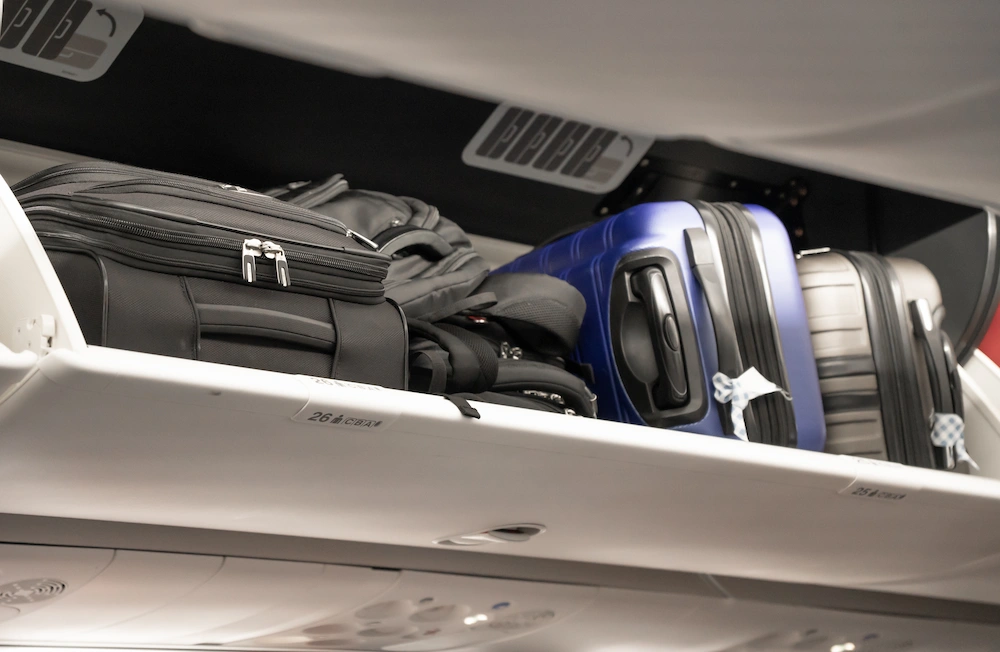
The bigger concern on most trips is the place you sleep, since that is where bed bugs live and feed. Still, bags get stacked together in overhead bins, shuttle vans, and baggage claim, so a suitcase picked up from a crowded carousel is not automatically in the clear. Treat it the same way you would after a hotel stay once it is home.
A Clean Room Can Still Have Bed Bugs
Bed bugs are not a sign of a dirty hotel or a messy relative. They feed on blood, not crumbs or trash, so a spotless room with fresh linens can still have them. A nice property is a good start, but it does not replace a quick check of your own.
What You Are Looking For
Adult bed bugs are flat, oval, and reddish brown, roughly the size of an apple seed. Younger ones are smaller and paler, which makes them harder to spot. More often than the bugs themselves, you will find the evidence they leave behind: small dark spots on mattress seams or sheets, tiny pale eggs or shed skins, and sometimes small rusty stains on bedding.
A Five-Minute Hotel Room Check

Before you open your bags, leave your luggage in the bathroom or on a hard surface away from the bed. Bathrooms have fewer hiding spots than a carpeted bedroom, and it buys you a few minutes to look around.
Start at the Head of the Bed
Pull back the sheets at the top corners and look along the mattress seams, piping, and tags with your phone’s flashlight. Bed bugs tend to stay close to where people sleep, so the head end of the bed is the most likely spot. If the box spring or bed base is easy to see, check its corners too.
The headboard deserves a look as well. Many hotel headboards are mounted to the wall, but you can usually shine a light along the edges and into any gap where it meets the wall. Dark spotting or shed skins in those cracks are worth reporting.
Check the Furniture Near the Bed
Upholstered chairs, the couch in a suite, and nightstand drawers are the next places to glance at. Look along seams and cushion edges, and open the drawers before you put anything in them. You do not need to tear the room apart, just look where a bed bug would want to hide during the day.
If You Find Something
Take a photo, keep your bags closed, and go to the front desk. Ask for a different room, ideally one that is not right next door or directly above or below, since bed bugs can travel between neighboring rooms. If you are staying in a rental or with family, let the host know politely so they can deal with it.
Luggage Habits That Make a Difference While You Are Away
A room check lowers the risk, but it is not perfect. Bed bugs hide well, and a quick look can miss a light infestation. The way you handle your bags for the rest of the trip is your second line of defense.
Keep Bags Up and Away From the Bed
Use the luggage rack, and pull it a few inches away from the wall and the bed before setting your suitcase on it. The bathroom counter or a hard dresser top is another option. Avoid tossing bags on the bed or the floor beside it, which is exactly where bed bugs are most likely to be.
Keep the suitcase zipped when you are not actively using it. A hard-shell case gives bed bugs fewer seams to hide in than a soft fabric bag, although either can work with good habits.
Pack in Sealed Bags
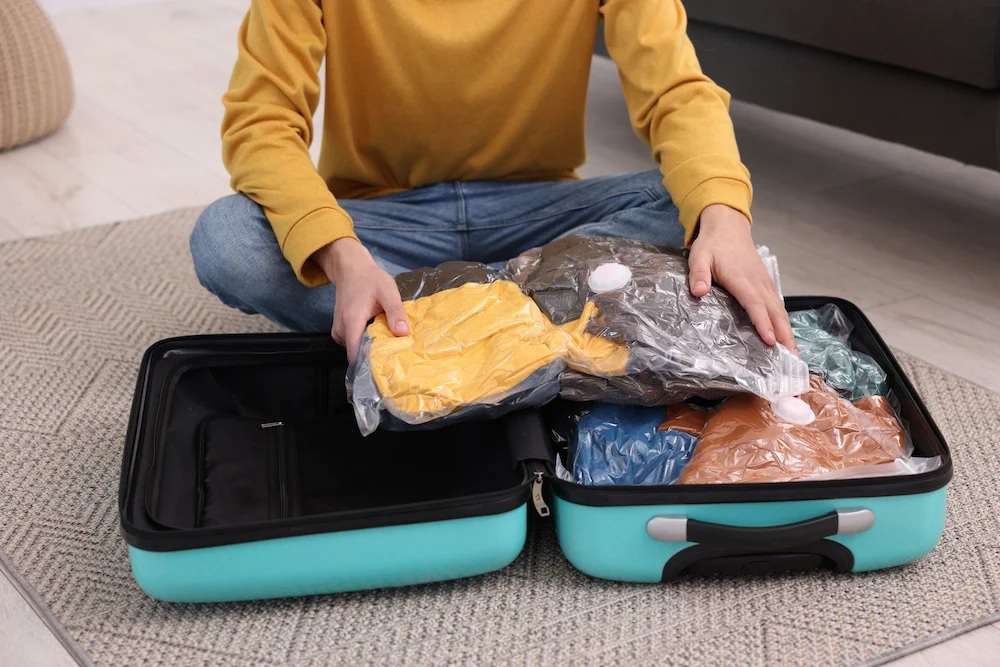
Packing clothes in large zip-top or sealable plastic bags inside your suitcase adds another layer. Keep worn clothes in their own sealed bag, separate from clean items, so anything that came into contact with the room stays contained until you get home. It also makes the first load of laundry after the trip much faster.
A few other habits help:
- Hang coats and jackets in the closet instead of draping them over a chair or the bed.
- Keep shoes and bags off the carpet next to the bed.
- Do a quick look at your suitcase seams before you zip it up to leave.
Staying With Family or in a Rental
Guest rooms and vacation rentals get less attention than hotels, so the same check applies. If you are sleeping on a pull-out couch or an air mattress, look along the couch seams and cushions. It may feel awkward, but a quiet look around takes a few minutes and is much easier than dealing with an infestation later.
Unpacking After You Land at Sky Harbor
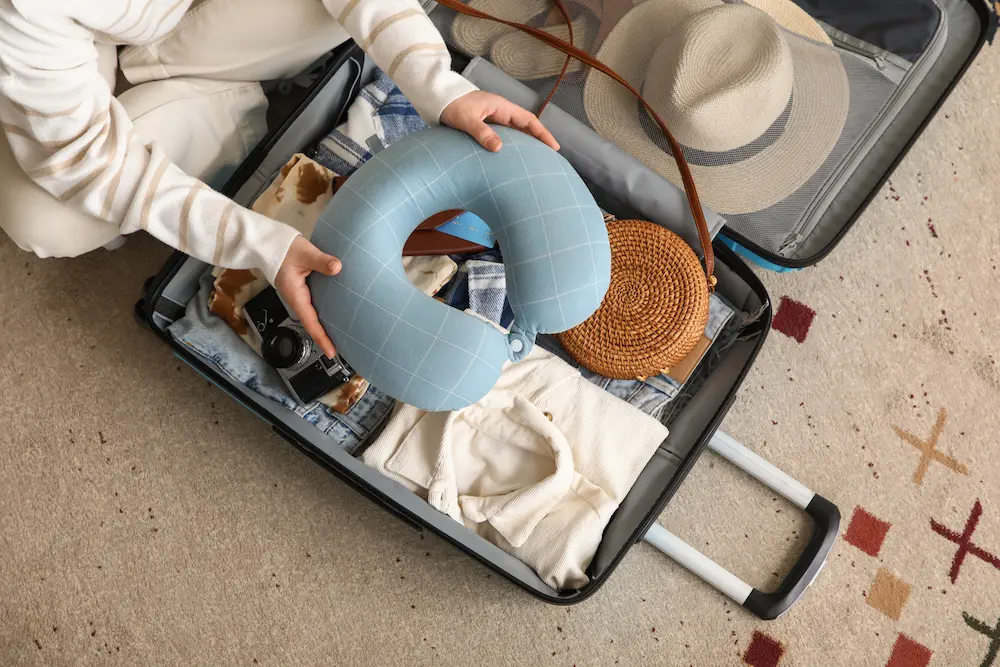
The last step is the one people skip most often. After a long travel day, it is tempting to wheel the suitcase into the bedroom and drop it on the bed. That is the habit to break.
Unpack Somewhere Other Than the Bedroom
Open your luggage in the garage, the laundry room, or on a tile or hard floor, away from beds and upholstered furniture. Plenty of Phoenix homes have the washer and dryer in the garage or a laundry room off it, which makes this easy. Take the clothes straight to the washer instead of setting them on the bed first.
Let the Dryer Do the Heavy Lifting
Heat is one of the most reliable ways to kill bed bugs in clothing. Wash travel clothes, then dry them on the highest heat setting the fabric can handle for at least 30 minutes. Items that cannot be washed, like some jackets or stuffed animals, can often go straight into the dryer on high. Check care labels first for anything delicate.
Sealed bags of clean clothes that never got worn can go through the dryer too if you have any doubts about where you stayed. It is a small step that removes most of the guesswork.
Clean Out the Suitcase
Vacuum the inside of your suitcase, paying attention to seams, zipper tracks, and pockets, then empty the vacuum outside right away. Store the luggage in the garage or a closet away from bedrooms instead of under the bed. If you stayed somewhere you had concerns about, keeping the empty suitcase sealed in a large plastic bag is one more layer of caution.
When the Guests Come to You
Plenty of Valley homes fill up with visiting relatives over the holidays, and their luggage has been through the same hotels and airports as yours. You do not need to inspect anyone’s suitcase, but a luggage rack or a spot on the tile floor of the guest room keeps bags off the bed and carpet. Afterward, wash the guest bedding on hot and dry it on high before it goes back in the closet.
If a guest mentions bites or a sketchy hotel along the way, take a quick look at the guest mattress seams and the headboard area after they leave. Catching a problem in one spare room is far simpler than finding it a month later in the main bedroom.
Watch for Signs Over the Next Few Weeks
Bed bugs do not always show up right away, so keep an eye out for dark spotting on your sheets or mattress seams after a trip. Bites by themselves are not a reliable sign, since people react very differently and many other things cause itchy bumps. If you have a skin reaction that worries you, spreads, or looks infected, see a doctor or other medical provider.
Getting Home Bed Bug Free in Phoenix, Chandler, and Mesa

Bed bug prevention while traveling comes down to a few simple habits: check the bed and nearby furniture when you arrive, keep your bags zipped and off the floor, and unpack straight into the laundry when you get home. Those steps lower the odds, even during the busiest travel weeks of the year.
If you think something hitched a ride back anyway, it is better to act early, while a problem is small and easier to treat. Green Mango offers bed bug control in Phoenix that starts with a thorough inspection to find hiding spots and gauge the extent of the activity. Homeowners can also book bed bug treatment in Chandler, including heat treatments, and Green Mango serves Mesa and Casa Grande as well.
For a free quote on our targeted bed bug services, contact us today!
Citations
Harney, C. (2025, June 25). How to prevent bed bugs during travel. Pointe Pest Control. Available at https://pointepest.com/how-to-prevent-bed-bugs-during-travel/ (Accessed on November 11, 2026).