
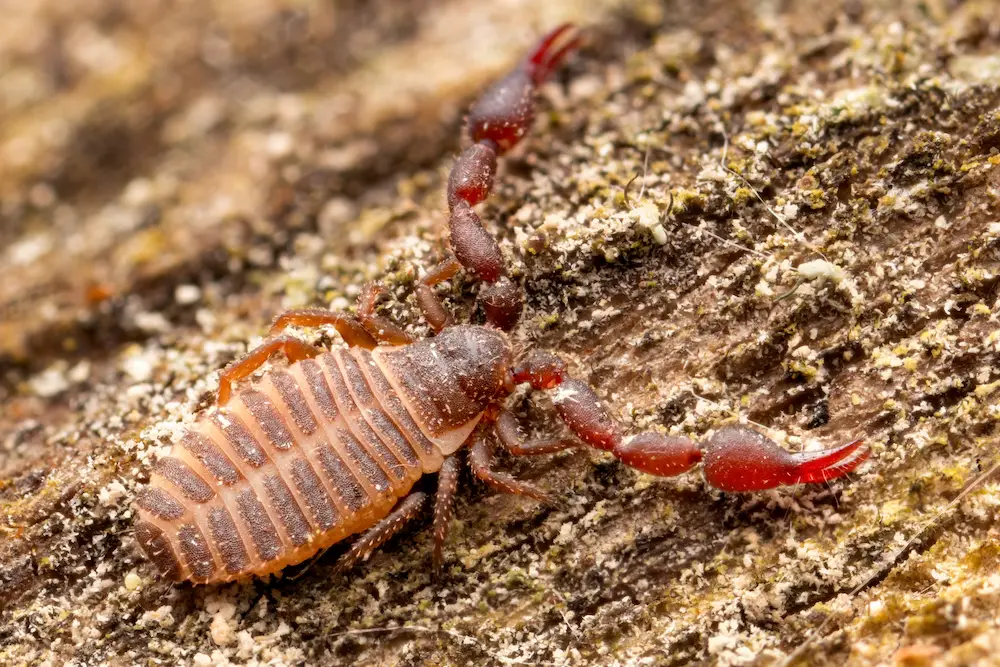
Summary: Scorpions, spiders, termites, rodents, and ants all become more active around Arizona homes as fall temperatures cool. This guide covers the most common fall pests in Arizona and what draws each one closer to the house.
Arizona does not get the dramatic seasonal shift that colder climates experience, but fall still brings a noticeable change in pest activity around Chandler and the greater Phoenix area. As the brutal summer heat finally breaks, several pests become more active, more visible, and more likely to end up closer to your house than they were in July and August.
Here are the most common fall pests in Arizona, and what tends to draw each one toward homes as the weather cools.
Scorpions and Spiders Stay Active Later Into the Season
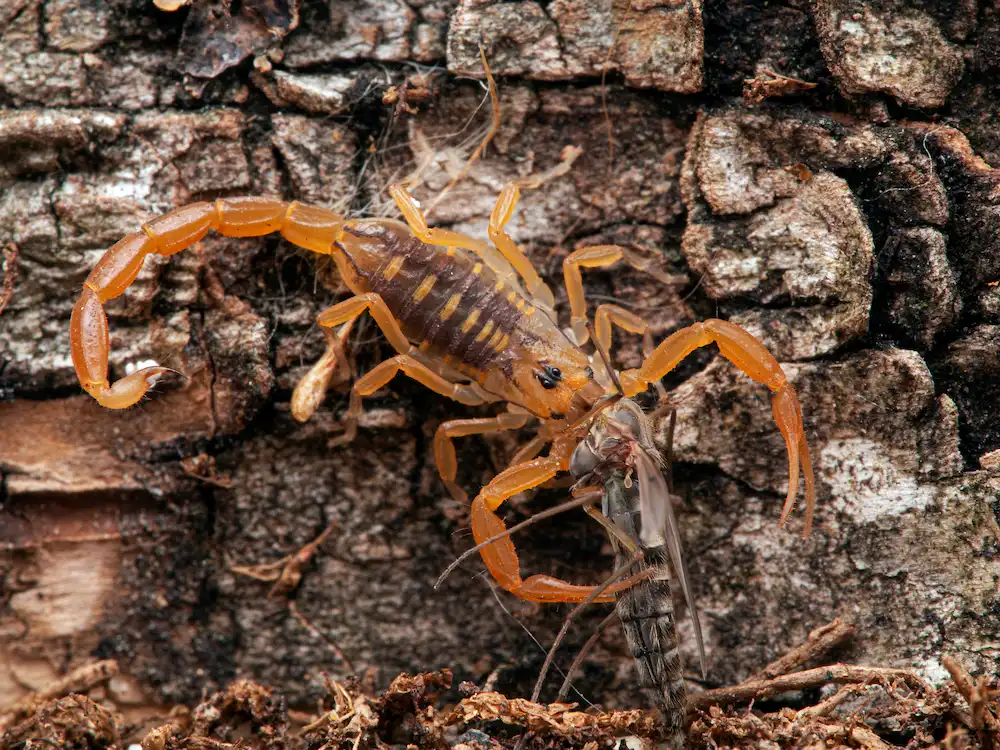
Scorpions remain active well into fall, and cooler nights actually make them more efficient hunters compared to the peak heat of summer, when they retreat further underground during the day. Woodpiles, rock landscaping, and cluttered storage areas all give scorpions the daytime cover they need before hunting at night. Green Mango’s scorpion control services in Chandler address both the scorpions themselves and the yard conditions that tend to draw them in.
Fall also lines up with mating season for several spider species common to the region, which means more movement and more sightings across garages, patios, and yards than homeowners typically notice during summer. Wolf spiders in particular tend to wander into garages and covered patios more than they do earlier in the year, which is often the first sign that fall activity has picked up.
Bark Scorpions Deserve Extra Caution
Of the scorpion species found around Chandler and the greater Phoenix area, the bark scorpion is the one worth being most careful with, since its sting is more painful and can cause a stronger reaction than other local species, particularly in children and older adults. Bark scorpions climb well, so checking shoes, gloves, and even bedding in homes with an active population is worth the extra minute it takes.
Termites Swarm as Temperatures Drop
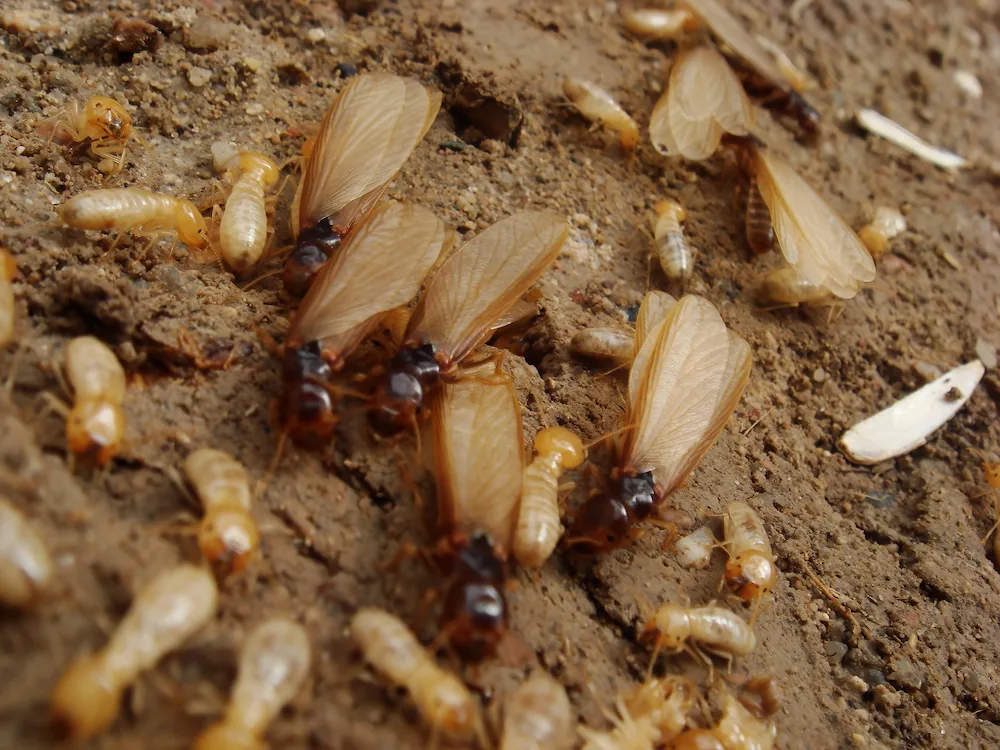
Certain termite species common to Arizona swarm during the fall, sending out winged reproductives to start new colonies. Finding discarded wings near windowsills or light fixtures is often the first visible sign of termite activity nearby, even when the colony itself stays hidden underground or inside a wall void.
- Discarded wings near windows, doors, or light fixtures.
- Mud tubes along the foundation or exterior walls.
- Wood that sounds hollow when tapped.
- Small pinpoint holes in wood surfaces.
A swarm near your home does not always mean the colony causing it is on your property specifically, but it is still worth a closer look at the foundation and any wood to soil contact points nearby, since a colony established next door can eventually spread toward an adjoining yard.
Drip irrigation lines running close to the foundation are worth checking at the same time, since a small leak can keep soil consistently moist right where subterranean termites need it most in an otherwise dry climate. Adjusting emitters that spray directly against the house, or fixing a slow leak found during a routine yard check, removes one of the more overlooked conditions that lets a colony establish itself in the first place.
Rodents and Ants Adjust Their Behavior Too
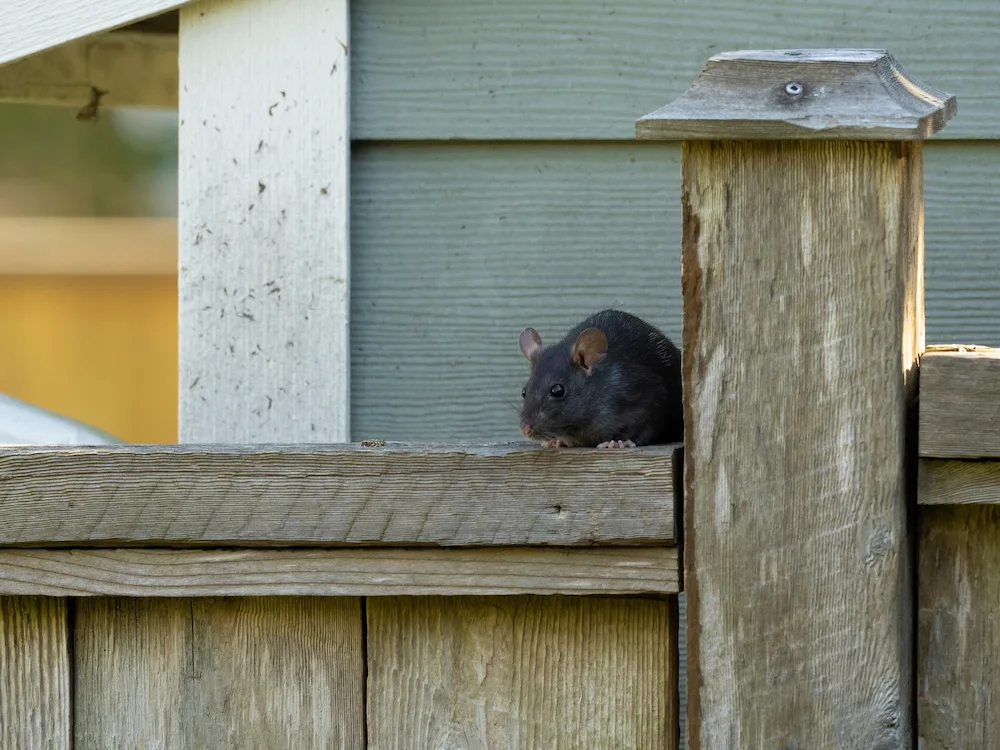
As nighttime temperatures drop, rodents start looking for warmer, more stable shelter, and a house with even small entry points offers exactly that. Roof rats in particular tend to move toward attics and rooflines during the fall, taking advantage of overhanging trees and utility lines as easy access points, a pattern common across both older Phoenix neighborhoods and newer Chandler subdivisions with mature landscaping.
Citrus trees, common in backyards throughout the Phoenix area, are a particular draw for roof rats heading into fall, since the fruit provides both food and water at a time when both become harder to find elsewhere. Picking up fallen fruit promptly and trimming branches back from the roofline removes two of the biggest attractants at once.
Many ant colonies increase foraging activity in the fall as they build up food reserves before winter, which often means more ant trails showing up in kitchens and around outdoor trash areas than homeowners saw during the hottest months. Keeping trash cans sealed and cleaning up spills quickly outdoors reduces one of the biggest draws for foraging ants this time of year.
A Quick Prevention Checklist for the most common fall pests in arizona
Sealing gaps around utility lines and rooflines, clearing woodpiles and debris away from the house, fixing leaks that create standing moisture, and keeping trash sealed all address multiple fall pests at once rather than treating each one separately. Pests that establish themselves around a home in the fall, whether that is a termite colony starting near the foundation or rodents settling into an attic, tend to stay active through the winter rather than dying off the way some pests do in colder climates.
Addressing activity now prevents a manageable fall issue from becoming a bigger problem by the time temperatures drop further in December and January, when it becomes harder to spot a new gap or nest before it has already been in use for weeks.
Irrigation timing matters here too. Desert landscaping that gets watered in the early evening, right as temperatures start to cool, can create the kind of consistent moisture that draws scorpions, ants, and rodents toward a yard even after the hottest part of the day has passed. Shifting watering schedules to early morning instead reduces how much standing moisture is available right when many of these pests become most active.
Block wall fences and gravel beds, both common features of Chandler and Phoenix area landscaping, provide cover for several of these pests at once, from scorpions hiding under decorative rock to rodents traveling along a shared fence line. Walking that perimeter periodically, and clearing out anything stacked directly against the wall, removes a staging area many homeowners never think to check.
Get Ahead of Fall Pest Activity
Cooler weather does not slow Arizona pests down the way it does in other parts of the country. If anything, several of the pests covered here become more active and more visible as the temperature finally drops from summer highs, which catches a lot of homeowners off guard after a quiet late summer.
Properties bordering open desert, a wash, or a golf course tend to see the widest mix of these pests, since all five have easy access to the yard before ever reaching the house itself. A fall walkthrough focused on the yard first, then the exterior of the house, catches most of what is likely to become a problem later in the season.
If you are already seeing increased activity from any of these pests, Green Mango’s pest control services can help identify exactly what is drawing them toward your property this season and put a plan in place before winter. Contact us for a free quote today!
Citations
UofA, Maricopa Ag Center. (2020, October 12). Fall pests and pest prevention check list. The University of Arizona: Arizona Pest Management Center. Available at https://acis.cals.arizona.edu/community-ipm/home-and-school-ipm-newsletters/ipm-newsletters/2020/10/12/fall-pests-and-pest-prevention-check-list (Accessed on September 14, 2026).