
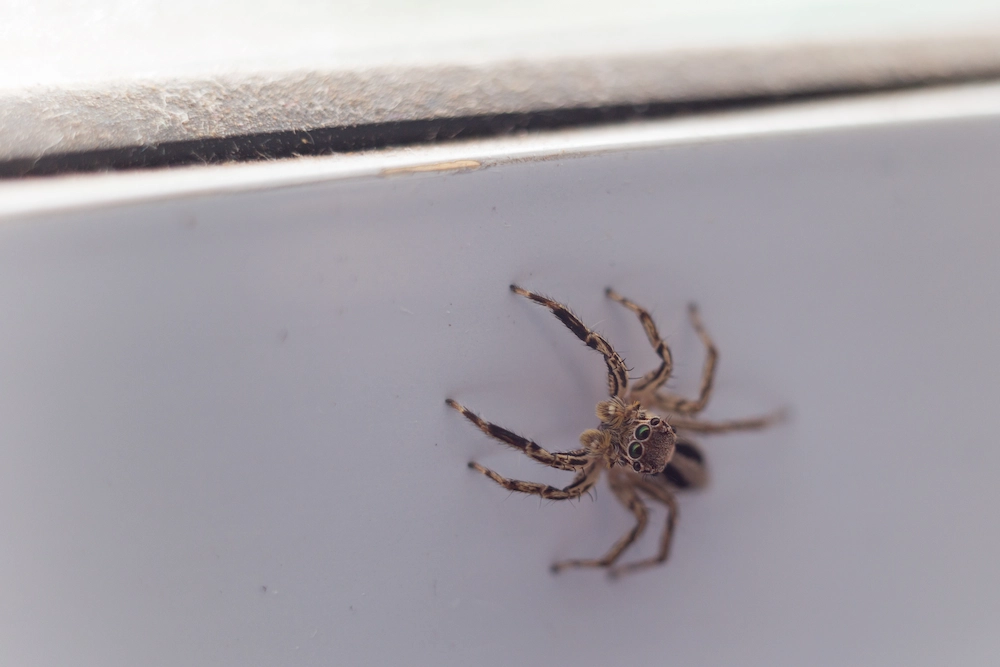
Summary: Fall mating season brings more spider activity to Arizona homes as males search for mates and prey moves toward shelter. This guide covers where spiders gather this time of year and practical prevention tips for keeping them outside.
As Arizona finally cools off from the peak of summer, a lot of homeowners in Chandler and across the greater Phoenix area notice something else changing along with the weather: more spiders showing up around the house. Fall lines up with mating season for several common Arizona spider species, which means more movement, more webs, and more sightings than you probably saw all summer.
A few targeted spider season prevention tips can keep that increase from turning into a full blown indoor problem, and they do not require ripping apart your landscaping or spraying every corner of the house.
Why Fall Means More Spiders in Arizona
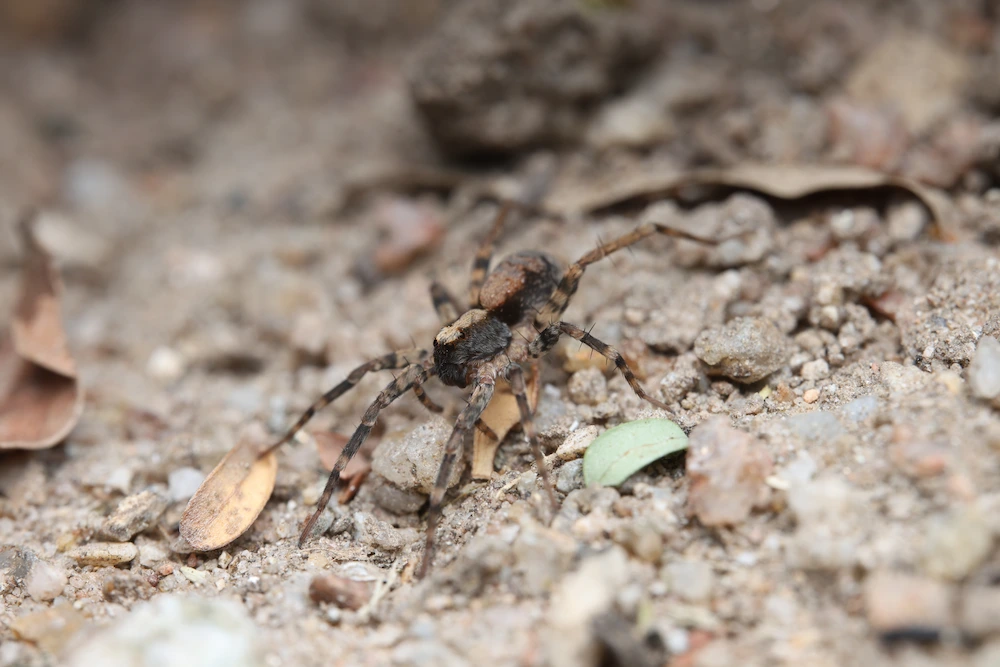
Once the extreme summer heat starts to ease, male spiders of several common species become more active as they search for mates, often covering far more ground than they would during the hottest months. That increase in movement is why homeowners tend to spot more spiders wandering across patios, garage floors, and driveways in September and October than earlier in the summer.
At the same time, cooler nights push the insects spiders feed on toward shelter, and spiders naturally follow that food source closer to the house. Porch lights and other exterior fixtures attract flying insects, and spiders know it. Webs frequently show up near light fixtures specifically because that is where the easiest meals are concentrated.
Which Species Show Up Most Often
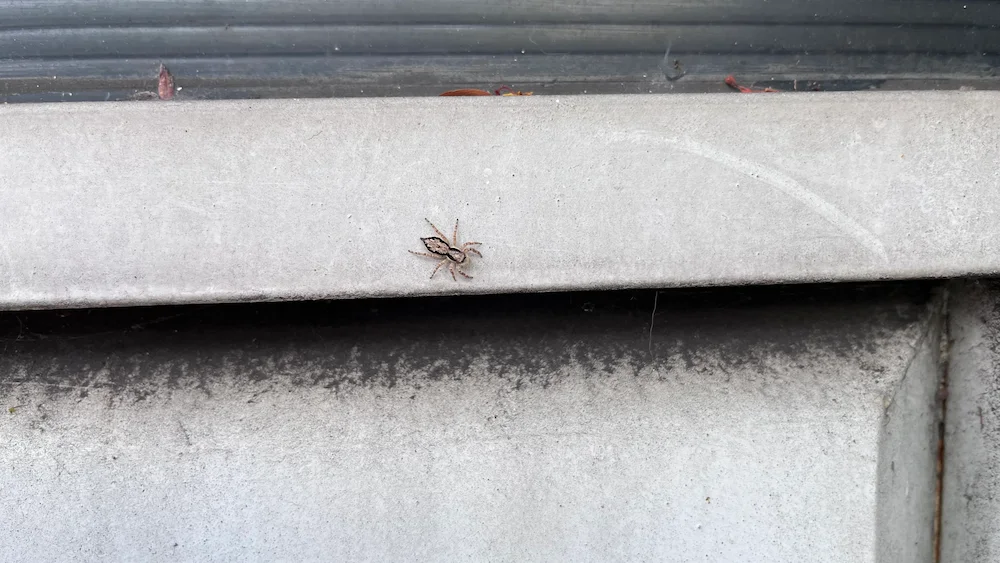
Wolf spiders and jumping spiders are the two species most homeowners run into during fall in the Phoenix area, since both actively hunt rather than sit in a web, which is why they tend to appear suddenly on a patio or garage floor rather than being spotted first as a stationary web. Black widows are less common indoors but do show up in garages, woodpiles, and undisturbed storage boxes, which is why they deserve a little extra caution when moving items that have not been touched in a while.
None of these species are aggressive by nature, and most bites happen only when a spider is pressed against skin, such as inside a shoe or glove that has not been checked before putting it on. Shaking out stored footwear and gloves before use is a simple habit that avoids the most common way Arizona homeowners actually get bitten.
Where Spiders Tend to Gather This Time of Year
- Garages and storage sheds with minimal foot traffic.
- Woodpiles and stacked landscaping materials.
- Corners of patios and covered outdoor living areas.
- Gaps around exterior lighting fixtures, which attract flying insects.
- Undisturbed corners inside closets and basements.
Switching to yellow-toned bug lights or moving fixtures slightly away from entry points can reduce how many insects, and in turn spiders, gather right at your door. This matters just as much on newer Chandler subdivisions with a lot of exterior lighting as it does on older Phoenix-area properties with mature landscaping, since both attract the same flying insects once the sun goes down.
Block wall fences and gravel landscaping, both common throughout the Phoenix area, add another layer of cover that many homeowners never think to check. Spiders use the gaps between fence blocks and the shaded pockets under decorative rock to stay cool during the day, then move toward the house once temperatures drop after sunset. Checking these areas periodically, especially the base of a shared fence line, catches activity before it has a chance to build up closer to the home.
Covered patios with string lights or hanging plants deserve a second look too, since the combination of shade, moisture from watering, and steady insect traffic makes them one of the more overlooked spider magnets in a typical Arizona backyard. A quick check of the underside of hanging planters and the corners where a patio cover meets the house can catch a web before it becomes an established colony of them.
Sealing Entry Points and Reducing Yard Cover

Spiders often enter homes by following prey through gaps that already exist rather than actively seeking out an entry point on their own. Checking weatherstripping, sealing gaps around utility lines, and repairing torn window screens all reduce the number of insects getting inside, which removes the food source that draws spiders in behind them.
Keeping woodpiles elevated and away from the house, clearing debris and leaf litter from around the foundation, and trimming back dense landscaping all remove the daytime hiding spots several Arizona spider species rely on. A tidier yard gives spiders fewer places to settle in before making their way toward the house. For yards with an established spider population, Green Mango’s spider control services can address the issue directly, which is especially useful for households concerned about black widows or other species that warrant extra caution.
Pool areas deserve a specific mention here too, since the combination of standing water, patio furniture, and equipment storage around a backyard pool tends to attract both insects and the spiders hunting them. Checking pool equipment closets and the undersides of furniture cushions periodically catches activity before it spreads closer to the house itself.
Handling Webs and Knowing When to Call for Help
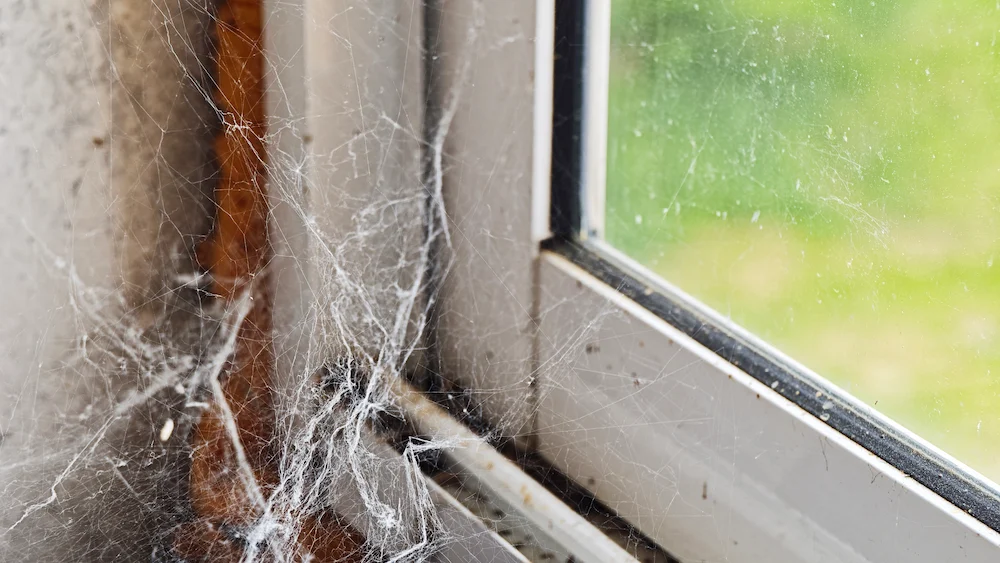
A vacuum is generally the easiest way to remove an indoor web along with any egg sacs attached to it, since it clears both without leaving residue behind. Checking the same spot again a few days later helps confirm whether the removal actually solved the problem or whether something is still drawing spiders back to that specific area.
An occasional spider sighting is normal almost anywhere in Arizona, but a growing population concentrated in one area, particularly a garage, shed, or crawl space, usually points to an insect food source worth addressing as well. Trying to solve that kind of recurring activity with spot treatments alone tends to be a losing battle, since new spiders simply move in to take advantage of the same conditions once the earlier ones are removed.
Keep Spider Season Outside This Fall
Spider season prevention comes down to removing what draws spiders in: easy prey, easy shelter, and easy entry points. A yard and home that address all three tend to see far less indoor activity through the fall, and the habits involved, sealing gaps, clearing clutter, and rethinking outdoor lighting, are worth keeping up year round rather than just during peak spider season.
It also helps to remember that this is a temporary spike rather than a permanent shift. Once mating season winds down further into fall, spider activity around most Arizona homes settles back toward normal levels, which means the extra vigilance during September and October matters most and can be relaxed once the weather turns cooler and more stable.
The Best Spider Season Prevention Tips Include Green mango
If spider activity around your home has become more than routine sightings this fall, Green Mango’s pest control services can help identify what is drawing them in and bring the population back under control before the season is over. Contact us for a free quote on our high-quality, effective spider control services today!
Citations
Sabella, M. (2026, September 9). Spiders taking over your porch? 5 pro-approved methods to keep them from coming back. The Spruce. Available at https://www.thespruce.com/how-to-get-rid-of-spiders-on-porch-12068682 (Accessed on September 21, 2026).