
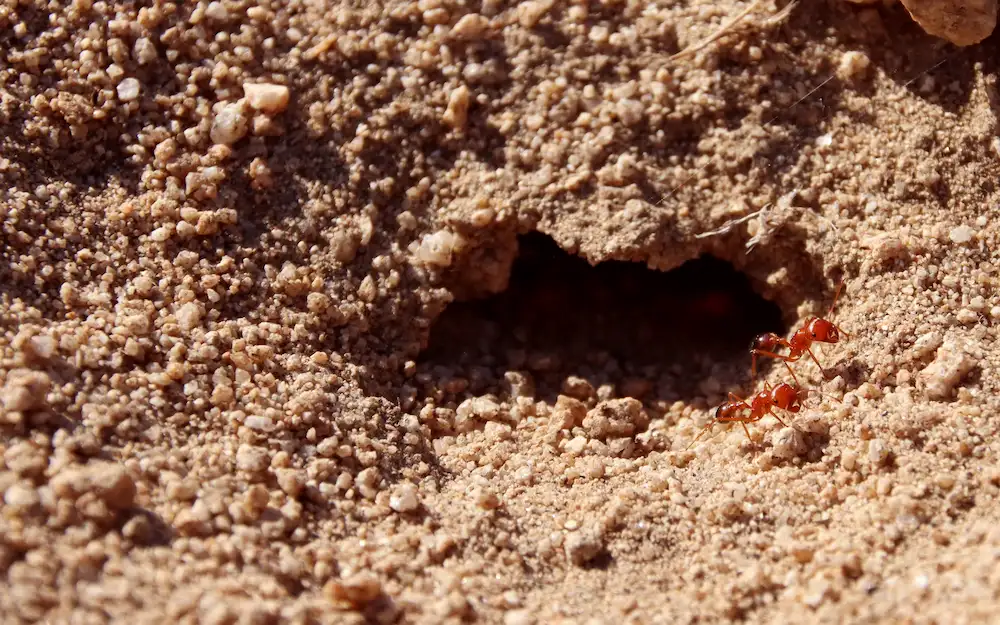
Summary: This article explains where do fire ants build nests, including common mound locations like lawns, sidewalks, and near structures. It also covers fire ant habitat preferences, signs of activity, and practical steps to prevent infestations around your property.
Why fire ants choose certain nesting spots
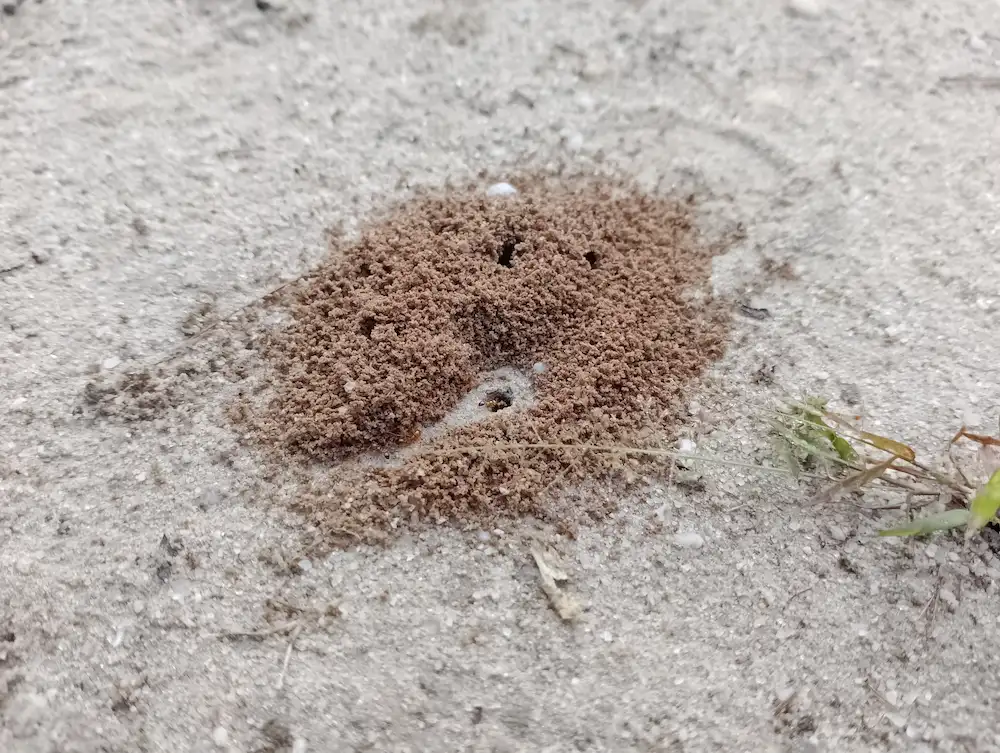
Fire ants are highly adaptable and strategic when it comes to building nests. Their primary goal is survival, which means choosing locations that offer warmth, moisture, and easy access to food. These conditions help colonies grow quickly and stay protected from disturbances.
If you are wondering where do fire ants build nests, the answer often comes down to soil conditions and environmental stability. Fire ants prefer loose, well drained soil where they can easily construct tunnels and expand their colony over time.
How fire ant nests are structured

Fire ant nests are not just surface mounds. Below ground, they can extend several feet deep with complex tunnel systems that house thousands of ants, including the queen. These underground structures allow them to regulate temperature and protect the colony from weather changes.
Above ground, the visible mound is only part of the colony. Some nests may not even have obvious mounds, especially in high traffic areas where soil gets compacted or disturbed. This makes it important to understand common fire ant habitat preferences when inspecting your property.
Common fire ant mound locations around homes

Lawns and open grassy areas
One of the most common fire ant mound locations is in residential lawns. Open grassy areas provide the ideal combination of sunlight, moisture, and soil conditions for nesting.
Fire ants in lawns often build mounds in areas that are not frequently disturbed, such as along the edges of yards or near garden beds. Irrigated lawns are especially attractive because they maintain consistent moisture levels.
Near sidewalks, driveways, and roads
Fire ants frequently build nests along hard surfaces like sidewalks and driveways. These areas absorb and retain heat, creating a warm environment that supports colony growth.
You may notice ant nests near sidewalks where cracks or edges allow ants to tunnel into the soil. Road edges and curbs are also common nesting spots because they provide both warmth and protection.
Around foundations and structures
Fire ants are also drawn to areas near buildings, especially where soil meets the foundation. These locations often have stable ground and can trap heat, making them appealing for nesting.
They may build mounds near walls, patios, or under outdoor equipment. In some cases, colonies can expand close enough to structures that they become a concern for indoor activity.
Less obvious places fire ants may nest

Under landscaping materials and debris
Fire ants do not always build visible mounds. They can nest under rocks, mulch, wood piles, and other landscaping materials that provide shelter and protection.
These hidden nesting areas make infestations harder to detect early. Regularly checking beneath items in your yard can help you spot activity before it spreads.
Near water sources and moist soil
Moisture plays a key role in fire ant survival. Areas with consistent water access, such as near irrigation systems, downspouts, or garden beds, are highly attractive.
After heavy rain, fire ants may relocate their nests to higher ground, sometimes appearing in new areas of your yard. This movement can make infestations seem sudden or widespread.
Signs of fire ant activity around your property

Recognizing fire ant activity early can help you respond before colonies expand. Look for these common indicators:
- Loose soil mounds with no visible opening at the top
- Increased ant activity in sunny areas of your yard
- Painful stings when disturbing soil or grass
- Ant trails leading to and from food sources
Fire ants are aggressive when their nests are disturbed. If you notice these signs, avoid direct contact and observe from a distance.
Preventing fire ant nests around your home

Reduce favorable nesting conditions
Prevention starts with making your yard less attractive to fire ants. Keep grass trimmed, reduce excess moisture, and remove debris that could provide shelter.
Addressing these factors helps disrupt fire ant habitat preferences and reduces the likelihood of colonies establishing near your home.
Maintain regular yard inspections
Consistent inspections are key to catching fire ants early. Walk your property regularly and check common nesting areas like lawns, edges, and near hard surfaces.
Early detection allows for quicker treatment, which is essential for preventing colonies from spreading or multiplying.
When to take action against fire ants

Fire ants can become a serious problem if left untreated. Their colonies grow quickly, and their stings can be painful and potentially dangerous for some individuals.
If you are dealing with multiple mounds or recurring activity, professional pest control may be the most effective solution. Targeted treatments can eliminate colonies at the source and help prevent future infestations.
Stay proactive against fire ants
Understanding where do fire ants build nests gives you an advantage when it comes to prevention. By knowing where to look and what conditions attract them, you can take steps to protect your property.
A proactive approach, combined with early intervention, makes it much easier to keep fire ants from becoming a long term issue around your home. For a free quote on our fire ant services, contact us today!
Citations
Fire ant nests, hills and range. (n.d.). Orkin. Retrieved April 13, 2026, from https://www.orkin.com/pests/ants/fire-ants/fire-ant-nests-hills-and-range