
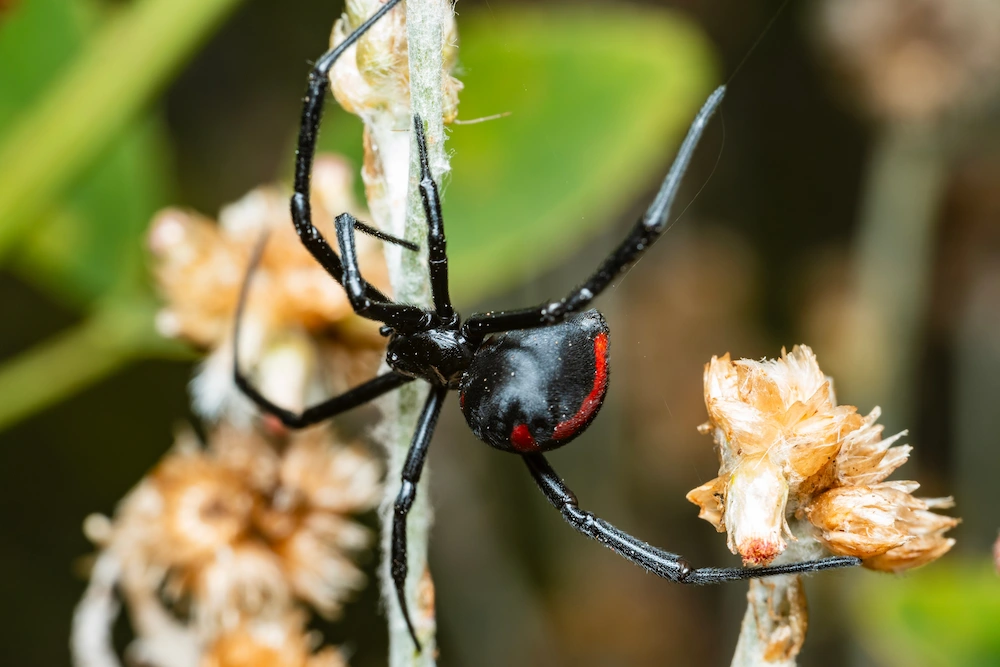
Summary: This article explains how a mild winter increases pest activity and outlines practical steps homeowners can take for spring pest prevention. It covers sealing entry points, removing outdoor habitats, and using early season pest control to prevent infestations before they start.
Why a mild winter leads to more pest activity

A mild winter often means fewer pests die off during the colder months. Instead of resetting populations, warmer conditions allow insects and rodents to survive and stay active longer than usual. This leads to earlier breeding cycles and a noticeable increase in pest pressure once temperatures begin to rise.
Homeowners may start seeing pest activity weeks earlier than expected. Ants, spiders, and even rodents begin searching for food and shelter sooner, which makes spring pest prevention after mild winter conditions especially important. Taking action early helps prevent small issues from turning into full infestations.
What pests are more active in early spring
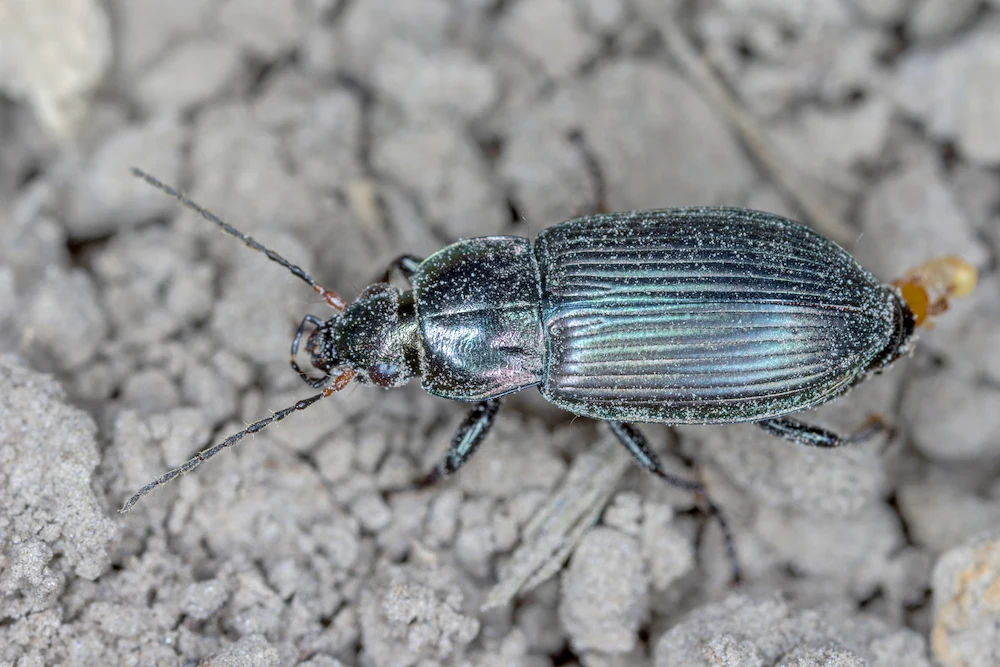
When winter is not harsh, many pests remain close to homes and quickly become active again. Ants emerge to forage, spiders rebuild webs around entry points, and rodents continue nesting in attics or wall voids.
This is where early season pest control becomes critical. Addressing pest activity at the start of spring helps disrupt breeding cycles and reduces the likelihood of infestations spreading throughout your home.
Seal and protect your home from pest entry
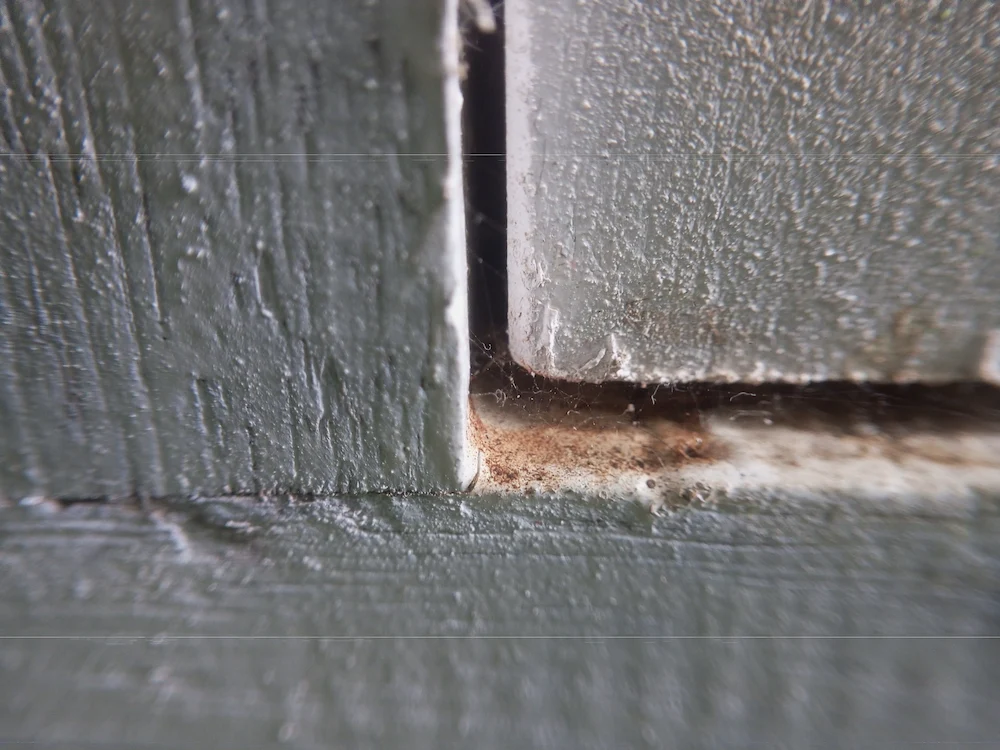
Identify and close common entry points
One of the most effective ways to reduce pest activity is to block how they get inside. Small cracks, gaps, and openings around your home act as easy access points for insects and rodents.
Focus on areas like door frames, window seals, utility penetrations, and foundation cracks. Learning how to seal entry points for pests can significantly reduce indoor pest problems before they begin.
Even tiny openings can allow ants, spiders, and other insects inside. Use caulk, weather stripping, or mesh screens to seal gaps and repair damaged areas around your home’s exterior.
Check exterior structures and hidden gaps
Beyond obvious openings, pests often enter through overlooked areas like rooflines, vents, and siding gaps. These spaces provide both entry and shelter, making them ideal for nesting.
Walk around your home and inspect areas where different materials meet. Pay close attention to garage doors, attic vents, and crawl spaces. Reinforcing these vulnerable spots early in the season creates a strong barrier against pests.
Remove outdoor pest habitats before they spread
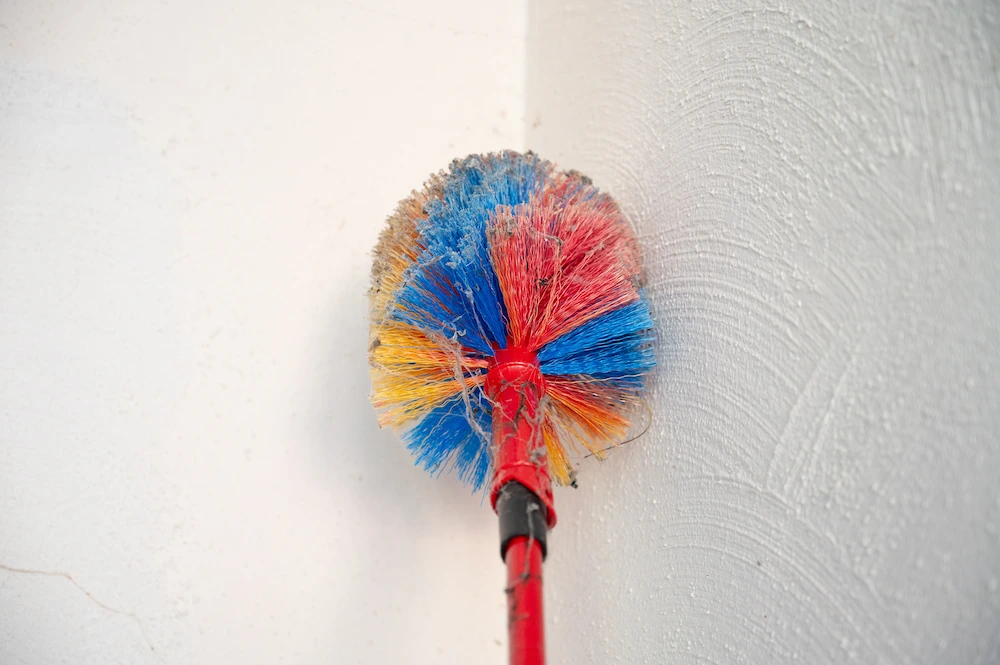
Clear spider webs and nesting zones
Spiders are one of the first pests to become active in spring. Webs around eaves, light fixtures, and outdoor corners not only signal activity but also attract other insects.
Make it a routine to remove spider webs outside your home. This simple step discourages spiders from settling and reduces the number of insects they attract near entry points.
Regular cleaning also helps you spot new pest activity early, giving you a chance to respond before populations grow.
Eliminate clutter and moisture sources
Pests thrive in environments that provide shelter and water. Yard debris, stacked wood, and overgrown vegetation create ideal hiding spots close to your home.
Trim bushes away from walls, remove leaf piles, and keep firewood elevated and stored away from the structure. Addressing these factors helps prevent spring pest infestations by making your property less attractive to pests.
Moisture is another major factor. Fix leaking outdoor faucets, improve drainage, and avoid overwatering landscaping near your foundation.
Build a proactive spring pest control routine
Maintain consistent inspections
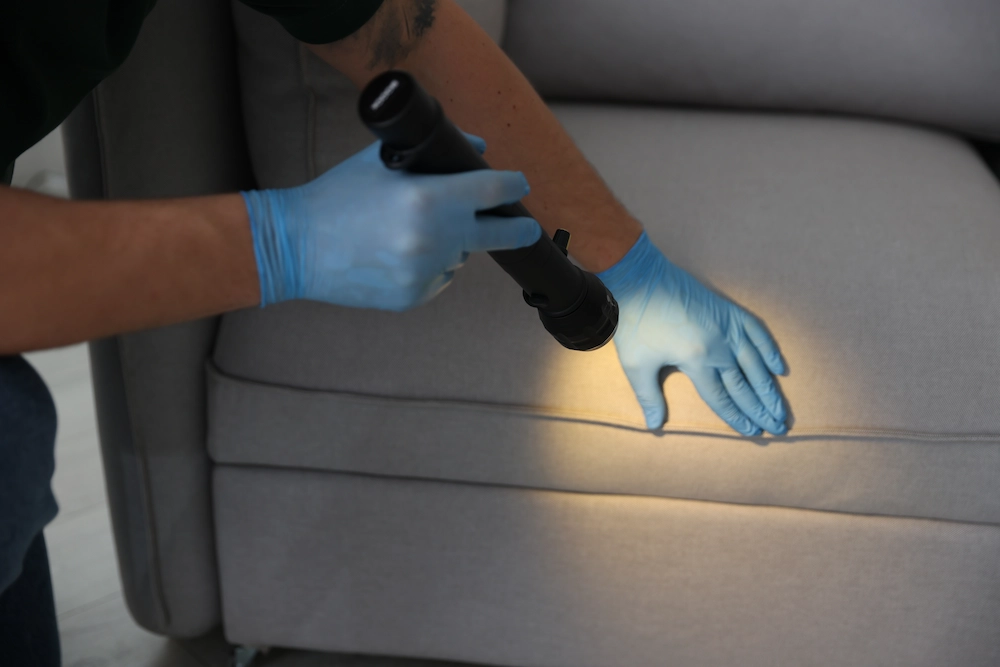
Prevention is not a one-time task. Regular inspections help you catch pest activity before it escalates. Walk around your home every few weeks to check for new gaps, webs, or signs of pests.
Look for droppings, damaged materials, or unusual activity around doors and windows. Staying consistent with inspections ensures that small problems do not go unnoticed.
Schedule professional pest control when needed
Even with strong prevention efforts, some pest problems require professional attention. If you notice recurring activity or signs of multiple pests, it may be time to bring in expert help.
Professional pest control services provide targeted treatments and long-term solutions that go beyond basic prevention. Early intervention helps keep your home protected throughout the entire season.
Stay ahead of spring pests
A mild winter can set the stage for a busy pest season, but taking early action makes a significant difference. By sealing entry points, removing outdoor habitats, and staying proactive, you can reduce pest activity before it becomes a larger issue.
Spring is the best time to take control. With the right approach, you can protect your home and enjoy the season without unwanted pests. Contact us for a free quote today!
Citations
Spring cleaning advice to keep pests at bay. (n.d.). Pest World. Retrieved April 14, 2026, from https://www.pestworld.org/news-hub/pest-articles/spring-cleaning-advice-to-keep-pests-at-bay/