
Summary: This article explains the key differences between yellow jackets vs hornets, including their appearance, behavior, and nesting habits. It also covers how to identify stinging insects and provides tips to reduce the risk of stings around your home.
Why people confuse yellow jackets and hornets
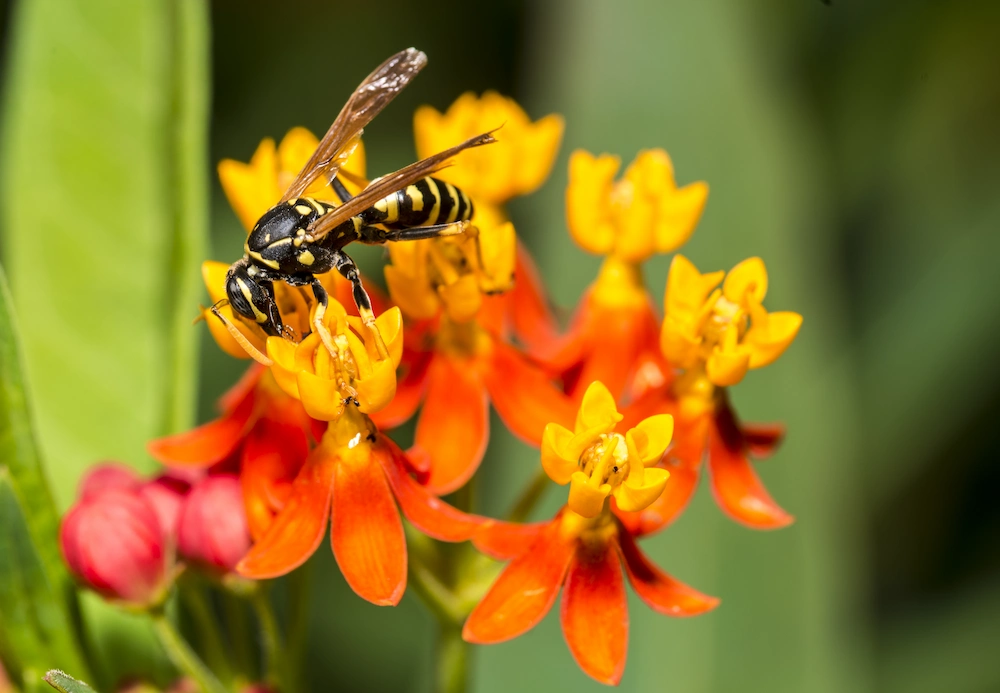
At a glance, many stinging insects look similar, especially when they are flying quickly or guarding a nest. Yellow jackets and hornets are both part of the wasp family, which is why they share similar colors, body shapes, and aggressive behavior when threatened.
Understanding yellow jackets vs hornets is important because their nesting habits, behavior, and risk levels can differ. Knowing which one you are dealing with helps you respond safely and choose the right approach for removal or prevention.
How to identify stinging insects correctly
When it comes to identifying stinging insects, small details make a big difference. Body size, color patterns, and where the insects are found can all help you tell them apart.
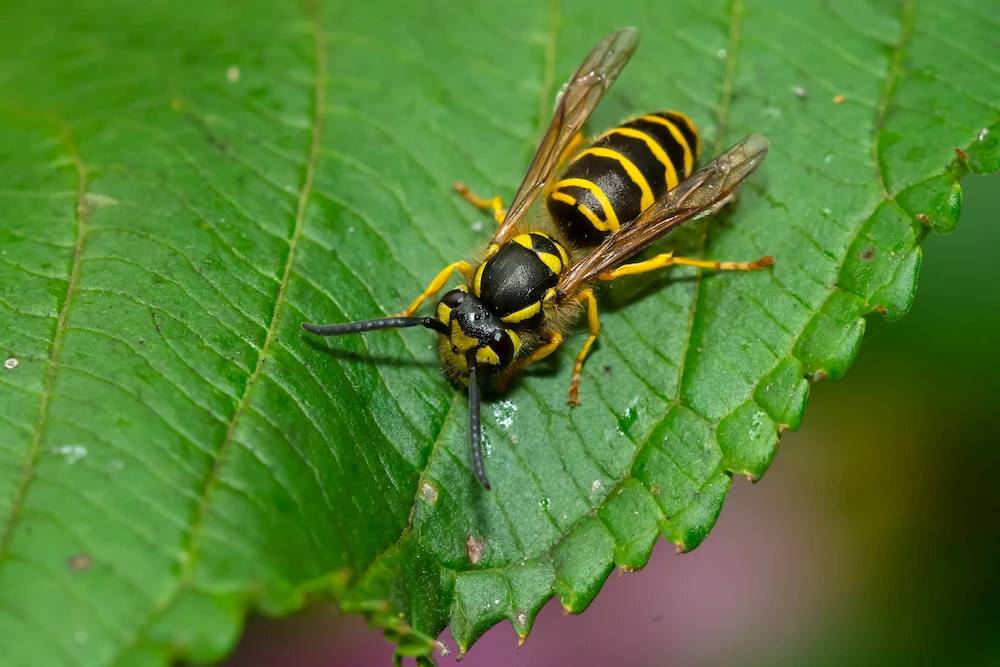
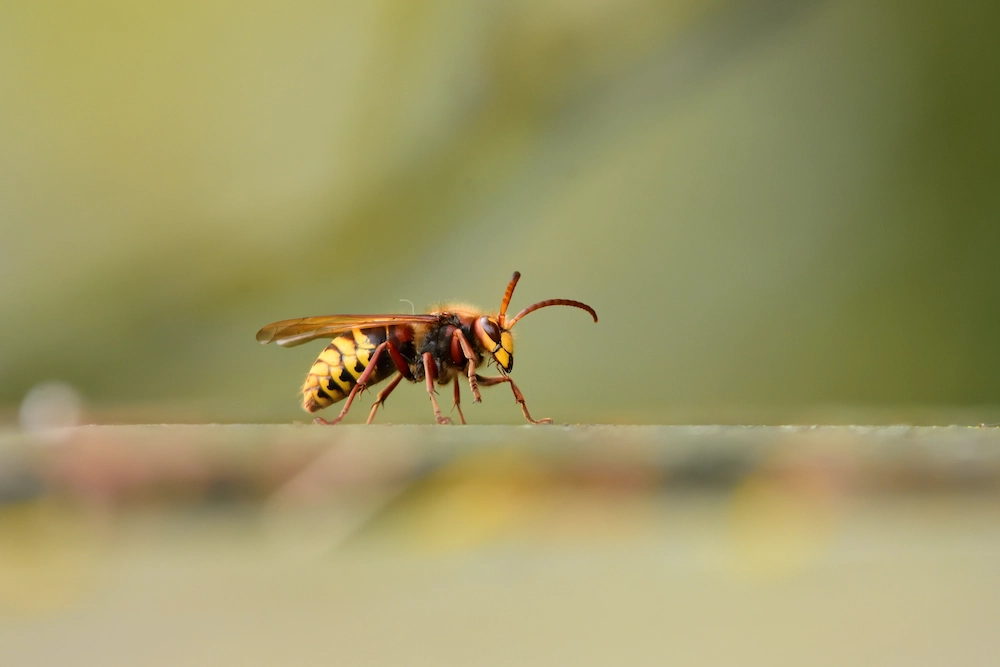
Yellow jackets are typically smaller, with bright yellow and black markings and a more compact body. Hornets, on the other hand, are larger, with thicker bodies and often include white or lighter colored markings depending on the species. Paying attention to these visual clues is key to avoiding misidentification.
Key differences between yellow jackets and hornets
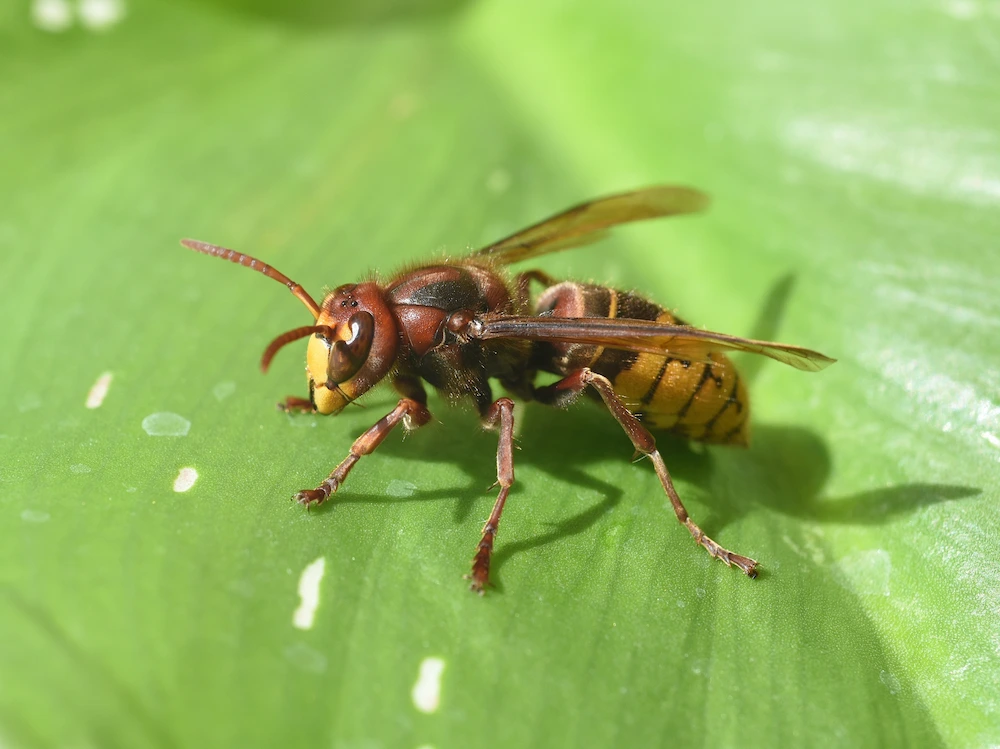
Size, appearance, and coloration
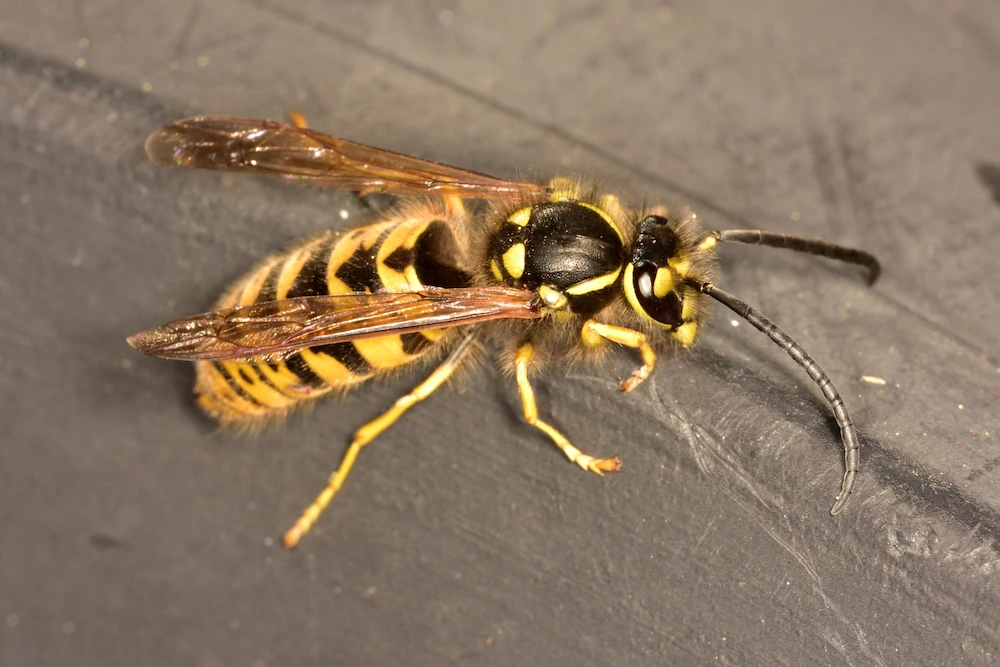
One of the easiest ways to tell the difference between yellow jackets and hornets is size. Yellow jackets are usually about half an inch long, while hornets can grow over an inch in length.
Yellow jackets have sharp, vivid yellow and black stripes that appear glossy and bold. Hornets tend to have more muted tones, with black combined with white, cream, or reddish brown accents. Their larger size also makes them more noticeable when flying.
Behavior and aggression levels
Both insects can be aggressive, but their behavior differs in important ways. Yellow jackets are highly food driven and often become a nuisance around outdoor meals, trash bins, and sugary drinks.
Hornets are generally less interested in human food but are extremely defensive of their nests. If disturbed, they may attack in groups and pursue perceived threats for longer distances.
Nesting habits and locations
Nesting behavior is another major difference in the wasps vs hornets comparison. Yellow jackets often build nests underground, inside wall voids, or in hidden spaces like crawl areas.
Hornets usually build large, visible paper nests above ground. These nests are often found hanging from trees, shrubs, eaves, or other elevated structures.
Where you are likely to find each
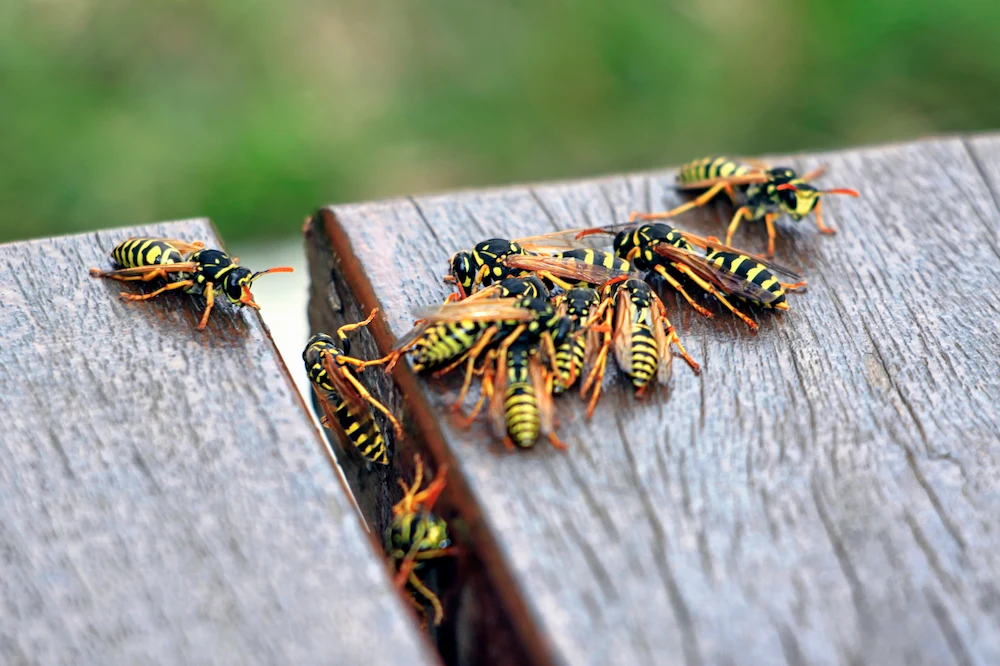
Yellow jackets around homes
Yellow jackets are commonly found in high-traffic areas. You may see them hovering around garbage cans, outdoor dining spaces, or fallen fruit in your yard.
They are also known for nesting in lawns, which can make them especially dangerous when mowing or walking through the yard. Disturbing a ground nest can trigger immediate and aggressive stinging behavior.
Hornets near trees and elevated structures
Hornets prefer more secluded and elevated nesting spots. Their nests are often easier to spot because they are large and exposed, hanging from branches or attached to structures.
Even though they are less likely to bother you during daily activities, getting too close to a hornet nest can lead to defensive attacks. It is best to keep a safe distance and avoid direct interaction.
Types of aggressive wasps to watch for
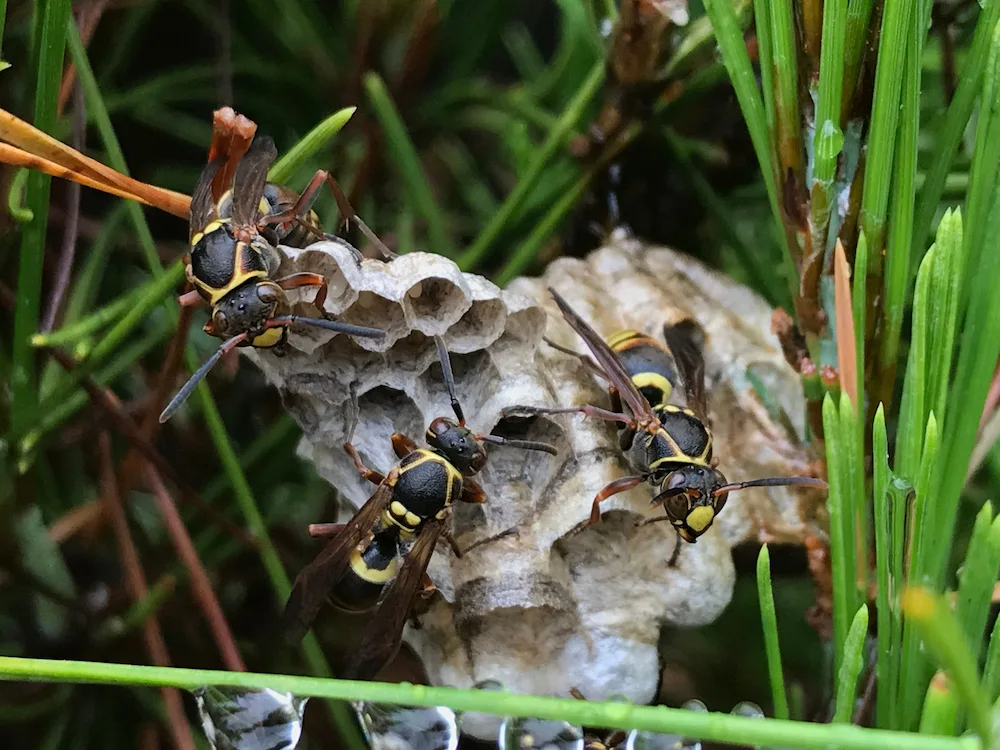
While yellow jackets and hornets are two of the most common, there are several types of aggressive wasps that homeowners may encounter. These include paper wasps and other regional species that can become territorial.
Each type has slightly different nesting habits and behavior, but all should be treated with caution. Recognizing the species helps determine the safest and most effective way to handle the situation.
How to reduce the risk of stings
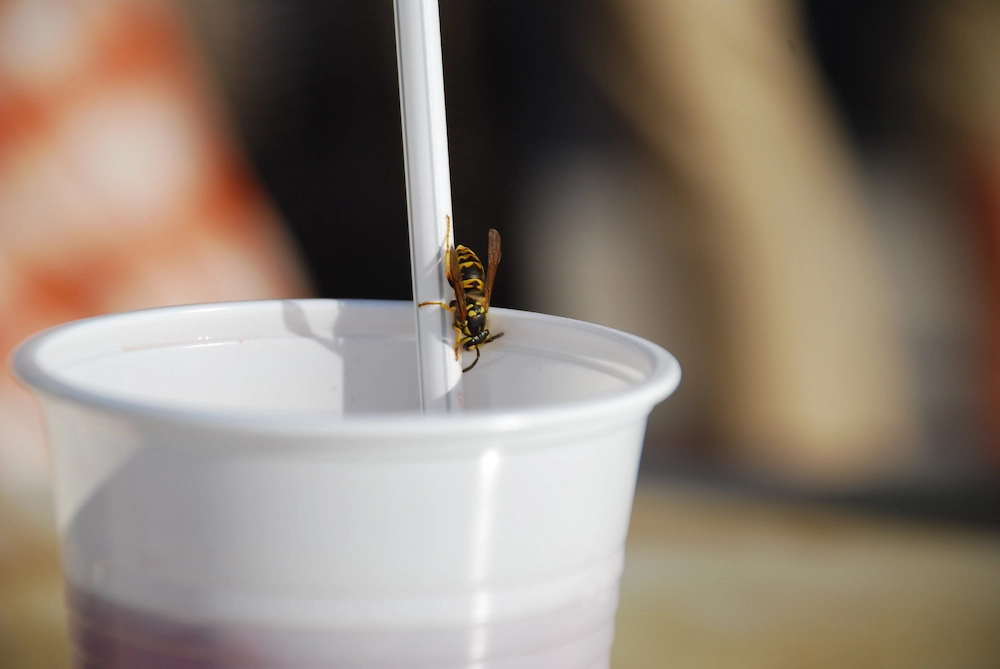
Limit attractants around your property
Keeping your outdoor spaces clean can reduce encounters with stinging insects. Seal trash containers, clean up food spills quickly, and avoid leaving sugary drinks or pet food outside.
Reducing these attractants makes your property less appealing to yellow jackets in particular, which are often drawn to easy food sources.
Avoid disturbing nests
If you spot a nest, do not attempt to remove it yourself. Both yellow jackets and hornets will defend their colonies aggressively if they feel threatened.
Instead, mark the area and keep a safe distance. Educate family members or visitors to avoid the location until the issue is properly addressed.
When to call a professional
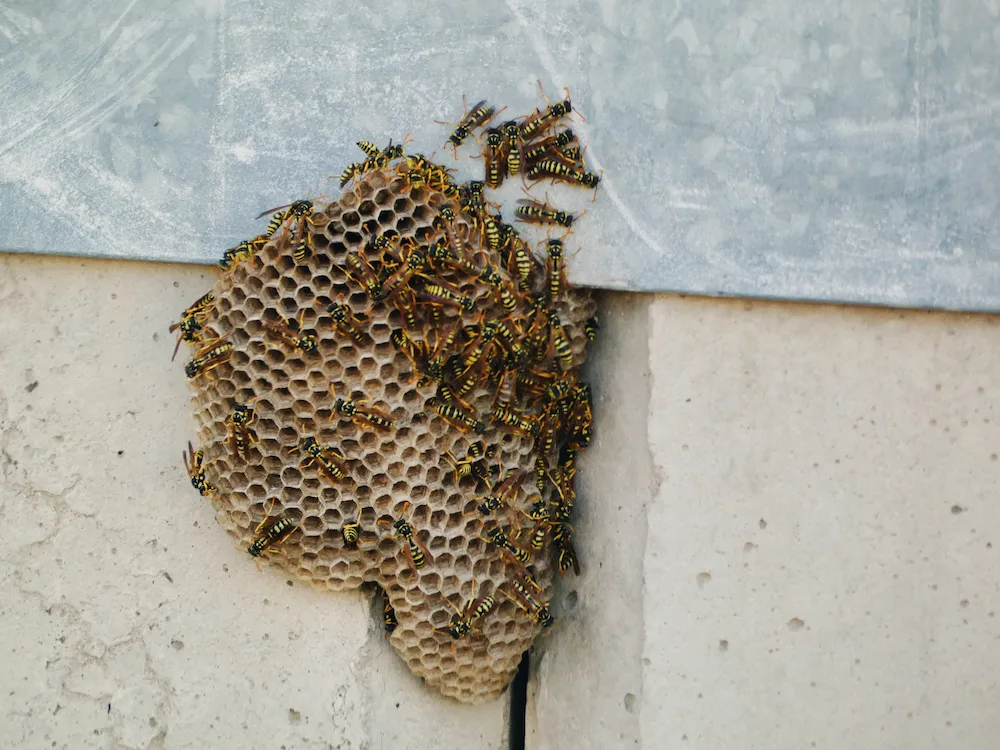
Stinging insect nests can escalate from a minor nuisance to a serious safety concern quickly. Multiple stings can be dangerous, especially for individuals with allergies.
If a nest is located near your home, entryways, or high traffic areas, professional pest control is the safest option. Experts can properly identify the insect, remove the nest, and help prevent future problems.
Stay safe around stinging insects
Knowing the difference between yellow jackets and hornets helps you respond with confidence. While both can be aggressive, understanding their behavior and nesting habits allows you to avoid risks and take the right precautions.
If you are unsure what you are dealing with, it is always better to stay cautious and seek professional guidance rather than risk disturbing an active nest. Contact us for a free quote on our professional services today!
Citations
Talabac, M. (2026, February 2). Social wasps: Yellowjackets, hornets, and paper wasps. University of Maryland Extension. Available at https://extension.umd.edu/resource/social-wasps-yellowjackets-hornets-and-paper-wasps/ (Accessed on April 20, 2026).