
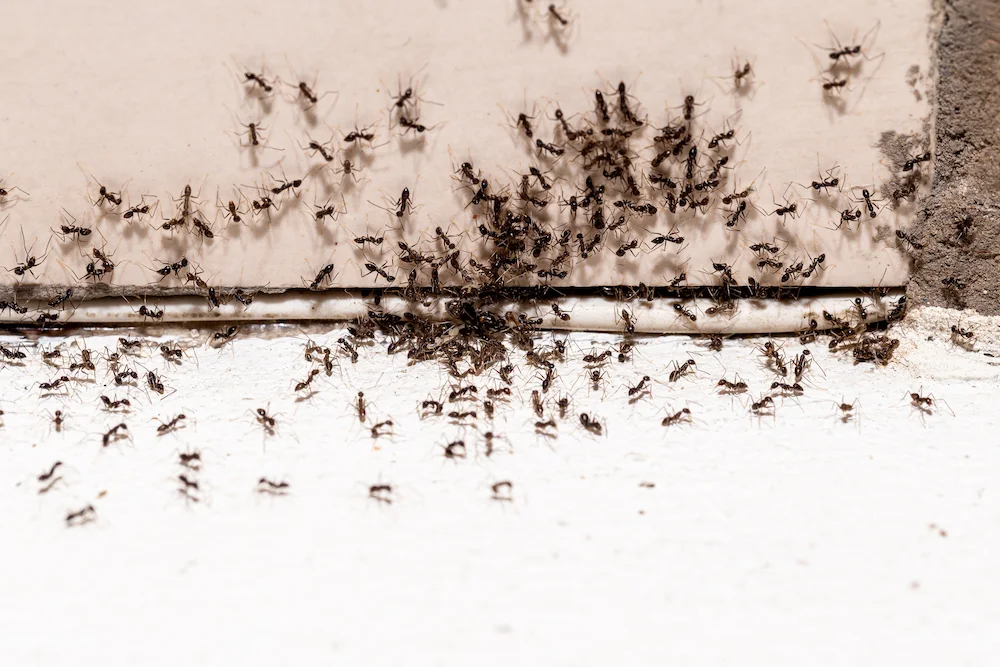
Summary: Ants can enter homes through foundation cracks, worn door seals, window gaps, utility penetrations, garages, and openings higher on the structure. This article explains where homeowners should inspect and how to make frequently used ant routes less accessible.
Ants do not need an open door to find their way inside. A hairline crack along the foundation, a worn seal beneath a doorway, or a small opening around a plumbing line can provide more than enough room for worker ants to pass through. Once one ant discovers food, water, or another useful resource indoors, it can leave a chemical trail that helps other workers follow the same route.
Understanding the common ant entry points around a home makes prevention much more practical. Instead of focusing only on the ants crawling across a countertop, homeowners can trace the problem back to the exterior and identify the small structural openings that made the indoor trail possible in the first place.
Start Where the House Meets the Ground
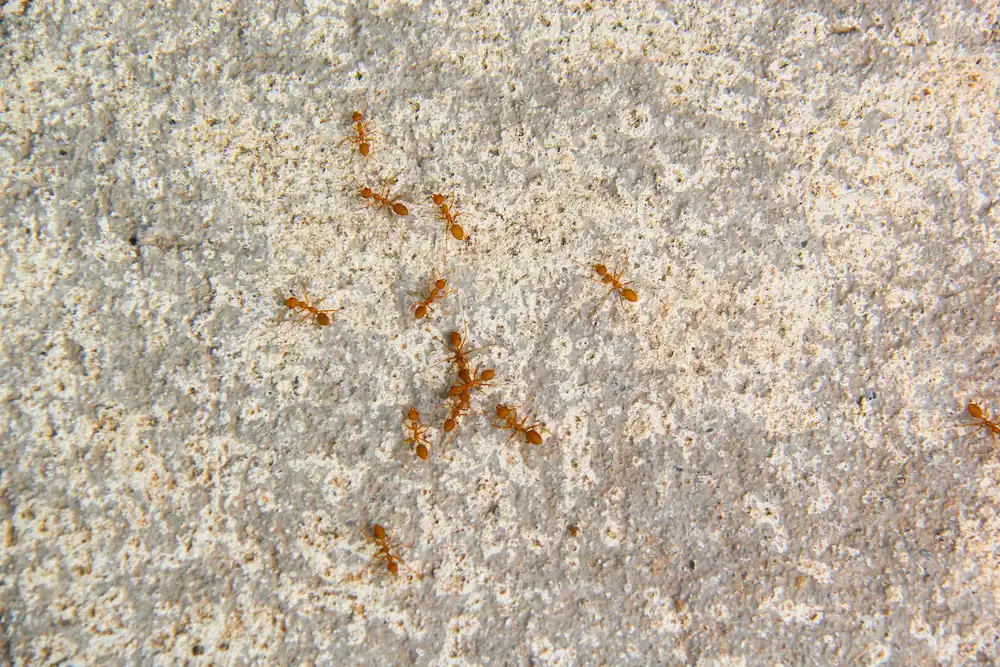
The foundation is one of the first places worth inspecting because ants living in surrounding soil and landscaping are already operating close to the structure. As workers forage, they naturally explore foundation edges, expansion joints, and places where different construction materials meet.
Small cracks caused by settling can provide access to protected areas within the structure. Ants coming through cracks may travel through wall voids or beneath flooring before eventually emerging around baseboards, cabinets, or other interior openings. This can make the place where ants appear indoors quite different from the place where they originally entered.
Let the Ant Trail Show You Where to Look
If ants repeatedly appear along the same baseboard or corner, resist the urge to immediately wipe away every worker. Watching the trail briefly can provide useful clues about the route they are using.
Then check the corresponding exterior area. Look closely at foundation joints, cracks, gaps between building materials, and openings around nearby landscaping. Following the trail backward can reveal an entry point that would be difficult to find during a general inspection.
Doorways Develop Tiny Openings Over Time
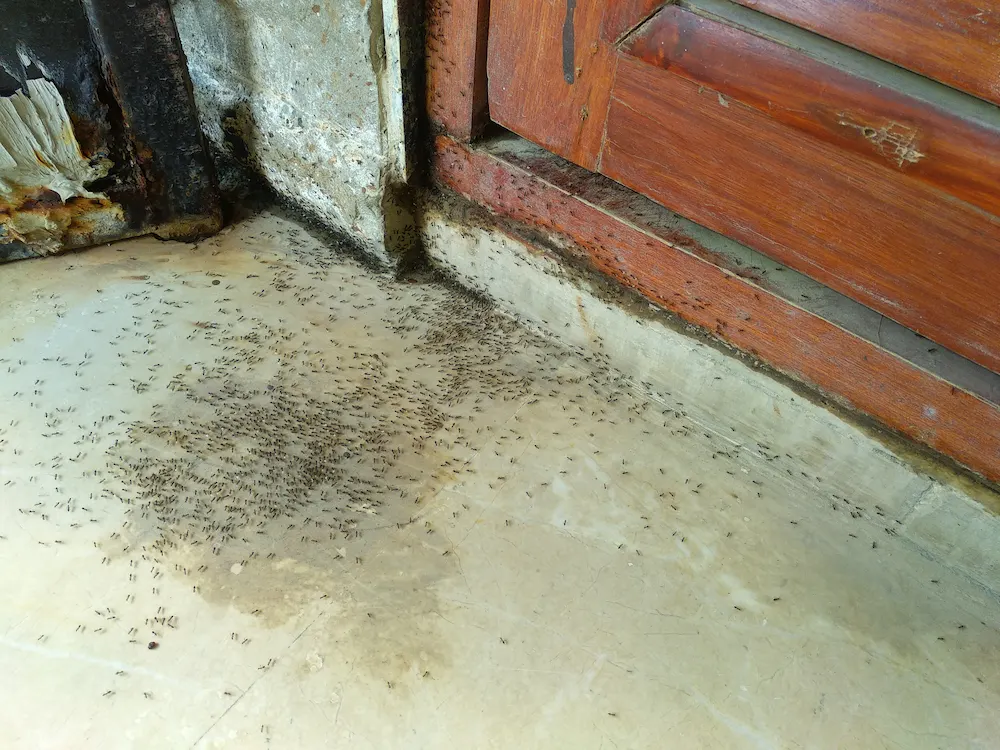
Exterior doors may look completely closed while still leaving enough room for ants. Weather stripping compresses with age, door sweeps wear down, frames shift slightly, and seals can separate at the corners.
These changes make ant entry points around doors particularly easy to overlook. Patio doors, garage entry doors, and frequently used exterior doors deserve extra attention because they experience regular wear.
Sliding glass doors can create their own opportunities. Dirt and debris collect in tracks, while small spaces may develop where the track meets the frame or exterior wall. Keeping tracks clean makes it easier to see both ant activity and areas where seals may need repair.
Windows Are Not Just an Entry Point for Flying Pests
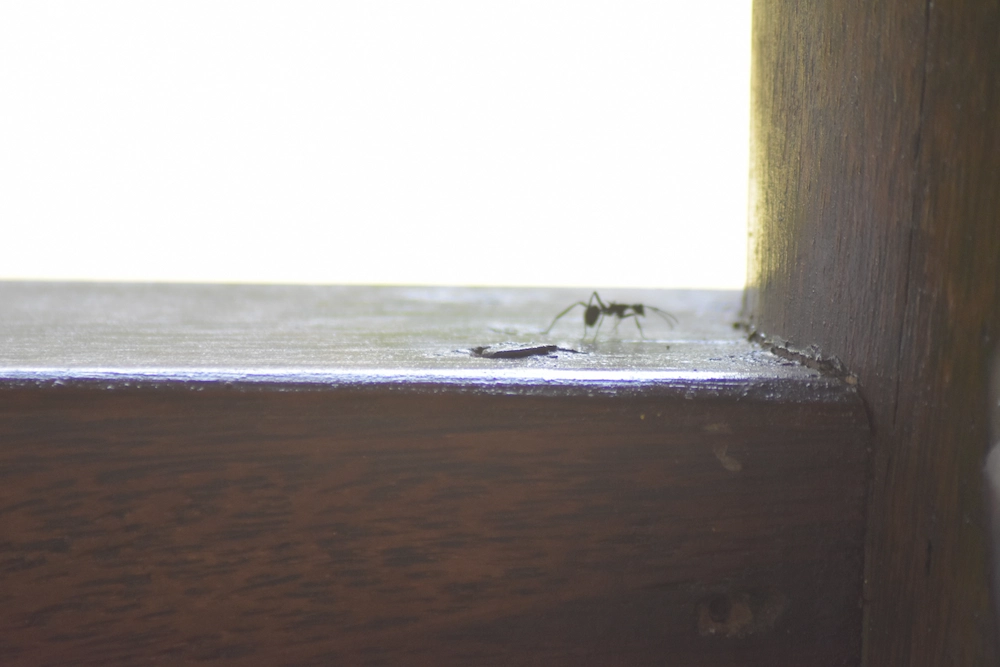
Windows usually get attention when homeowners are trying to keep flies or mosquitoes outside, but ants can use them too. Workers can climb exterior walls, follow utility lines, or move through nearby vegetation until they reach openings around a window.
Old or deteriorating caulk around the frame can leave narrow gaps that lead toward interior wall spaces. Ants may also enter around trim or other areas where construction materials have separated.
Check the Landscaping Outside the Window
Sometimes the problem is not the window itself. A shrub, vine, or tree branch touching the structure can provide ants with a convenient bridge from the landscaping to the home.
Trimming vegetation away from exterior walls and windows removes some of these routes. It also makes the perimeter easier to inspect, which helps homeowners notice trails before they extend indoors.
Plumbing and Utility Lines Can Become Common ant entry points
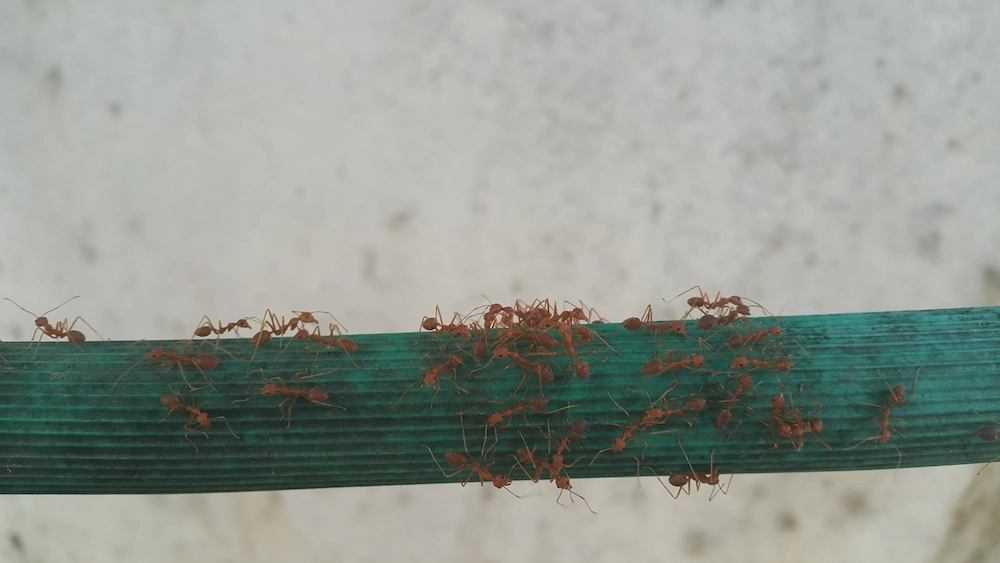
Homes need openings for water lines, electrical wiring, air-conditioning components, cable connections, and other utilities. These penetrations are normally sealed during construction, but materials can deteriorate or gaps can develop over time.
Because many of these openings are behind appliances, utility boxes, cabinets, or outdoor equipment, they are not areas homeowners inspect frequently. Ants do not need much space, so even a small gap around a pipe may be enough.
Plumbing penetrations can be particularly attractive because they may lead toward kitchens, bathrooms, and laundry areas where moisture is available. When homeowners wonder how ants get inside homes despite keeping doors and windows closed, these less-obvious routes are worth checking.
Persistent trails may require more than sealing the first opening you find. Green Mango’s ant control services can help address ant activity by looking for the nesting and access conditions behind recurring infestations.
The Garage Can Quietly Become the First Stop Indoors
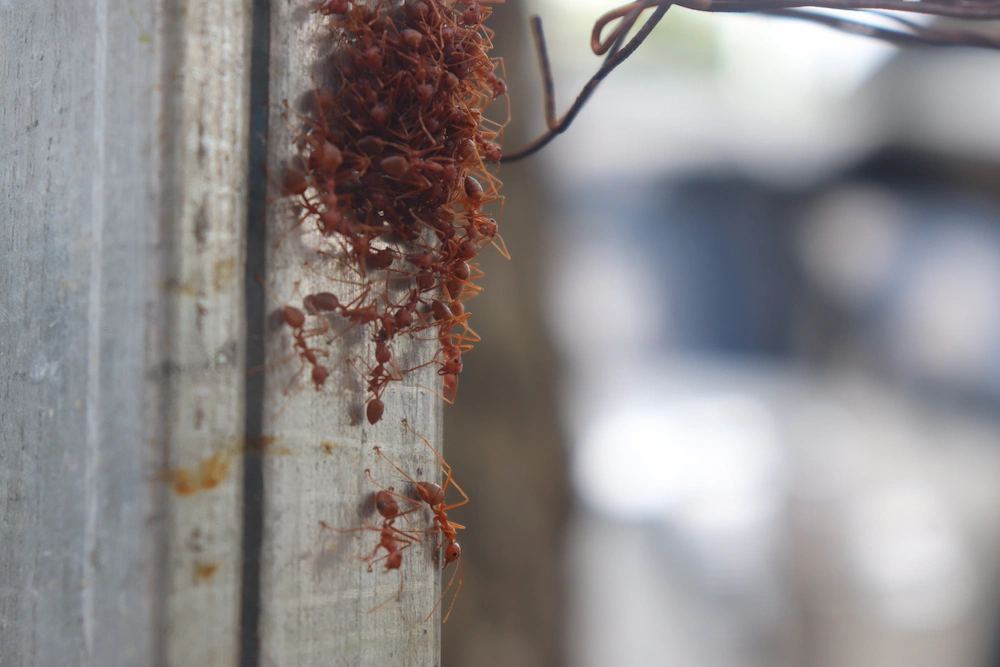
Garages sit in an unusual position between the yard and the living space, which makes them particularly important when tracing ant activity. The large garage door requires a long seal against the ground, and small worn sections can create opportunities for crawling pests.
Garages may also contain resources that encourage ants to keep exploring. Pet food, recycling, garbage containers, stored pantry products, or moisture around appliances can all provide something useful once ants get inside.
From there, ants may find additional gaps leading into interior rooms. Understanding where ants enter a house means checking these transitional spaces instead of assuming the kitchen or bathroom is always the original point of entry.
Some Ant Routes Begin Above Eye Level
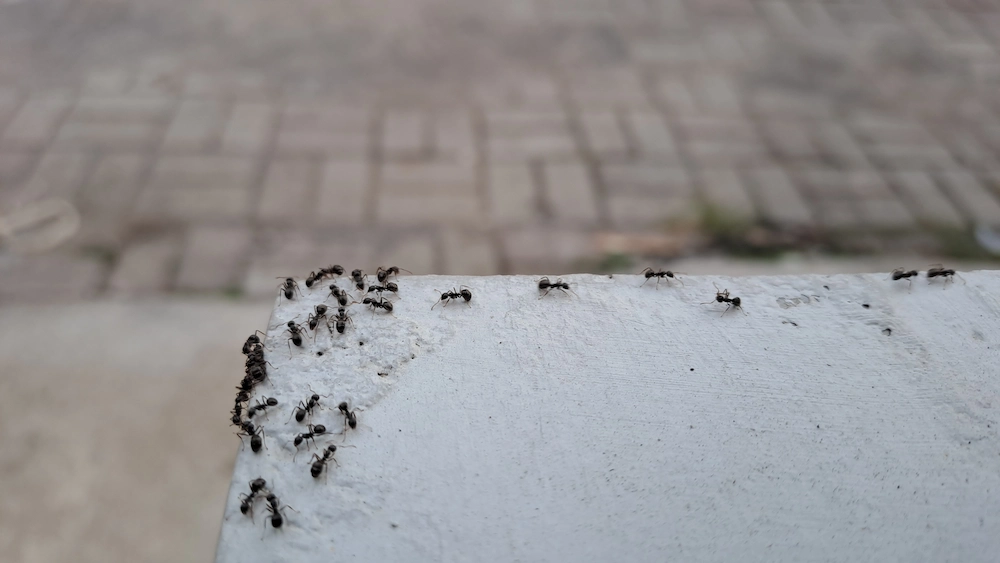
Most homeowners look down when searching for ants, but not every trail begins near the floor. Ants are capable climbers and can travel along walls, fences, tree branches, utility lines, and other elevated surfaces.
That can bring them close to fascia boards, vents, exterior fixtures, rooflines, and second-story windows. Damaged materials or unintended gaps in these areas may provide access to protected spaces inside the structure.
If ants repeatedly appear upstairs without an obvious trail downstairs, inspecting higher exterior areas may provide an explanation. Ventilation openings should not simply be sealed shut, but damaged screening and unintended gaps can be repaired appropriately.
Why Ants Choose One Tiny Gap Over Another
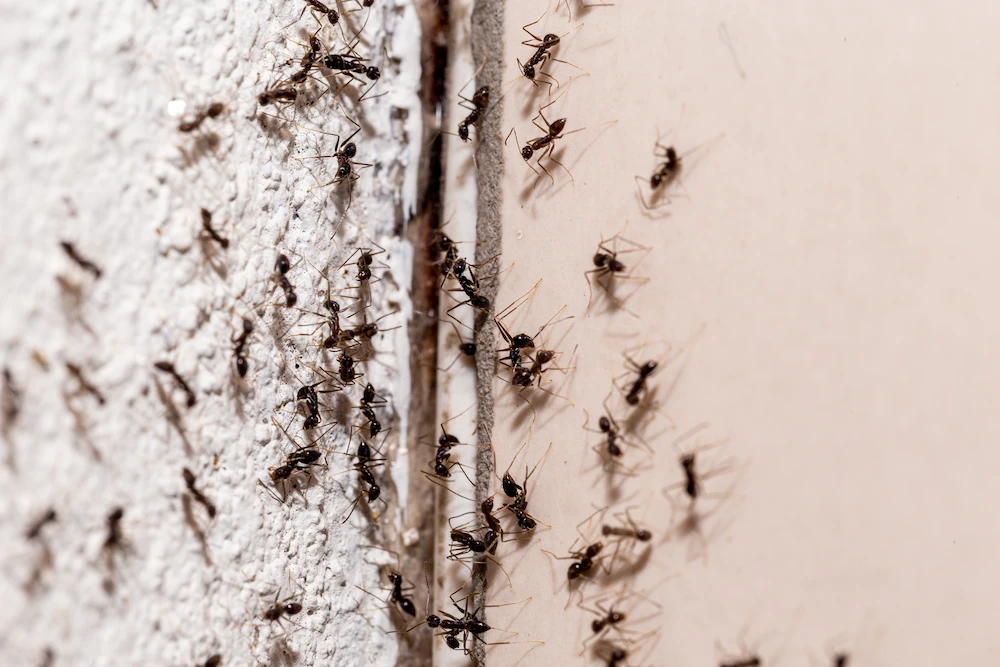
A house may have dozens of openings small enough for an ant, yet only one or two become active routes. The reason usually has less to do with the opening itself and more to do with what the ants find after passing through it.
Food residue, moisture, pet food, and other resources can reward exploring workers. Outside, irrigated landscaping and other favorable conditions can keep colonies active close to the structure. When an ant finds a dependable resource indoors, recruitment can turn an occasional visitor into an established trail.
This is why sealing gaps works best alongside sanitation and moisture management. Closing an opening removes one route, while reducing attractants gives ants fewer reasons to search aggressively for another.
Turn an Active Trail Into an Inspection Map
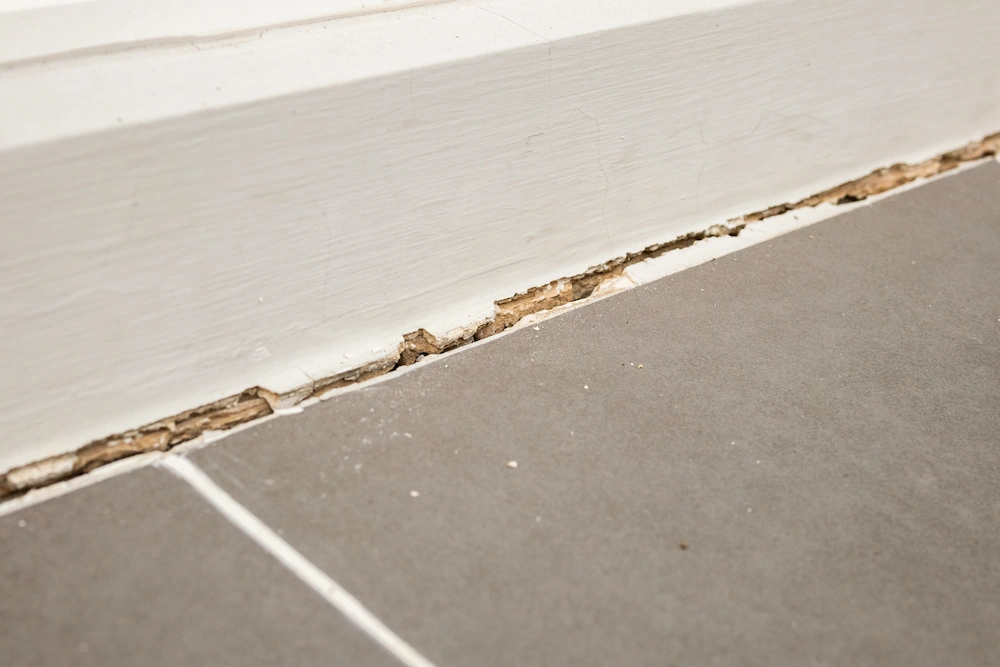
An indoor ant trail is frustrating, but it also provides information. Instead of treating every sighting as an isolated event, use the direction of the trail to narrow down where ants may be crossing into the structure.
During your inspection, focus on:
- Foundation cracks and construction joints
- Worn weather stripping and door sweeps
- Gaps around pipes, cables, and utility penetrations
- Deteriorated caulk around windows and exterior trim
- Vegetation touching walls, windows, or rooflines
After finding a likely route, look at what is happening on both sides of it. An opening beside a leaking irrigation line deserves more attention than a dry crack with no visible ant activity. The combination of access and nearby resources is often what keeps a trail active.
Make the Perimeter Harder for Ants to Explore

Good Arizona ant prevention starts outside. Periodically walking around the property can reveal changes that are easy to miss from indoors, including deteriorating seals, new foundation cracks, overgrown landscaping, or moisture collecting near the structure.
Pay particular attention after home repairs, landscaping work, or changes to irrigation. Small alterations around a property can create new pathways or change where ants forage.
Keeping the perimeter maintained will not eliminate every ant from an Arizona yard, nor should that be the expectation. The goal is to make the transition from outside to inside much more difficult.
Break the Route, Not Just the Trail
Learning how to stop ants from entering your home requires looking beyond the line of workers you can see. That trail is the end result of a process that may have started outdoors, continued through a structural opening, and eventually led ants toward a dependable indoor resource.
Cleaning the trail is useful, but the bigger opportunity is identifying why ants chose that route. Seal appropriate cracks, replace damaged weather stripping, correct moisture problems, and remove food sources that reward indoor foraging.
If ants continue returning after obvious entry points and attractants have been addressed, Green Mango’s pest control services can help evaluate activity around the home and determine whether nearby nesting areas or less-visible access points are contributing to the problem. Contact us for a free quote on our efficient services today!
Citations
How do ants get inside the house?. (n.d.). Terro. Retrieved August 10, 2026, from https://www.terro.com/articles/how-do-ants-get-inside-the-house?srsltid=AfmBOormra572sjiLBHxcst1eT6S6YDZtQzjgyoxkINnwqvssCLDVlB2