
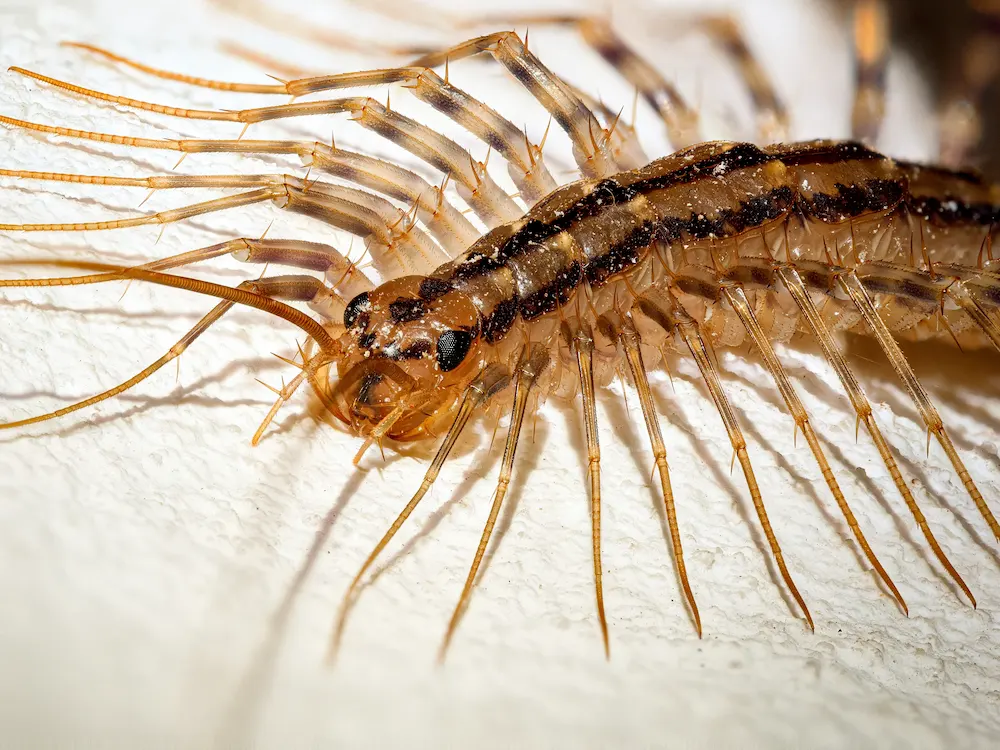
Summary: This article explains how house centipedes survive in the desert climates by hiding in cool, damp areas around homes and yards. It covers common outdoor hiding spots, moisture related pest activity, and practical prevention tips for Arizona homeowners.
Why house centipedes can survive dry climates
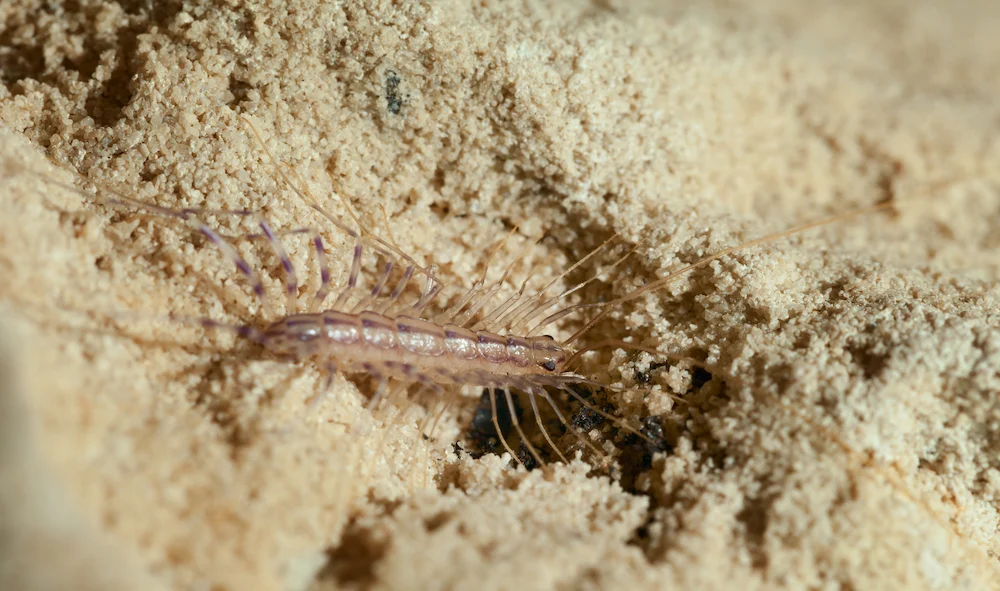
At first glance, deserts may seem too dry for moisture dependent pests to survive. However, house centipedes in the desert are surprisingly adaptable and capable of finding cool, damp hiding spots that support their survival.
Even in arid regions, irrigation systems, shaded landscaping, pools, and outdoor clutter create pockets of moisture that centipedes rely on. These protected environments help them avoid dehydration and remain active throughout warmer months.
How House centipedes survive in the desert climates
Moisture is the key to survival
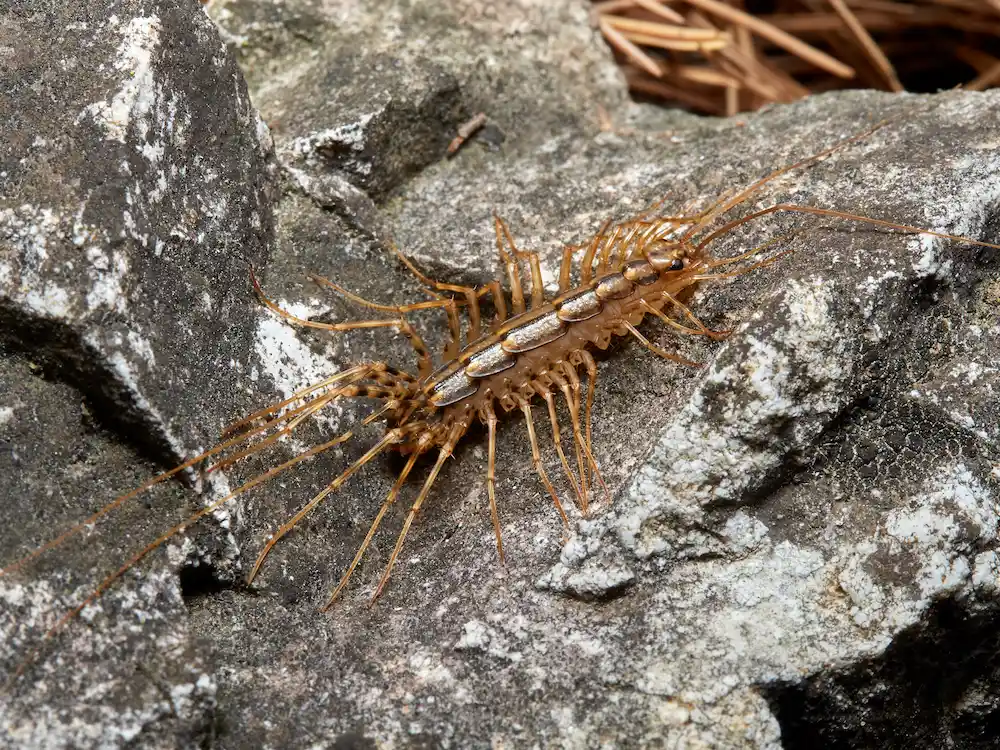
One of the biggest factors in how do centipedes survive in dry climates is their ability to seek out hidden moisture sources. House centipedes lose water quickly, so they stay close to damp environments whenever possible.
In desert areas, this often means hiding near leaking irrigation lines, shaded garden beds, or underneath objects that trap humidity. Even small amounts of retained moisture can create suitable conditions for survival.
They avoid direct sunlight and heat
Centipedes are nocturnal and prefer dark, protected spaces. During the hottest parts of the day, they retreat into cool hiding areas to avoid drying out.
This behavior is especially important in desert environments where surface temperatures can become extreme. By staying hidden during daylight hours, centipedes conserve moisture and reduce exposure to heat.
Where house centipedes hide outdoors
Under pools, rocks, and outdoor objects
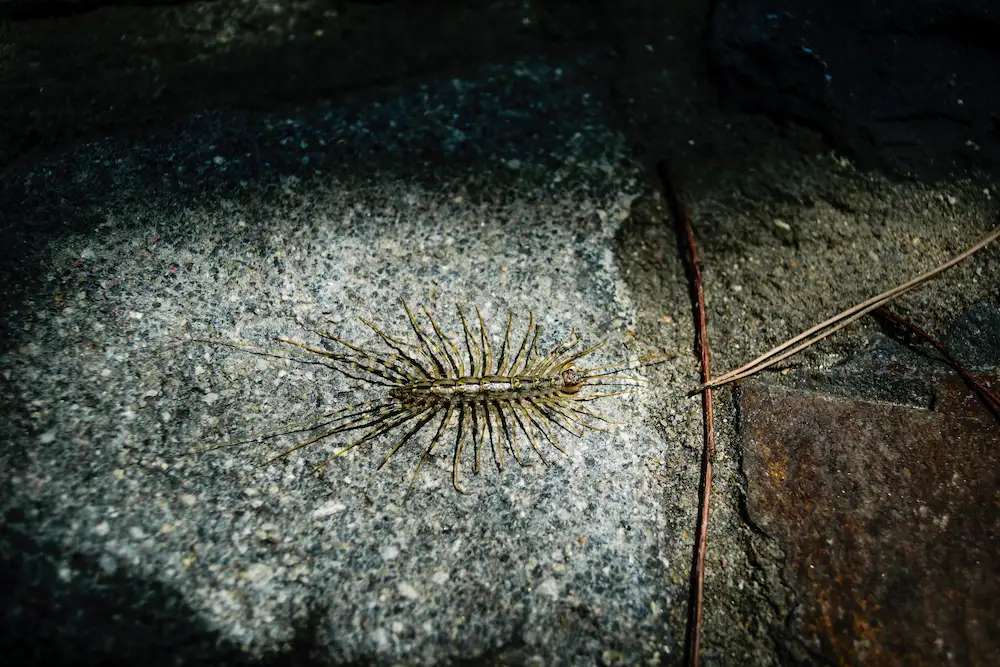
Many homeowners are surprised by where do house centipedes hide outdoors. In Arizona landscapes, they commonly shelter beneath pool equipment, decorative rocks, potted plants, wood piles, and outdoor furniture.
These shaded areas trap moisture and stay cooler than exposed ground. You may also find centipedes hiding under objects in yard spaces that are rarely moved or cleaned underneath.
Around irrigation systems and mulch
Drip irrigation systems and overwatered landscaping create ideal conditions for centipedes. Moist soil combined with organic material gives them both shelter and access to prey insects.
Mulch beds are another common hiding area because they retain moisture long after surrounding soil dries out. If centipedes are repeatedly appearing near your home, inspecting these damp areas is a smart place to start.
Desert pests that hide in moisture
Why moisture attracts multiple pests
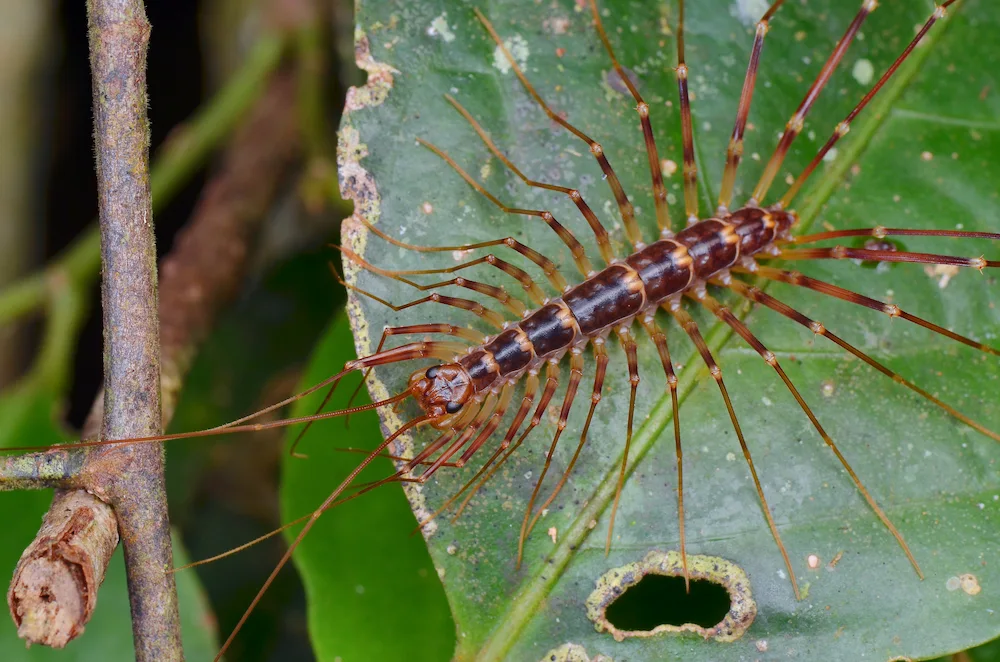
Centipedes are not the only desert pests that hide in moisture. Cockroaches, earwigs, scorpions, and certain spiders also seek out cool, damp spaces to survive Arizona heat.
Because these pests often share the same hiding spots, finding centipedes outdoors may indicate that other pest activity is nearby as well.
Centipedes hunt other insects
House centipedes are predators that feed on insects and other small pests. Their presence can sometimes signal an underlying pest issue providing them with a food source.
If you notice increasing centipede activity around your property, it may be worth checking for other insects hiding in the same damp environments.
House centipede behavior in arid environments
Why they sometimes move indoors
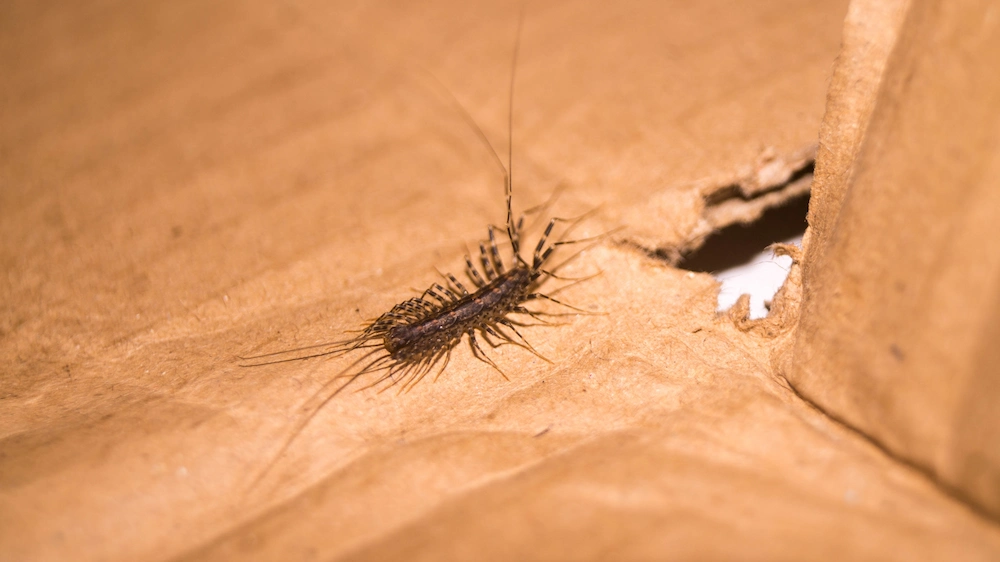
Understanding house centipede behavior in arid environments helps explain why they occasionally enter homes. During extreme heat or dry conditions, indoor spaces may provide better humidity and shelter.
Bathrooms, laundry rooms, garages, and kitchens are common indoor areas where centipedes appear because they offer moisture and cooler temperatures.
Seasonal activity patterns
Centipede activity often increases during warmer months when pest populations grow and outdoor irrigation becomes more frequent. Monsoon season can also drive them into homes as they search for new shelter.
While they are generally harmless to humans, frequent sightings indoors may indicate excess moisture or hidden pest activity that should be addressed.
How to reduce centipede activity around your home
Eliminate excess moisture
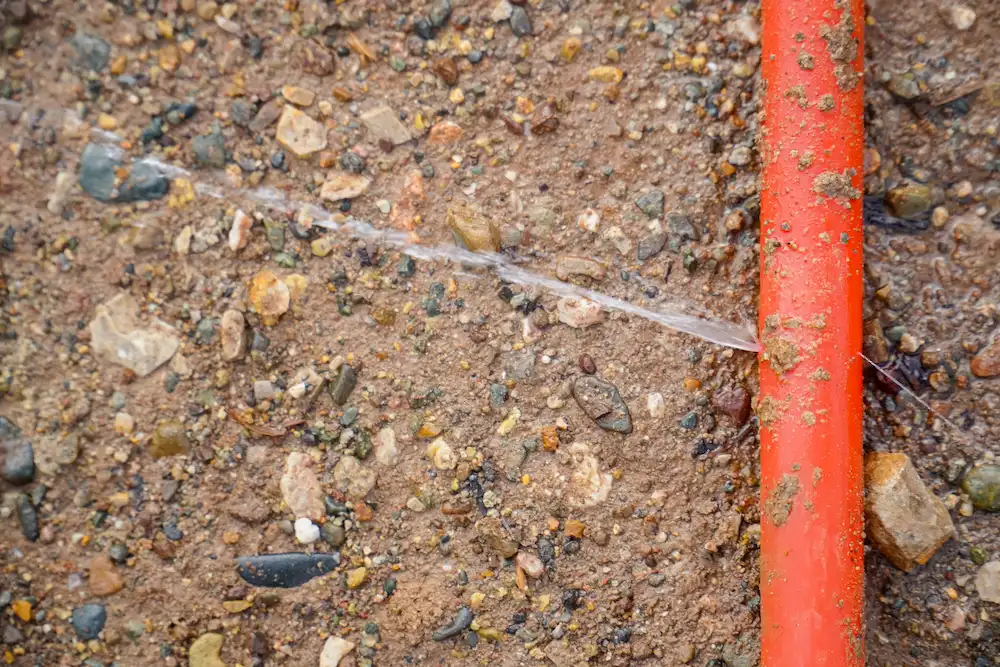
Reducing moisture is one of the most effective ways to discourage centipedes. Repair leaking hoses, avoid overwatering landscaping, and improve drainage around your property.
Pay close attention to shaded areas where water collects or evaporates slowly. Keeping these spaces dry makes them less attractive to pests.
Reduce outdoor hiding spots
Move debris away from the foundation and regularly inspect areas beneath outdoor furniture, pool equipment, and decorative items.
Limiting shelter areas helps reduce both centipedes and the insects they feed on, creating a less inviting environment overall.
Keep desert centipedes under control
House centipedes are highly adaptable pests that know how to survive even in harsh desert conditions. By understanding where they hide and what attracts them, homeowners can take steps to reduce activity before it becomes a larger issue.
A proactive approach focused on moisture control and habitat reduction can go a long way toward keeping centipedes and other desert pests away from your home. Contact us for a free quote on our preventative services today!
Citations
How to control & prevent centipedes. (n.d.). Scott’s Miracle Gro. Retrieved May 15, 2026, from https://scottsmiraclegro.com/en-us/learn/home-patio/how-to-control-prevent-centipedes.html