
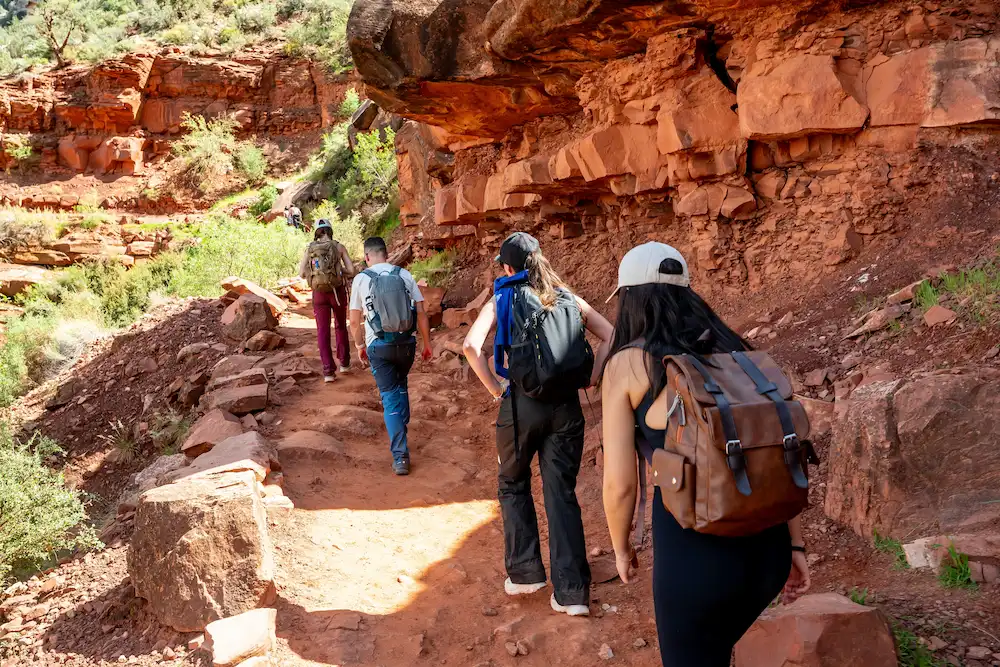
Summary: This article explains how to avoid pests while hiking by identifying common hiking pests, using repellents correctly, and following practical prevention strategies. It also covers tick prevention, insect awareness, and safety tips for a more enjoyable outdoor experience.
Why pest awareness matters on the trail

Spending time outdoors is one of the best ways to enjoy nature, stay active, and explore new environments. However, hiking also puts you in direct contact with a variety of insects and other pests that live in forests, grasslands, deserts, and mountainous areas.
Learning how to avoid pests while hiking can make your outdoor adventures safer and more enjoyable. A few preventative measures can significantly reduce your chances of dealing with bites, stings, or unwanted encounters while on the trail.
Common hiking pests you may encounter
Mosquitoes
Mosquitoes are among the most common pests hikers encounter, especially near lakes, streams, wetlands, and shaded areas with standing water. They are most active during early morning and evening hours when temperatures are cooler.
Beyond being annoying, mosquitoes can leave itchy bites that linger long after your hike ends. Areas with recent rainfall or high humidity often experience increased mosquito activity.
Ticks
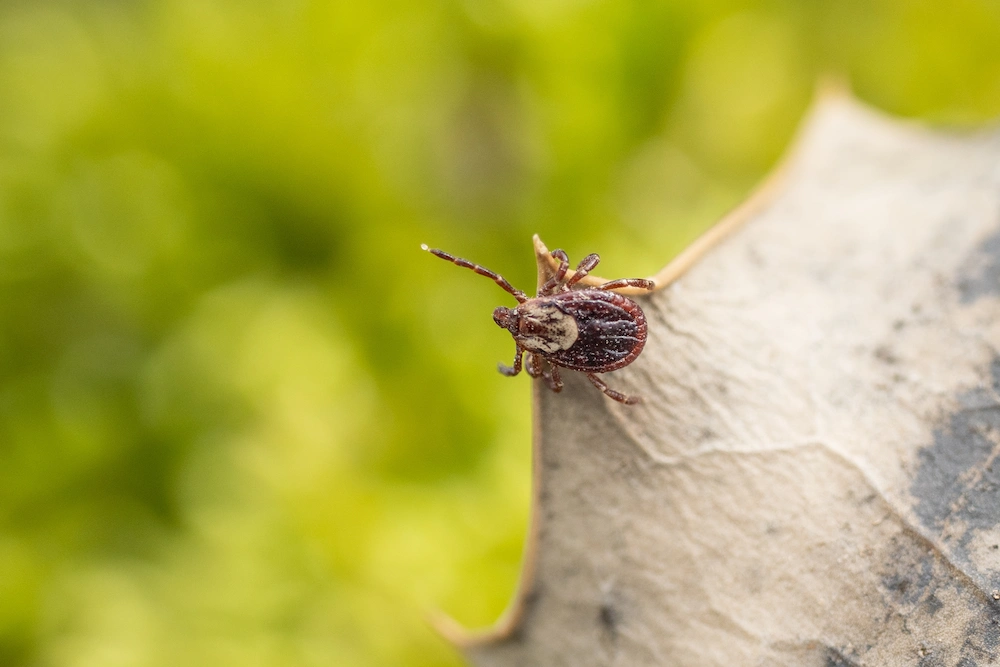
Ticks are another major concern for outdoor enthusiasts. These small parasites wait on tall grass, brush, and low vegetation until a person or animal passes by.
Proper tick prevention while hiking is important because ticks can remain attached for hours before being noticed. The sooner they are detected and removed, the lower the risk of potential health concerns.
Stinging insects
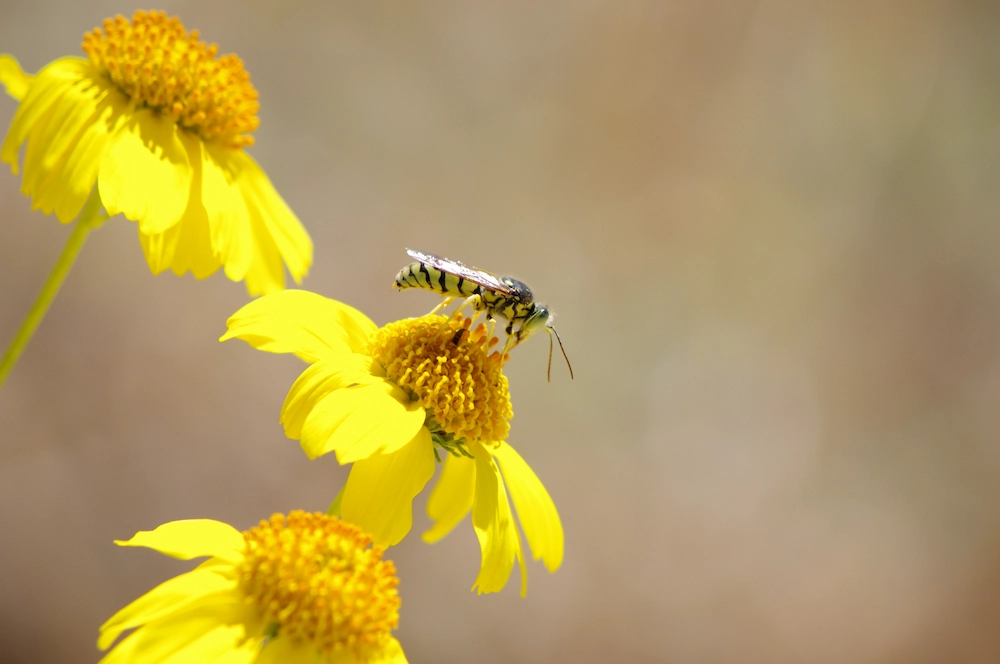
Bees, wasps, yellow jackets, and hornets are frequently found near flowering plants, wooded areas, and picnic spots. While most are not aggressive unless threatened, accidental encounters can result in painful stings.
Hikers should remain alert when walking near flowering vegetation or areas where insects appear to be gathering in large numbers.
Biting flies and gnats
Many trails also contain biting flies, gnats, and other flying insects that can become especially active during warmer months. These pests often swarm around exposed skin and can make hiking uncomfortable.
Understanding the common hiking pests in your area can help you prepare appropriately before heading outdoors.
How to keep insects away while hiking

Dress strategically for protection
Your clothing can serve as the first line of defense against insects. Lightweight long sleeves, long pants, and closed-toe footwear help reduce exposed skin and limit opportunities for bites.
Light-colored clothing can also make it easier to spot crawling pests such as ticks before they attach. Tucking pant legs into socks may not be fashionable, but it can be effective in tick-prone areas.
Use insect repellents correctly
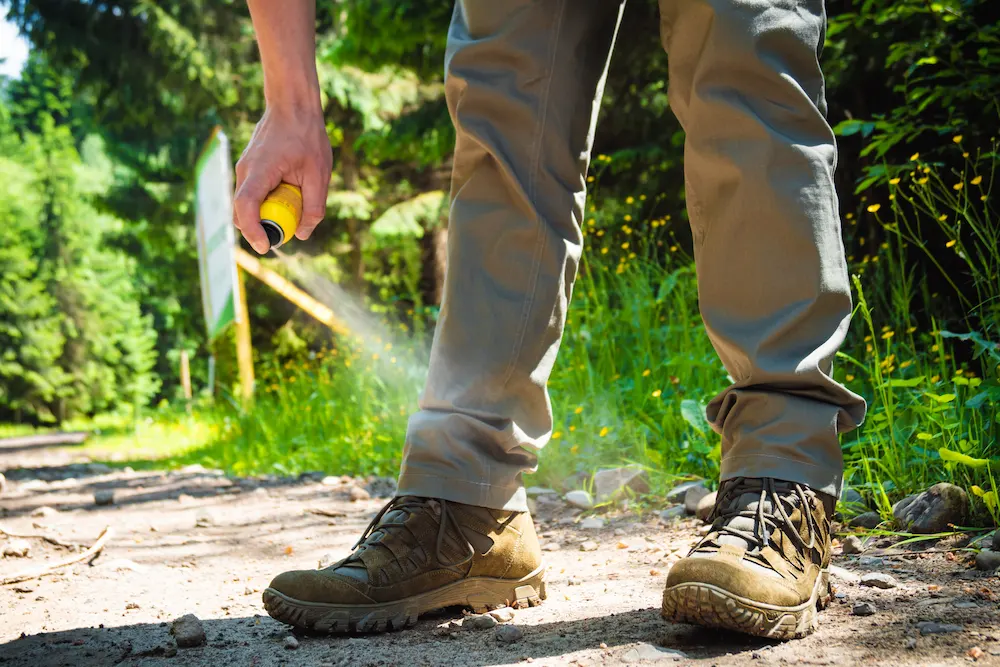
One of the best ways to learn how to keep insects away while hiking is by using insect repellents properly. Apply products according to label instructions and reapply when necessary during longer hikes.
Repellents provide an additional layer of protection when combined with appropriate clothing and trail awareness.
Bugs to watch out for while hiking

Watch where you step and sit
Many hikers focus on flying insects while overlooking pests that remain hidden on the ground. Some of the most important bugs to watch out for while hiking include ants, ticks, spiders, and stinging insects that may nest near trails.
Avoid sitting directly on logs, rocks, or dense vegetation without checking the area first. These locations often provide shelter for insects and other pests.
Stay alert around water and vegetation
Mosquitoes, flies, and gnats are often more active near water sources and heavily vegetated areas. If possible, keep moving through these zones rather than lingering for extended periods.
Maintaining awareness of your surroundings can help reduce unexpected encounters and improve overall comfort on the trail.
Tick prevention while hiking
Stay on established trails
Ticks are most commonly found in tall grass, brush, and overgrown vegetation. Staying in the center of marked trails helps minimize contact with areas where ticks wait for passing hosts.
Avoid brushing against plants whenever possible, particularly in wooded or grassy environments where tick activity is known to be high.
Perform a post-hike inspection
After every hike, conduct a thorough inspection of your clothing, gear, and body. Check areas such as ankles, behind knees, waistbands, and under arms where ticks commonly attach.
Prompt inspections are one of the most effective forms of tick prevention while hiking and can help identify problems before they become more serious.
Hiking bug repellent tips for better protection
Choose the right repellent
Following effective hiking bug repellent tips starts with selecting a product designed for outdoor use. Different repellents offer varying levels of protection depending on the environment and pest pressure.
Consider factors such as trail conditions, weather, and expected pest activity when choosing a repellent for your hike.
Reapply when necessary
Many hikers apply repellent before leaving and assume they are protected all day. However, sweating, water exposure, and extended outdoor activity can reduce effectiveness over time.
Following label directions and reapplying as needed helps maintain consistent protection throughout your adventure.
Additional ways to reduce pest encounters

Avoid heavily infested areas
If local reports indicate high mosquito or tick activity in a particular area, consider choosing an alternative trail or hiking during times when pest activity is lower.
Early planning can help you avoid conditions that increase the likelihood of bites and stings.
Keep food secured
Food and sugary beverages can attract insects, particularly bees and wasps. Keep snacks sealed when not in use and clean up food waste promptly.
Reducing attractants helps minimize encounters with pests that may be drawn to scents and leftovers.
Enjoy the outdoors with fewer pest problems
Pests are a natural part of outdoor environments, but they do not have to ruin your hiking experience. By understanding common hiking pests, using proper repellents, and staying aware of your surroundings, you can significantly reduce the risk of bites and stings.
With a little preparation and a few smart habits, you can spend more time enjoying the trail and less time worrying about unwanted pests. To keep your home pest-free in between hikes, contact us for a free quote on our efficient services!
Citations
Heading outdoors? Tips to stay safe. (2025, October 2). Neighborhood Outreach Access to Health. Retrieved June 19, 2026, from https://noahhelps.org/heading-outdoors-tips-to-stay-safe/