
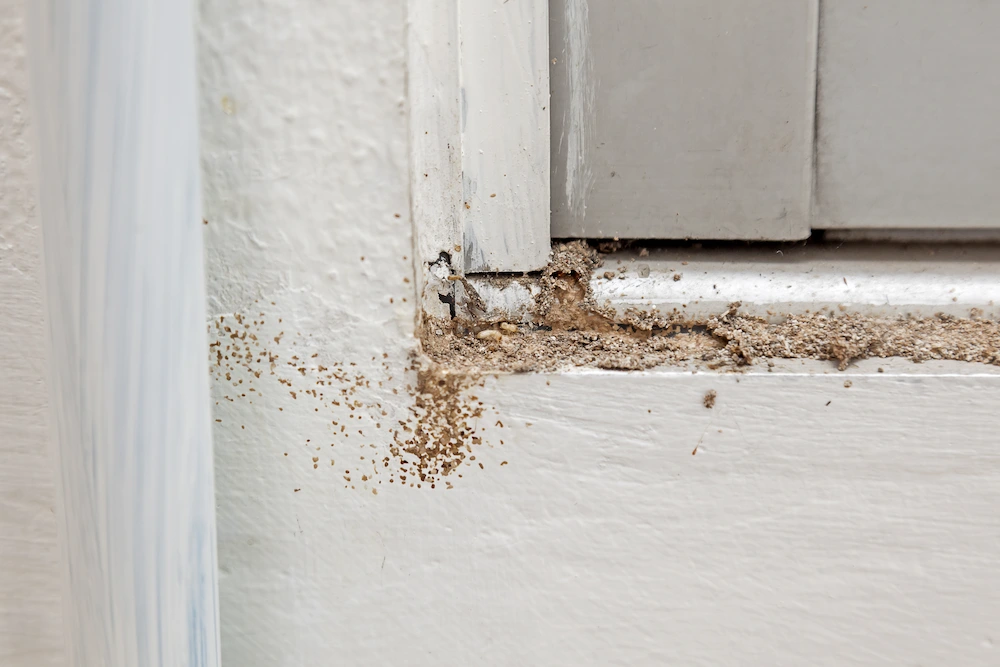
Summary: Foundation cracks, wood to soil contact, and gaps around siding and utility lines all give termites hidden access to Arizona homes. This guide covers the entry points homeowners most often overlook and how to seal them.
Termites rarely announce themselves. By the time most homeowners around Chandler and the greater Phoenix area notice a problem, a colony has often been feeding quietly for months, sometimes years, through an entry point that was never obvious in the first place. Knowing where to look changes that.
Here are the hidden termite entry points that show up most often around Arizona homes, and what to check for at each one.
Foundation Cracks and Wood to Soil Contact
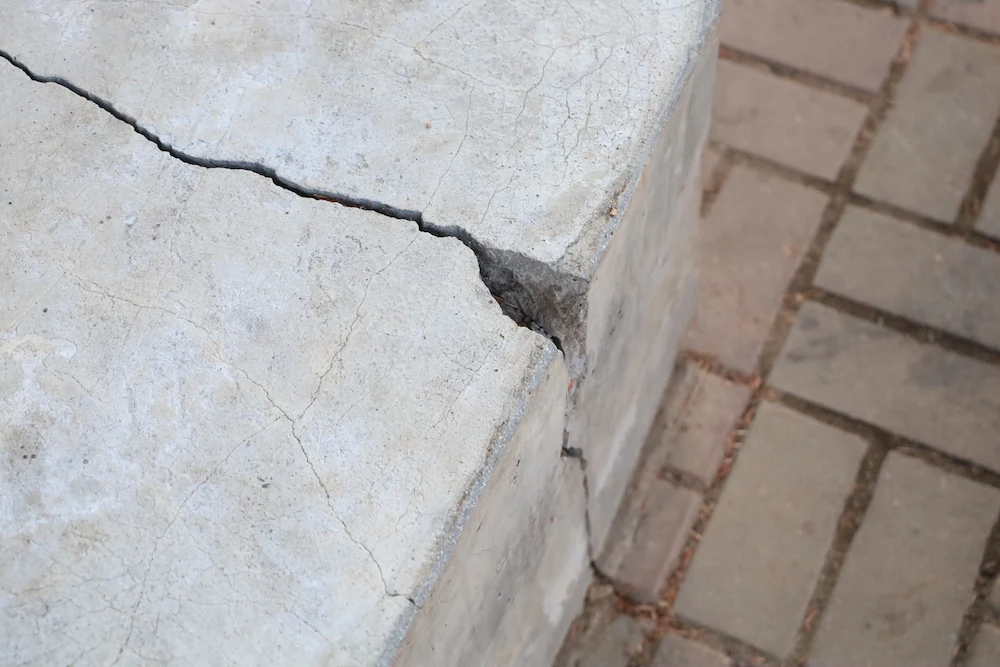
Even a hairline crack in a concrete foundation can give subterranean termites the access they need to reach the wood framing of a house. Arizona’s shifting desert soil makes small foundation cracks fairly common over time, and termites are patient enough to exploit gaps that most homeowners would never think twice about. Walking the foundation perimeter periodically and sealing any new cracks with an appropriate filler removes one of the most direct paths termites use to reach a structure.
Expansive clay soils in parts of the Phoenix area shrink and swell with seasonal moisture changes more than homeowners might expect, and that movement is a major reason foundation cracks reopen even after being patched once. Checking previously repaired cracks during a fall walkthrough, not just looking for new ones, catches this before termites take advantage of a gap that was assumed to be handled.
Any spot where wood directly touches soil, whether that is a fence post, a wooden deck support, or a landscaping timber against the house, gives subterranean termites a direct bridge to a food source without needing to build a mud tube across open air. This is one of the most preventable entry points, since it usually just requires adjusting how landscaping materials are placed.
Irrigation and Drip Systems Play a Role Too
Desert landscaping in Chandler and across the Phoenix area often relies on drip irrigation lines running close to the foundation, and a slow leak in one of these lines can keep soil consistently moist right where termites need it most. Checking irrigation lines for leaks near the house, and adjusting emitters that spray directly against the foundation, removes a moisture source that termites are specifically drawn to in an otherwise dry climate.
Mulch beds sitting directly against the foundation create a similar problem, since organic mulch retains moisture and gives termites a food source of its own in addition to the shelter it provides. Pulling mulch back several inches from the foundation line, and switching to rock or gravel in that immediate strip, removes both issues without changing the overall look of the landscaping.
Gaps in Siding, Stucco, and Utility Penetrations
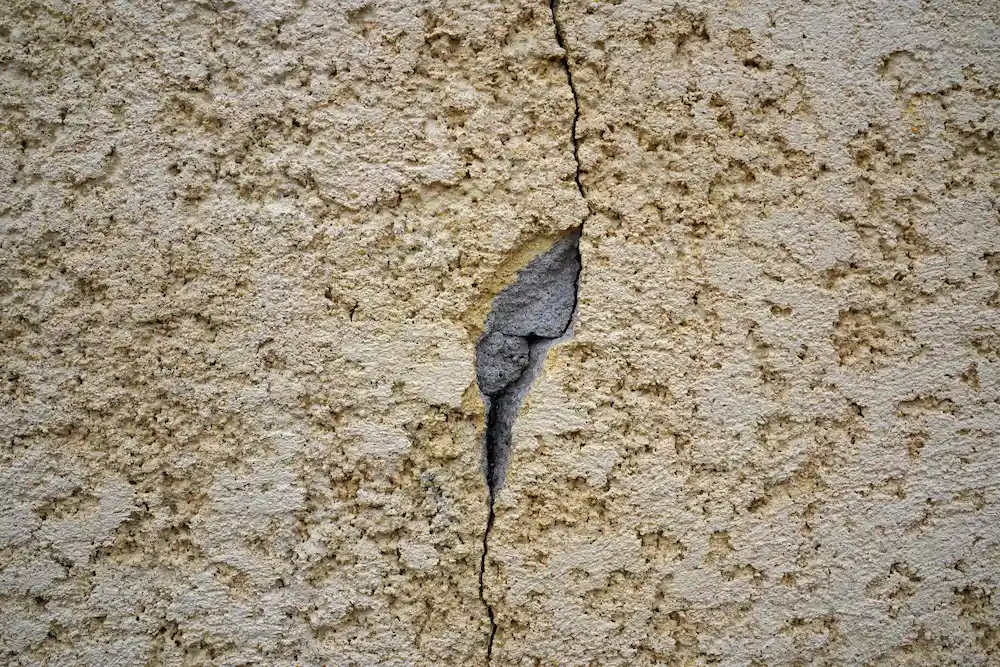
Small gaps where stucco or siding meets the foundation, window frames, or door trim create another common access point. These gaps are often hidden behind landscaping or simply overlooked because they blend into the texture of the exterior finish.
- Where stucco meets the foundation line.
- Around window and door frames.
- Near utility line penetrations through exterior walls.
- At corners where two exterior wall sections meet.
Gaps around pipes, electrical conduits, and other utility penetrations through slab foundations or exterior walls are easy to overlook because they are often hidden behind cabinets, appliances, or landscaping. Termites can use these small gaps to move from soil into a wall void without ever being seen along the way. A termite control inspection can check these penetration points directly, since they are not always visible during a routine homeowner walkthrough.
Attic Vents and Why These Spots Get Missed
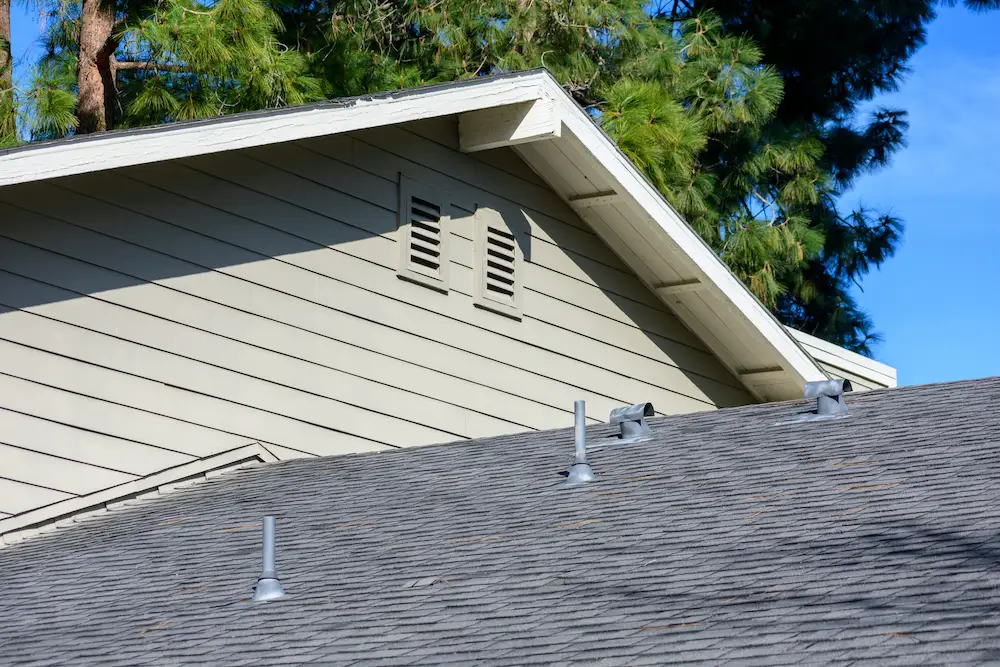
While less common than ground level entry points, gaps around attic vents or roofline trim can allow termites, particularly drywood species, to access a structure well above typical inspection areas. Checking vent screens for damage and making sure roofline trim is properly sealed closes off this less obvious access route.
Most homeowners inspect a house at eye level, looking for obvious damage rather than small gaps that blend into the exterior finish. Termites specifically exploit the gap between what a home looks like on the surface and what is actually structurally sound underneath, which is exactly why professional inspections tend to catch problems that a homeowner walkthrough misses, whether the property is an older Phoenix home or a newer build in Chandler.
Block wall fences, common throughout the Phoenix area, can also hide activity where the wall meets the ground, since termites will sometimes travel along a shared fence line before turning toward a nearby structure. Checking the base of any block wall that runs close to the house is worth adding to a regular inspection routine, particularly on older properties where the original construction may not have included a termite barrier at all.
Detached structures like sheds, casitas, and pool houses are also worth checking on their own, since they are often built with less attention to termite prevention than the main house and can end up serving as a bridge for a colony working its way toward a larger structure nearby. A shed with wood touching soil directly, sitting only a short distance from the main house, is a common and easily overlooked entry point in backyards across the Phoenix area.
Don’t Wait for Visible Damage from hidden termite entry points

By the time termite damage becomes visible on the surface, a colony has often been active underneath for a season or more. Checking the entry points covered here on a regular basis, rather than only after noticing a problem, is what actually keeps a termite issue from becoming an expensive repair.
Homes that have gone several years without any kind of termite inspection are at the highest risk simply because small issues, like a hairline foundation crack or a mulch bed pulled too close to the house, have had more time to turn into an active colony. A fall check is a natural time to fold this into an existing seasonal routine, right alongside irrigation adjustments and general yard cleanup, rather than treating it as a separate task that is easy to keep putting off.
If you suspect termites may already have access to your home through one of these points, Green Mango’s pest control services can arrange an inspection before more damage occurs, and can help pinpoint which of these entry points is the one actually being used.
Even homes without any current signs worth worrying about benefit from knowing which of these entry points exist on their specific property, since foundation age, landscaping choices, and irrigation layout all vary enough from house to house that a generic checklist only goes so far. A property specific look at these details is usually what turns a general awareness of termite risk into an actual prevention plan.
Contact us for a free quote on our targeted termite control services today!
Citations
Webb, D. (2025, July 2). Termite signs in your home. Terminix. Available at https://www.terminix.com/termites/signs/ (Accessed on September 11, 2026).