
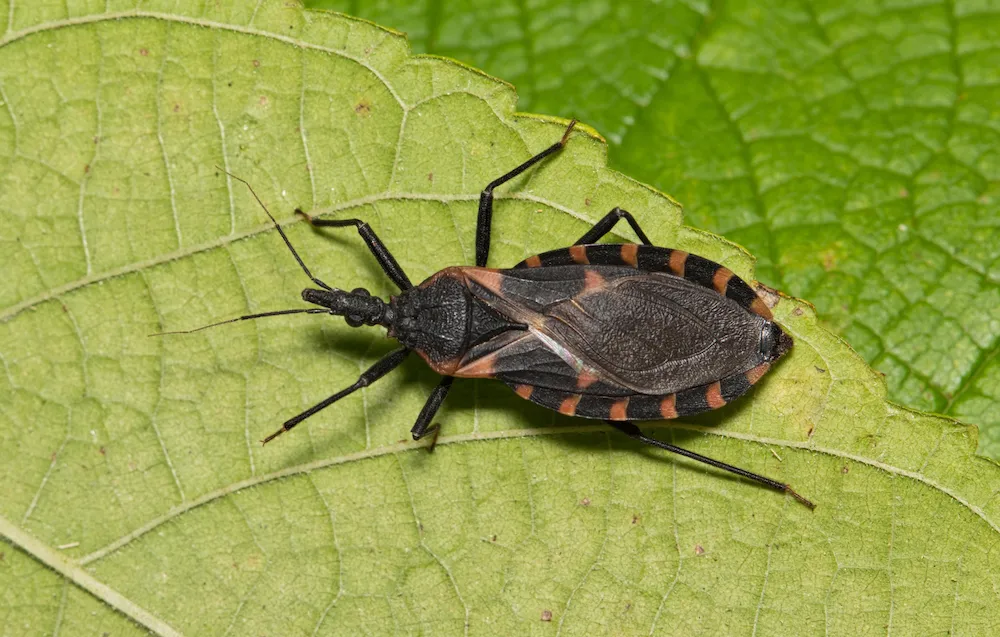
Summary: This post explains what kissing bugs are, why their bites can cause strong reactions, how Chagas disease transmission works, how to tell kissing bugs from bed bugs, and practical steps to keep them out of your home.
Valentine’s Day is supposed to come with sweet surprises. Kissing bugs show up with the opposite: a stealthy midnight “kiss” that can leave itchy welts, trigger serious allergic reactions, and in rare cases play a role in spreading a parasite that causes Chagas disease. If you have ever woken up with a swollen bite near your mouth or eyes and thought, “What even bit me?”, you are not alone.
In Arizona, these insects are more than a creepy story. They are attracted to outdoor lights, they feed on blood at night, and they can wander indoors when conditions are right. Understanding kissing bugs risks is the first step to keeping them out of your home and off your skin.
What Are Kissing Bugs, and Why Do They “Kiss”?
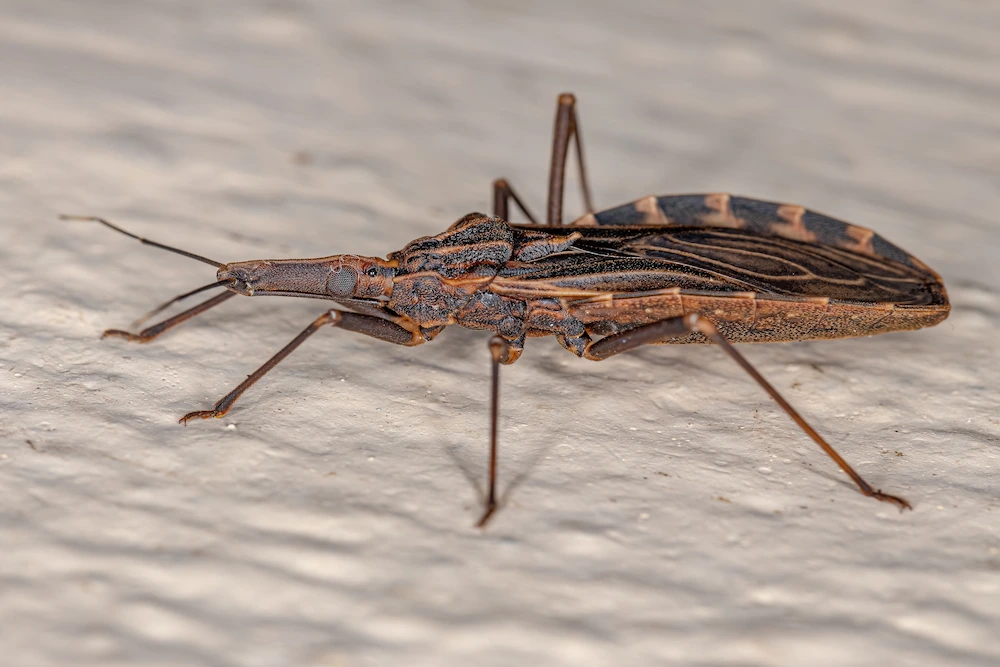
Kissing bugs are triatomine insects, sometimes called conenose bugs. The nickname comes from their tendency to feed on exposed skin, including the face, often when people are sleeping. You usually do not feel the bite in the moment because their saliva can dull pain at the bite site.
They are most active at night and prefer hiding during the day in sheltered spots like cracks, cluttered storage areas, or outdoor animal nesting spaces. In the Southwest, they may be found around packrat nests, wood piles, or structures that provide cover and easy access to warm-blooded hosts.
Why Kissing Bug Bites Are Dangerous
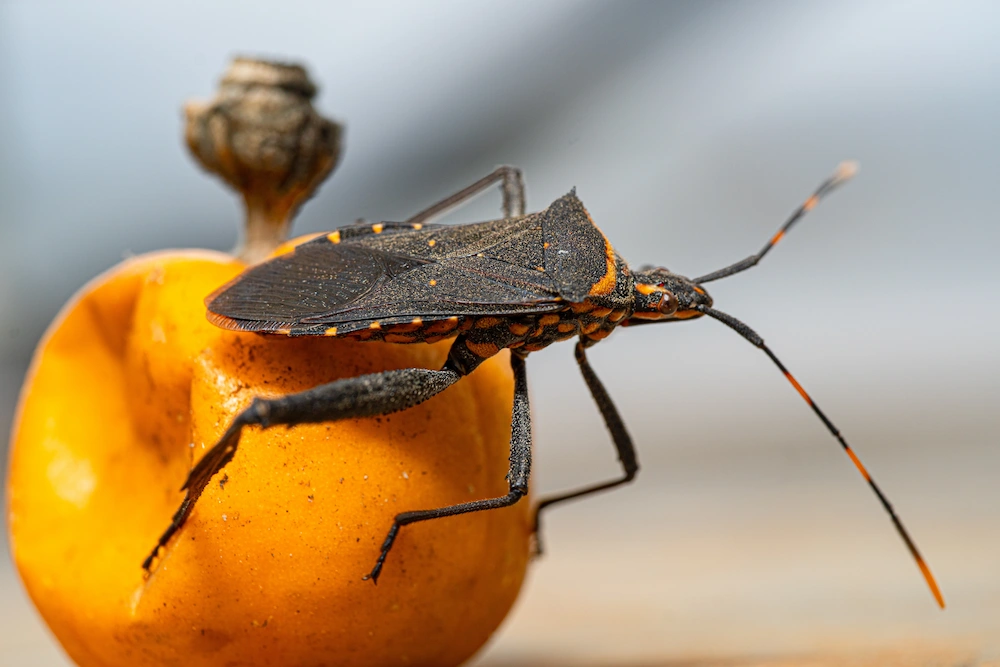
Most biting insects are annoying. Kissing bugs earn a stronger reputation because their bites can be more than just itchy. For some people, why kissing bug bites are dangerous comes down to how the body reacts to their saliva.
A bite can look like a raised welt, sometimes with significant swelling, especially if it is on thin skin around the eyes or lips. Itching can be intense, and scratching increases the chance of secondary skin infection. Some people are sensitive enough to experience widespread hives or more severe symptoms.
When a Bite Becomes an Emergency
Although uncommon, kissing bug bites can trigger serious allergic reactions, including anaphylaxis. This is a medical emergency. If someone develops trouble breathing, swelling of the tongue or throat, dizziness, or fainting after a bite, call emergency services immediately.
Even when reactions are mild, it helps to document what you are seeing. Take a photo, note when it appeared, and pay attention to whether swelling is getting worse over a few hours. That information can be useful if you speak with a medical professional.
The Bigger Concern: Chagas Disease and How Transmission Works
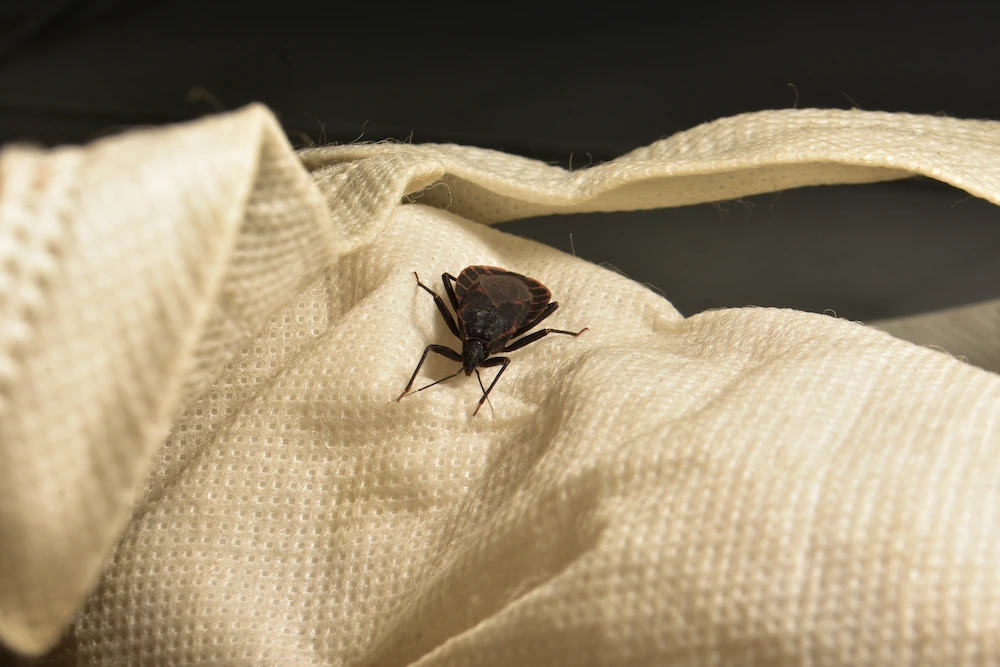
Kissing bugs are linked to Chagas disease, which is caused by a parasite called Trypanosoma cruzi. Here is the important nuance: transmission is usually not from the bite itself. Instead, infection can occur if an infected bug’s feces get into the bite wound, the mouth, or the eyes, often through rubbing or scratching.
Chagas disease is more common in parts of Latin America, and the overall risk of getting Chagas from kissing bugs in the United States is considered low. Still, awareness matters because triatomine bugs are present in the Southwest, and public health experts continue to track where infections occur.
If you have found kissing bugs indoors, it is reasonable to ask your healthcare provider about your risk, especially if you have unusual symptoms after exposure. Early identification and treatment decisions should always be guided by a clinician.
Kissing Bug Bite Symptoms to Watch For
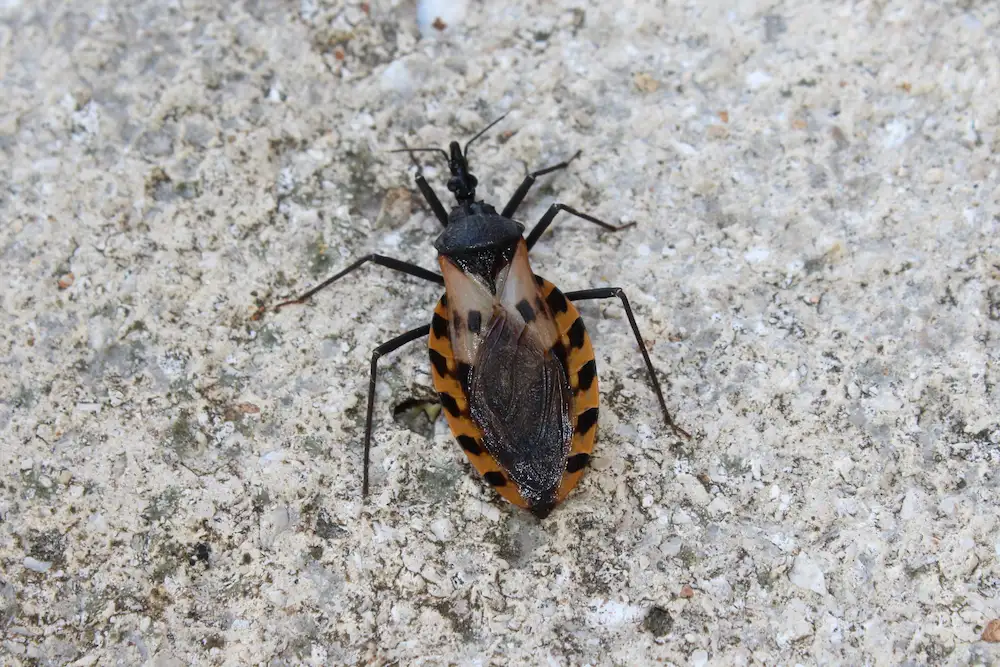
Bites can look different depending on your sensitivity and where the bite occurs. A single bite may resemble other insect bites, but face bites and large swelling should raise suspicion.
Below are some common kissing bug bite symptoms you may notice:
- A red, raised welt that can itch or burn
- Swelling around the bite, sometimes significant on the face
- Multiple bites clustered in one area after a night’s sleep
- Hives or widespread itching in more sensitive individuals
- Signs of infection from scratching, such as increased warmth, pus, or tenderness
If you suspect an allergic reaction or symptoms that rapidly worsen, treat it as urgent. If symptoms are mild but persistent, consider getting the bug identified, especially if you live in an area where triatomines are known to appear.
Kissing Bugs vs Bed Bugs: How to Tell the Difference
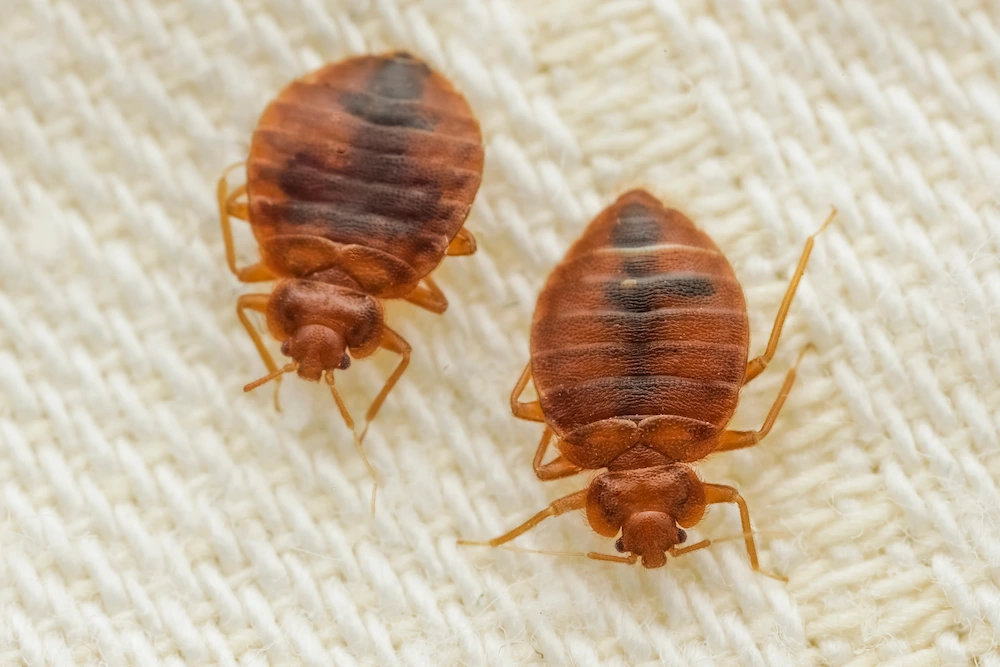
It is easy to mix these pests up because both can bite at night. The good news is that their patterns are different, and that can help you respond faster.
Kissing bugs vs bed bugs starts with habitat. Bed bugs hide in and around beds and upholstered furniture, leaving telltale signs like black specks, shed skins, and bites that often appear in lines or clusters on arms, legs, and torso. Kissing bugs are not typically living in mattresses. They are more likely to wander in from outdoors or hide in cracks and secluded areas, and their bites are commonly on the face.
If you are dealing with nighttime bites and you suspect bed bugs, professional help is usually the quickest route to clarity and relief. You can learn more about inspections and treatment options on our bed bug service page.
How Kissing Bugs Get Into Homes
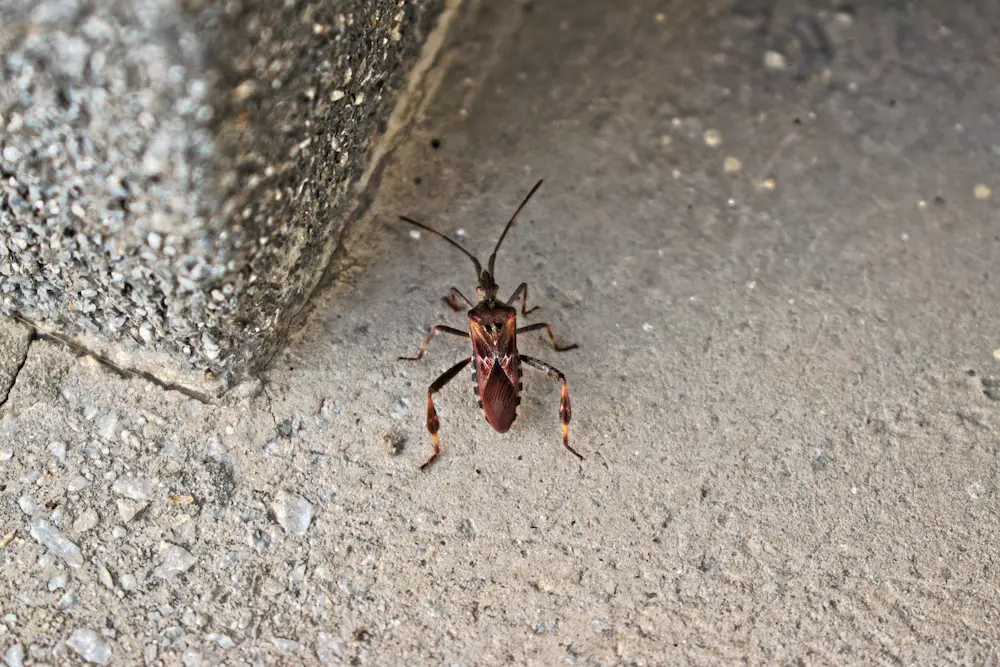
Kissing bugs do not need much of an opening. Small gaps around doors, worn weather stripping, unscreened vents, and cracks in exterior walls can all become entry points. They are also drawn to porch lights and can hitch a ride inside when doors are opened at night.
In desert neighborhoods, outdoor harborage matters. Wood piles, dense landscaping against the home, and rodent activity can create the kind of environment that supports kissing bugs and the animals they prefer to feed on.
Preventing Kissing Bugs in Homes
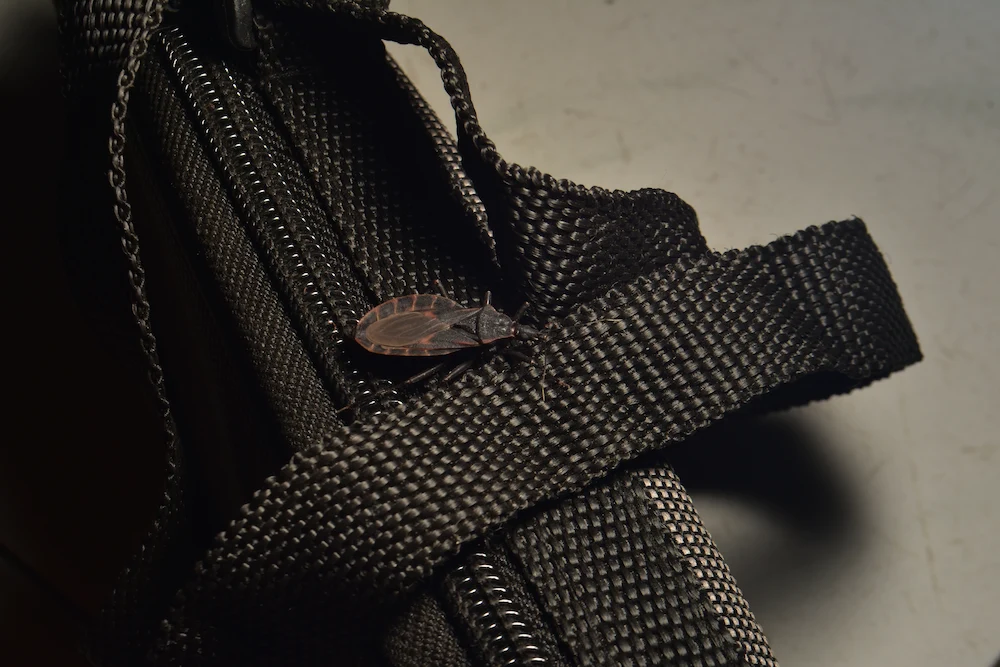
If you want fewer midnight “visitors,” focus on exclusion, lighting, and habitat changes. Preventing kissing bugs in homes is often a combination of small fixes that add up to a major difference.
Start with the basics: seal gaps, repair screens, and replace worn weather stripping. Consider yellow bug lights outdoors, and reduce bright white lights near doors at night when possible. Keep pet sleeping areas indoors, and avoid letting pets sleep directly next to exterior doors, since kissing bugs are attracted to warm hosts.
Outside, reduce hiding places. Move wood piles away from the structure. Trim vegetation so it does not touch exterior walls. Address rodent issues quickly, since packrat nests and other wildlife harborage can contribute to activity in the area. For broader protection against pests that sneak in from outdoors, explore our full service options here.
What to Do If You Find a Kissing Bug
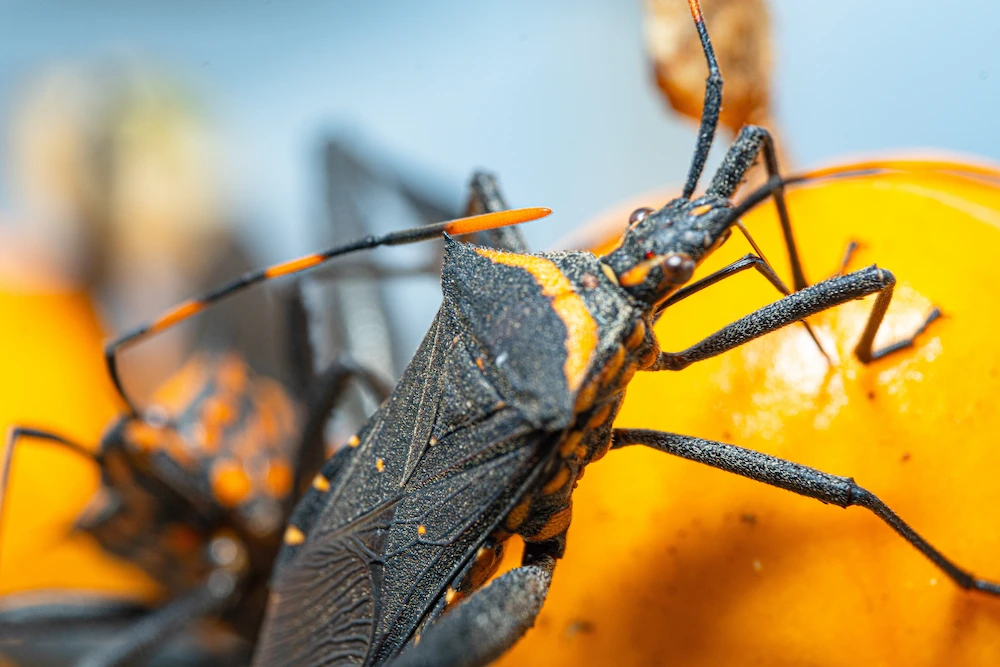
If you spot one, avoid smashing it with bare hands. Use gloves or a paper towel and place it in a sealed container. If possible, take clear photos from the top and side. Identification matters because many insects resemble kissing bugs, and you do not want to assume the worst without confirmation.
Next, do a quick home check. Look for gaps around doors and windows, inspect screens, and scan quiet areas like garages, utility rooms, and storage corners. If you have pets, check their sleeping areas as well.
If you are not sure what you found or you are seeing repeated bugs, it is time to call in help. A professional inspection can locate entry points, evaluate outdoor harborage, and recommend a plan that fits your home and neighborhood.
Keep Your Valentine’s Day Sweet, Not Bitey
Kissing bugs are a perfect example of why “just a bug bite” is not always just a bug bite. Between the potential for allergic reactions and the wider public health conversation around Chagas disease, caution is smart even if the overall risk is low.
If you have questions about bites, bug identification, or keeping pests out year-round, Green Mango Pest Control can help you build a plan that protects your home, your family, and your peace of mind. Contact us for a free quote today!
Citations
Klotz, S. (Dr.). (2021, June 17). Summertime is kissing bug season in Arizona. The University of Arizona Health Sciences. Available at https://healthsciences.arizona.edu/news/blog/summertime-kissing-bug-season-arizona (Accessed on February 10, 2026).