
Summary: Winter brings pests indoors as they search for steady warmth, moisture, and easy food. This post explains the patterns behind winter pest activity spikes and simple prevention steps for Phoenix homes.
Winter in Arizona is not the deep-freeze people picture in other states, but it is still a major turning point for insects and wildlife. When nights cool off and the days get shorter, many pests change their routines, shrink their territories, and start looking for the easiest path to warmth, water, and steady food.
That is why winter pest activity can feel sudden. One week the yard looks quiet, and the next you notice roaches near the kitchen sink, ant trails in the pantry, or scratching sounds in the attic. The good news is that winter pest problems are predictable, which means they are also preventable.
Seasonal pest activity explained: what actually changes when temperatures drop
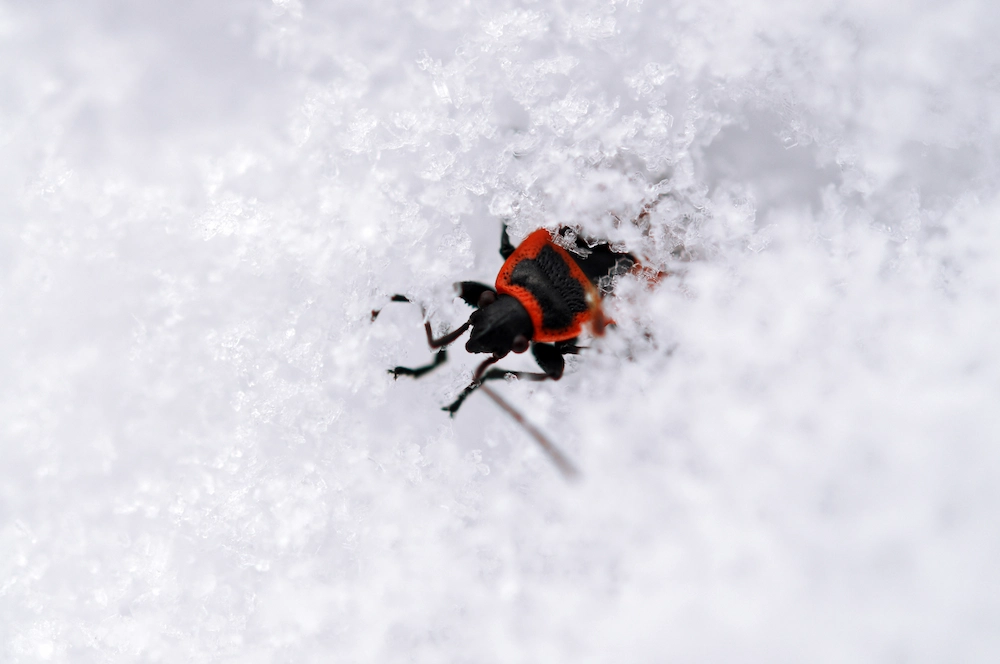
Most pests are cold-blooded, so they do not generate their own body heat. When outdoor temperatures dip, their metabolism slows, movement becomes limited, and survival depends on finding stable conditions. For many species, that stable spot is a protected void inside a wall, the warmth under an appliance, or a sheltered pocket of clutter in the garage.
Even in the Valley, where winter afternoons can feel pleasant, nighttime temps and cold snaps still push pests to make a decision. If a bug can stay outside and survive, it will. If it cannot, it hunts for shelter and rides out the season close to the things that keep it alive: heat, moisture, and food scraps.
Another key piece is behavior. In colder months, pests spend less energy wandering and more energy nesting. That can translate to fewer sightings outside, but more concentrated pest activity in the places they have chosen to settle. In other words, you may see fewer pests overall, but the ones you do see are more likely to be living in or on the structure.
Why pests are active in winter even when your yard looks quiet
Homeowners often assume pests disappear in winter, so they are surprised by indoor sightings. The reality is that cold weather drives pests inside, and once they are in a climate-controlled space, the season matters a lot less. A heated home creates the same conditions pests look for in spring: steady temps, darkness, and plenty of hiding spots.
Pests also do not need much to survive. A few crumbs under the toaster, a pet food bowl left out overnight, or condensation around a drain is enough to keep some species going for weeks. Add in small gaps around doors, plumbing penetrations, and garage weather stripping, and the path indoors is wide open.
In Phoenix homes, we also see winter pressure spike after rain. Moisture changes the soil, flushes insects out of their normal hiding spots, and can drive rodents to higher, drier ground. If your home offers shelter, pests will take it.
Winter pests indoors: the usual suspects in Arizona homes
Winter pest issues in Arizona are not always the same as what you see in summer. The list tends to lean toward pests that can live close to people year-round, plus anything that is good at squeezing into sheltered areas.
Roaches
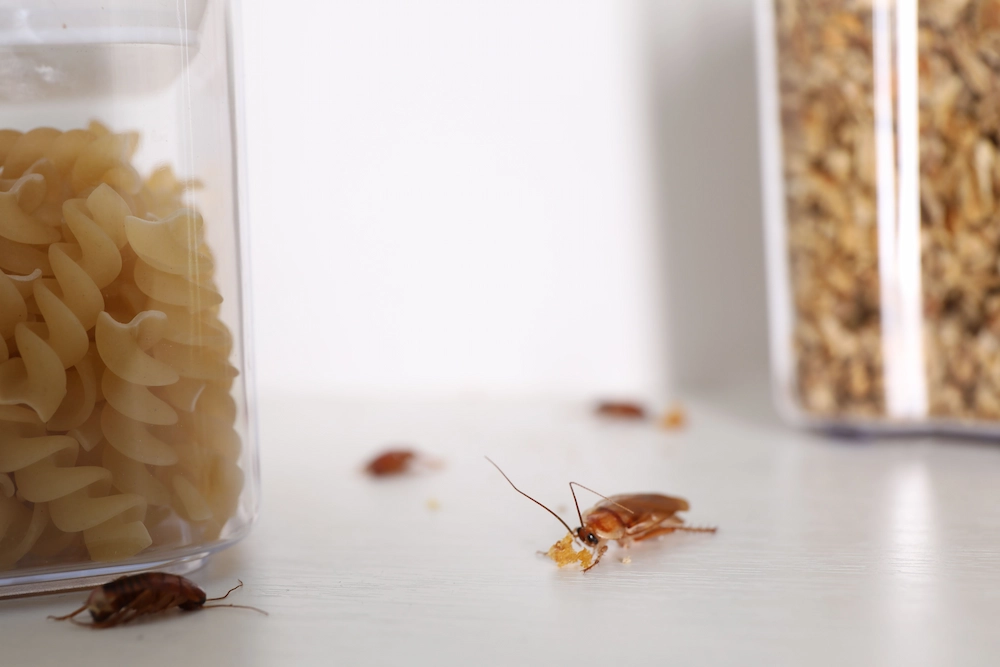
Cockroaches are experts at finding warmth and moisture. In winter, they often concentrate near kitchens, laundry rooms, and bathrooms where pipes and appliances create mild heat and water sources. If you see one, there is a strong chance more are hiding in wall voids, under cabinets, or behind appliances.
If roaches are becoming a pattern, it is worth addressing it quickly with professional help, because populations build fast once they settle in. Green Mango’s roach control services in Phoenix focus on inspection, targeted treatment, and ongoing prevention so the problem does not rebound.
Rodents
Rats and mice are driven by shelter, warmth, and food access. As outdoor conditions get harsher, pests seeking shelter in cold weather often includes rodents moving into attics, garages, sheds, and crawl spaces. They can enter through very small openings, especially where utilities and vents meet the exterior.
Rodent activity can also show up as gnaw marks, droppings, or noises at night. If you suspect rodents, it helps to take a two-part approach: remove attractants and close entry points, then use a treatment plan designed for the structure. Green Mango offers rodent control solutions in Phoenix built around inspection and long-term planning.
Ants
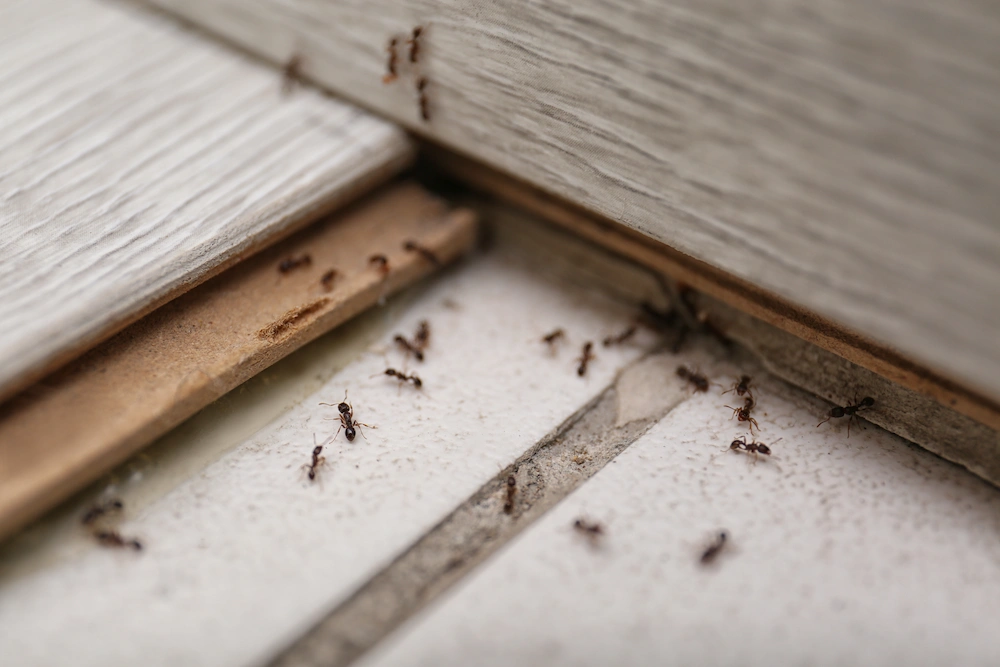
Ant activity slows down in winter, but it does not stop. In fact, some ant colonies shift closer to heated slabs, plumbing lines, and interior walls. If you notice ants inside during the colder months, it usually means the colony has found a stable water source or is foraging for food in a tight, repeatable route.
The tricky part about winter ant issues is that they can look small until they suddenly are not. A few ants near the sink might indicate a nest in a wall void or under the slab, especially if moisture is present.
Spiders and occasional invaders
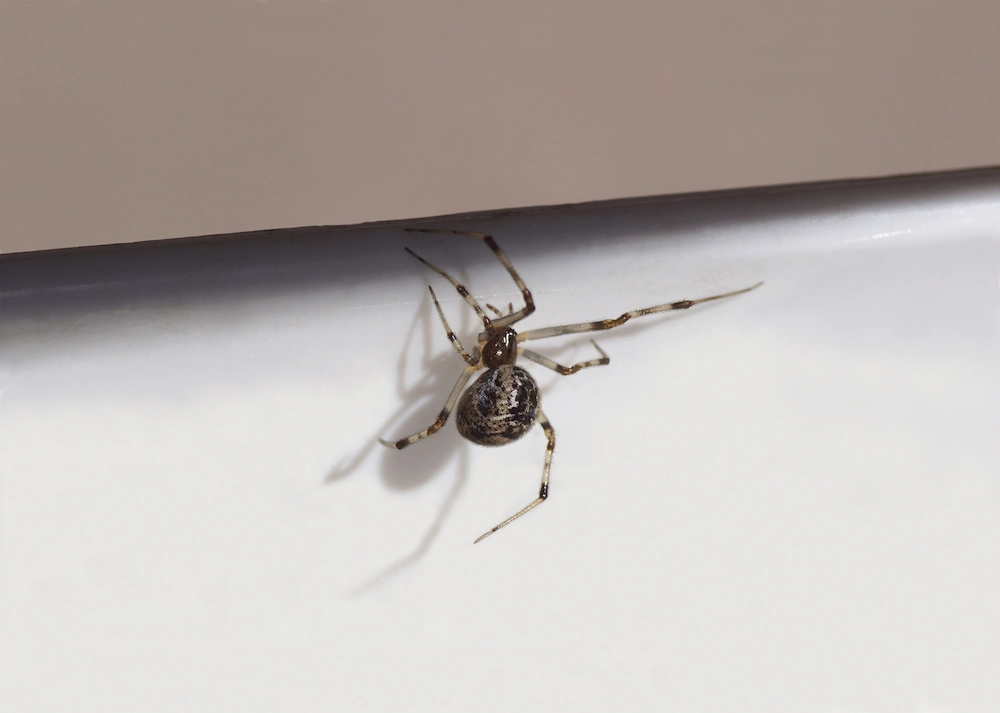
Many spiders are opportunistic. They follow prey, and prey often moves indoors when the weather cools. That is why you may see more webbing in garages, corners, and storage rooms in winter, even if you did not notice much activity outside.
Other pests like crickets can also show up as “occasional invaders,” especially if they are displaced by changes in moisture or if they find easy access through garage gaps. These are often more about entry points and clutter than a true infestation.
How to reduce winter pest problems without turning your home into a fortress
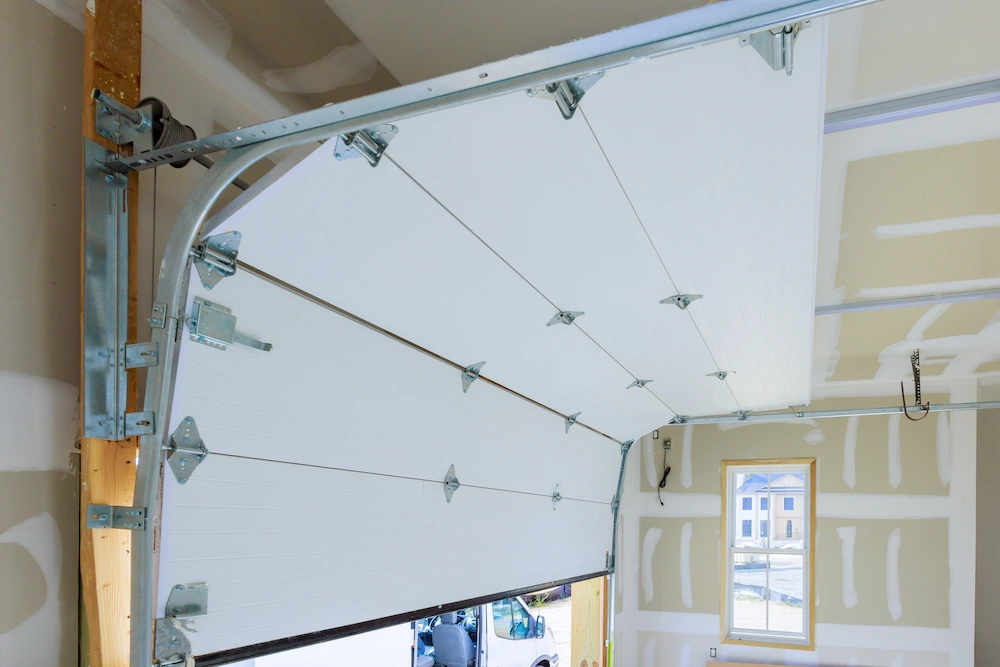
The fastest way to cut winter pest activity is to make your home harder to enter and less rewarding to stay in. That does not mean you need to seal every inch overnight. It means you focus on the handful of areas that pests use most often.
Start with the places where warmth and moisture meet, because that is where pests tend to settle in winter. Kitchens, bathrooms, laundry rooms, and garages are usually the hotspots.
Here are a few high-impact steps that work for most homes:
- Replace worn door sweeps and fix gaps around garage seals.
- Seal cracks around plumbing lines under sinks and behind toilets.
- Store pantry items in sealed containers and clean up crumbs and grease buildup.
- Fix small leaks and wipe up standing water, especially near drains.
- Reduce clutter in garages and storage rooms so pests have fewer hiding spots.
If you only choose one outdoor task, focus on the perimeter. Trim vegetation back from the house and keep debris away from the foundation. Even in winter, leaf piles and stored items near the wall create warm pockets pests can use as staging areas.
When DIY is not enough and what a professional winter plan looks lik

If you are seeing repeated sightings, droppings, or pest activity in multiple rooms, it is time to go beyond spot treatments. Spraying a can of insecticide at a baseboard might knock down what you see, but it rarely solves the reason the pest is there in the first place.
A good winter pest plan starts with inspection. Pros look for entry points, moisture sources, and the hidden “highways” pests use inside a structure. From there, treatment becomes targeted, which matters more in winter because pests are often tucked into protected areas where over-the-counter products do not reach.
Green Mango Pest Control highlights thorough inspections and tailored plans as part of its approach, along with a pest-free guarantee message where follow-up support is built in if pests return between scheduled treatments. That kind of structure is especially helpful in winter, when pests may be nesting in hard-to-access voids and only showing up occasionally.
The bottom line: stop the spike before it becomes a season-long problem
The main reason winter pest problems feel frustrating is that they show up when you least expect them. But once you understand the pattern, winter becomes one of the best times to get ahead of pests. With fewer outdoor variables and more predictable pressure points, you can identify entry routes, remove attractants, and lock down the spots pests rely on.
If you are dealing with winter pests indoors, the goal is not just to get rid of what you see today. It is to keep the next cold front from driving the same pests back inside. A proactive plan now usually means a quieter, easier spring for your household.
If you want help pinpointing entry points and building a season-proof barrier, reach out to Green Mango Pest Control for a winter inspection and treatment plan designed for Phoenix-area homes. We don’t take a season off from preventing invasive pests!
Citations
Pest predictions: Experts explain why pest populations are rising this fall & winter. (n.d.). Pest World. Retrieved January 12, 2026, from https://www.pestworld.org/multimedia-center/press-releases/pest-predictions-experts-explain-why-pest-populations-are-rising-this-fall-winter/