

Summary: Rodent infestations can grow rapidly because rodents reproduce quickly and adapt well to indoor environments. This guide explains how rodent reproduction works, why infestations spread fast, and how homeowners can prevent population growth.
Rodents are one of the most persistent pest problems for homeowners because their populations can increase at a surprising speed. What may start as a single mouse sighting can become a much larger issue within weeks if the conditions inside a home allow rodents to settle and reproduce. Many homeowners underestimate how quickly rodents multiply, which is why infestations often seem to appear suddenly.
Understanding why rodent infestations grow quickly helps explain why early action is so important. Rodents reproduce rapidly, adapt well to indoor environments, and only need minimal food and shelter to survive. When those factors come together inside a home, their population can expand far faster than most people expect.
The biology behind rodent population growth

Rodents evolved to reproduce frequently because they face many threats in the wild. Predators, weather conditions, and limited food supplies normally keep populations in balance outdoors. However, when rodents move into homes, garages, or attics, many of those natural pressures disappear.
This is where the rodent reproduction rate becomes a major concern. Mice and rats are capable of producing several litters every year, and each litter can contain multiple pups. When young rodents mature quickly and begin reproducing themselves, population growth becomes exponential.
For homeowners, that means a small problem rarely stays small. A few rodents inside a wall or attic can quickly become a full infestation if nothing interrupts their breeding cycle.
How fast rodents reproduce

One of the main reasons infestations escalate so quickly is how fast rodents mature and begin reproducing. Mice, in particular, have extremely short reproductive cycles compared to most animals.
Female mice can become pregnant again shortly after giving birth. In many cases, they can produce a new litter every few weeks. When you combine rapid reproduction with multiple offspring per litter, population numbers can climb rapidly in a short period of time.
To better understand how fast rodents reproduce, consider a typical scenario:
- A single female mouse can produce multiple litters each year
- Each litter often contains several baby mice
- Young mice reach maturity in just a few weeks
- Newly mature mice can begin reproducing almost immediately
This cycle explains why rodent populations grow fast in environments where food and shelter are easily available.
How quickly mice reproduce inside homes

Homes provide many of the resources rodents need to thrive. Warm temperatures, hidden nesting areas, and steady access to food all support rapid breeding.
The question many homeowners ask is how quickly mice reproduce once they move indoors. The answer is faster than most people realize. In favorable conditions, a single pair of mice can lead to dozens of offspring in just a few months.
Indoor environments remove many survival challenges that rodents face outside. Heating systems keep temperatures stable, stored food provides consistent nutrition, and wall voids or attic insulation create safe nesting areas. Because of this, rodent populations can expand rapidly without obvious signs until the infestation becomes noticeable.
This is why early sightings should never be ignored. Even a single mouse can indicate a hidden nest somewhere in the home.
Why rodent infestations Grow quickly

Rodents are not just fast breeders. They are also excellent explorers and nest builders. Once they establish themselves inside a structure, they expand their territory in search of additional food and shelter.
Several factors explain why rodent infestations spread quickly in residential environments:
- Rodents can squeeze through very small openings around foundations and utility lines
- They nest in secluded areas such as attics, crawl spaces, and wall voids
- Food sources are easy to find in kitchens, pantries, and garbage areas
- Rodents travel frequently to explore new areas and establish additional nests
As populations grow, rodents begin competing for resources. This often causes them to spread into new rooms or nearby structures, which is why infestations can expand throughout a property if they are not addressed early.
Why rodent populations grow fast in urban environments
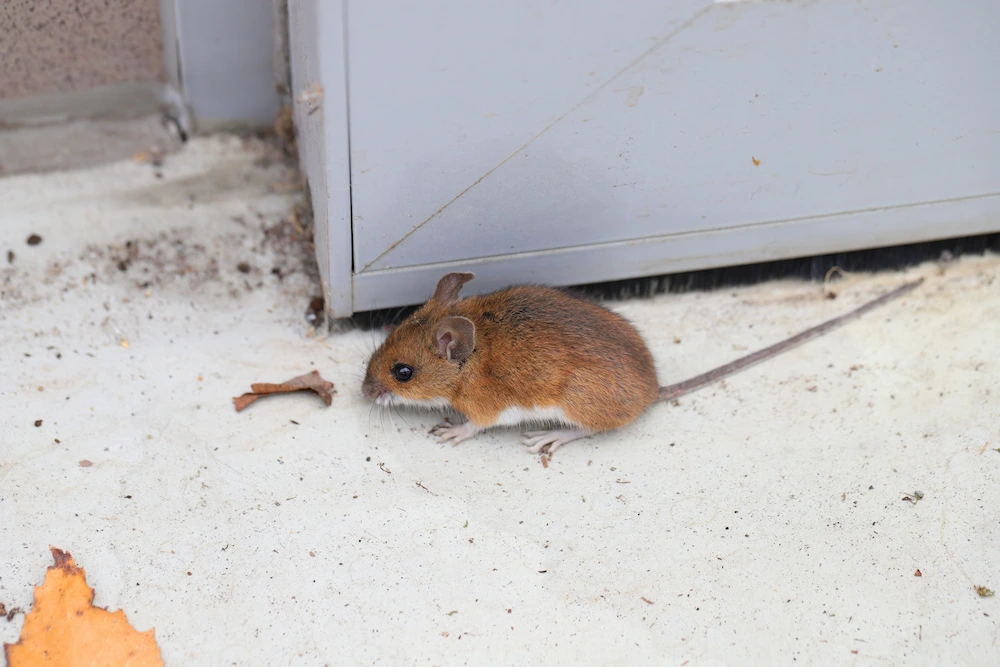
Urban and suburban neighborhoods provide ideal conditions for rodents. Houses are located close together, which allows rodents to move easily between structures while still having access to multiple food sources.
Trash bins, pet food, bird feeders, and compost piles can all attract rodents to residential areas. Once rodents enter a home or building, they often remain nearby because the environment supports nesting and reproduction.
This explains why rodent populations grow fast in cities and neighborhoods where food and shelter are consistently available. Even if one home addresses a rodent problem, nearby infestations can still contribute to recurring issues.
Proper exclusion and sanitation practices are key to limiting these population surges.
Signs that rodent reproduction is already happening

Rodent infestations often go unnoticed during the early stages. By the time homeowners begin seeing rodents regularly, the population has usually been growing for some time.
Common signs that rodents are actively reproducing inside a structure include:
- Frequent scratching or movement sounds in walls or ceilings
- Small droppings appearing repeatedly in the same areas
- Chewed food packaging or gnaw marks on materials
- Nesting materials such as shredded paper or insulation
If these signs appear, it often means multiple rodents are already present and the breeding cycle has begun.
Preventing rodent population growth in your home

Stopping rodent infestations early is the most effective way to prevent rapid population growth. Since rodents reproduce so quickly, delaying treatment allows numbers to multiply and makes the problem harder to control.
Homeowners can reduce the risk of infestations by focusing on prevention steps that remove food sources and eliminate entry points.
Some effective prevention practices include:
- Sealing cracks and openings around foundations and exterior walls
- Installing door sweeps and repairing damaged weather stripping
- Storing food in sealed containers and cleaning up crumbs quickly
- Keeping garbage containers tightly closed
- Reducing clutter that could provide nesting areas
These steps make homes less attractive to rodents and help interrupt the conditions that allow infestations to develop.
When professional rodent control becomes necessary
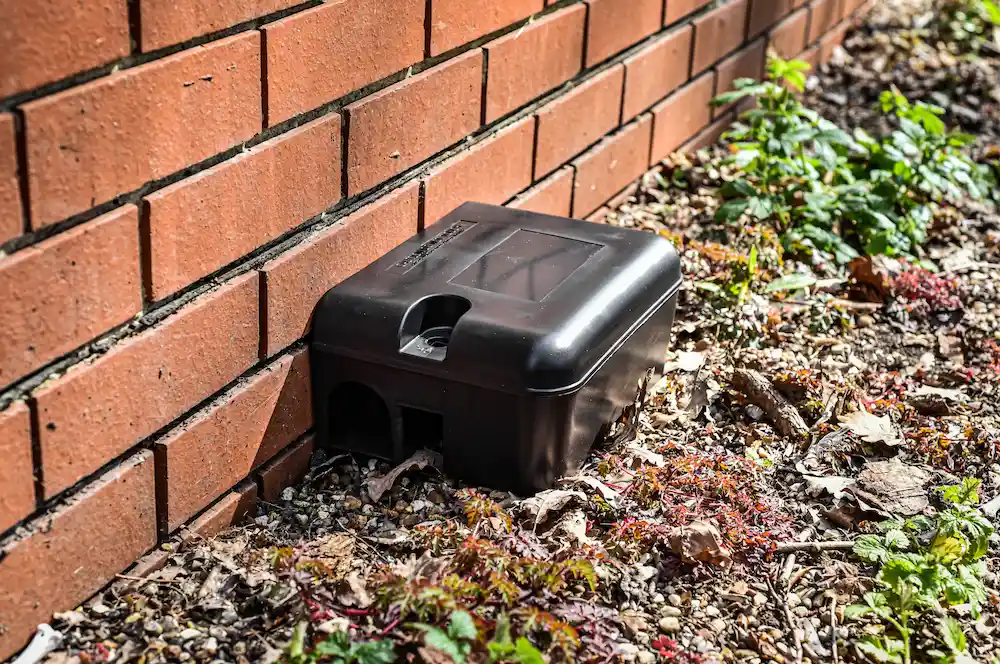
Because rodents reproduce so rapidly, infestations often require professional treatment once they become established. Pest control specialists focus on locating entry points, identifying nesting areas, and applying targeted control methods designed to stop reproduction and remove existing populations.
Professional rodent control strategies usually combine trapping, exclusion, and sanitation recommendations. Addressing all three elements helps prevent new rodents from entering while eliminating the current infestation.
Taking action quickly is important. The sooner a rodent problem is addressed, the easier it is to prevent the population from expanding further.
Final thoughts
Rodent infestations rarely appear overnight, but their growth can seem sudden once reproduction begins. Their rapid breeding cycles, adaptable behavior, and ability to thrive indoors allow populations to expand quickly when conditions are favorable.
Understanding the factors behind rodent population growth can help homeowners recognize early warning signs and respond before the problem becomes severe. By removing food sources, sealing entry points, and seeking professional help when needed, it is possible to keep rodent populations under control and prevent infestations from spreading.
Contact us for a free quote on our efficient rodent control services!
Citations
How quickly can rats multiply in your facility?. (2018, October 29). Rentokil. Retrieved March 16, 2026, from https://www.rentokil.com/us/about/blog/all-industries/quickly-can-rats-multiply-facility