
Summary: This article explains the top signs of bed bugs, how to identify early infestations, and where to check first inside the home. It also covers practical bed bug prevention tips, steps for preventing bed bugs at home, and guidance on when professional treatment is the best option to stop infestations from spreading.
Why catching bed bugs early matters
Bed bugs are small, excellent at hiding, and surprisingly easy to bring home without realizing it. The sooner you recognize the signs of bed bugs, the easier it is to stop them before they spread room to room or hitchhike into a neighbor’s unit.
Early action also helps you avoid “mystery itching” that lingers for weeks and repeated DIY treatments that do not reach the places bed bugs actually live. A quick check, paired with smart next steps, can save a lot of time and stress.
A quick refresher: what bed bugs look for
Bed bugs feed on blood and prefer to stay close to where people rest, especially beds, couches, and recliners. They hide in cracks and seams during the day and come out at night, which is why an infestation can grow before you ever see a bug.
They do not care whether a home is spotless or cluttered. What matters most is access to hiding spots and a consistent host, which is why apartments, hotels, dorms, and shared laundry rooms can all be common points of exposure.
Top signs to look for in bedrooms and living rooms
1) Bites that follow a pattern
Bed bug bites vary from person to person. Some people react with itchy welts while others show little to no reaction. When they do show up, bites often appear in small clusters or lines on exposed skin, like arms, shoulders, neck, or ankles.
Because bites can resemble reactions from mosquitoes or other insects, look for the bite pattern plus additional evidence. If you are noticing early signs of bed bug infestations alongside changes on your bedding or furniture, it is time to inspect more closely.
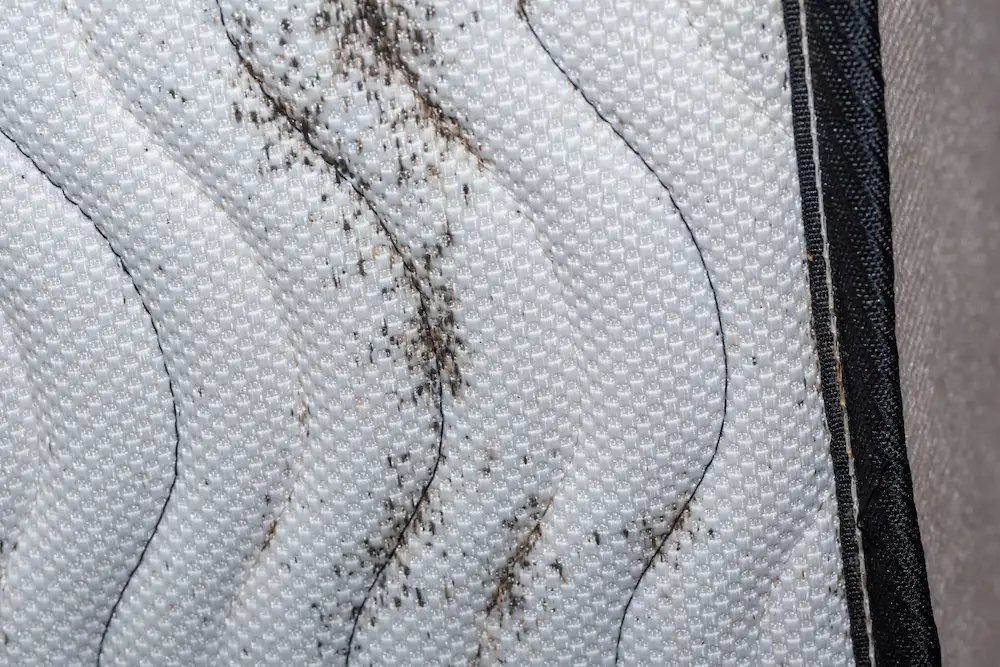
2) Rusty or inky spots on sheets and pillowcases
Small rust colored dots can be crushed bed bugs or blood smears left behind after feeding. Dark, ink like dots can be fecal spotting, which often shows up along seams, edges, and areas where fabric folds.
Check fitted sheet corners, mattress piping, and the side of the bed closest to the wall. If you find repeated spotting in the same zones, take photos and keep the bedding in place until you finish inspecting, so you do not accidentally spread bugs to other rooms.
3) Shed skins, eggs, and tiny white shells
As bed bugs grow, they shed their skins. These translucent, tan shells often collect where bed bugs hide, such as mattress seams, box spring folds, and the fabric underside of a couch.
You may also spot eggs or eggshells, which are tiny, pale, and often clustered in protected cracks. If you are trying to figure out how to identify bed bugs, these signs are often more reliable than waiting to see a live bug crawling in the open.
4) A sweet, musty odor in heavier infestations
Not every infestation has a noticeable smell, but larger populations can create a sweet, musty odor. People sometimes compare it to old clothing or a slightly sour “stale” scent near the bed.
If you notice this odor along with spotting and shed skins, treat it as a strong clue. Smell alone should not be your only indicator, but it can help confirm what your eyes are already finding.
5) Live bugs in seams, cracks, and crevices
If you are inspecting, focus on places bed bugs press into tightly:
- Mattress seams, tags, and piping
- Box spring fabric underside and corner guards
- Headboard joints, bed frame screw holes, and wall gaps
- Couch seams and the underside of cushions
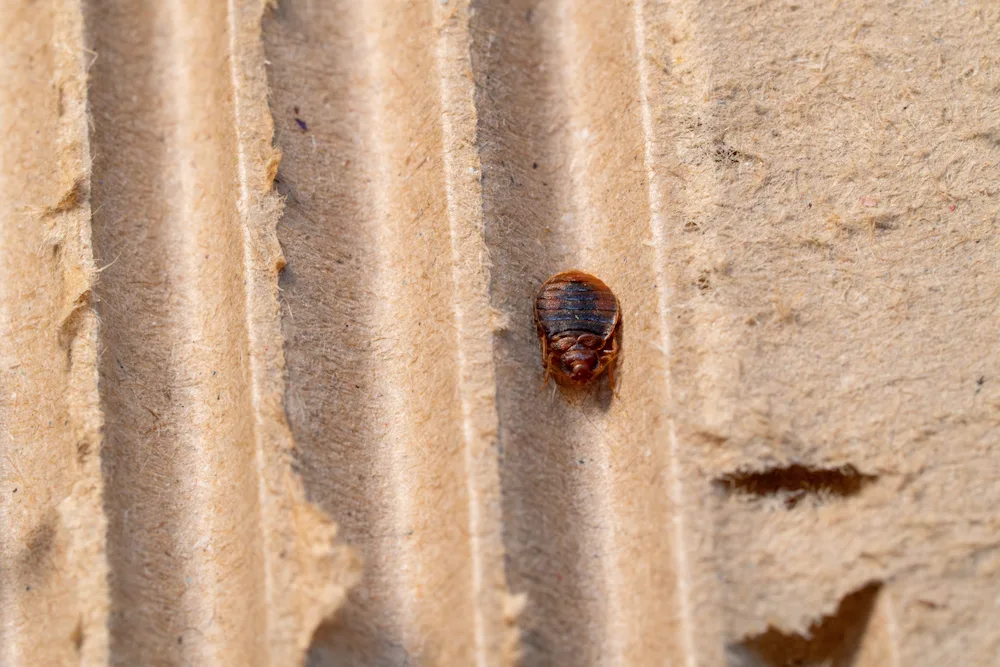
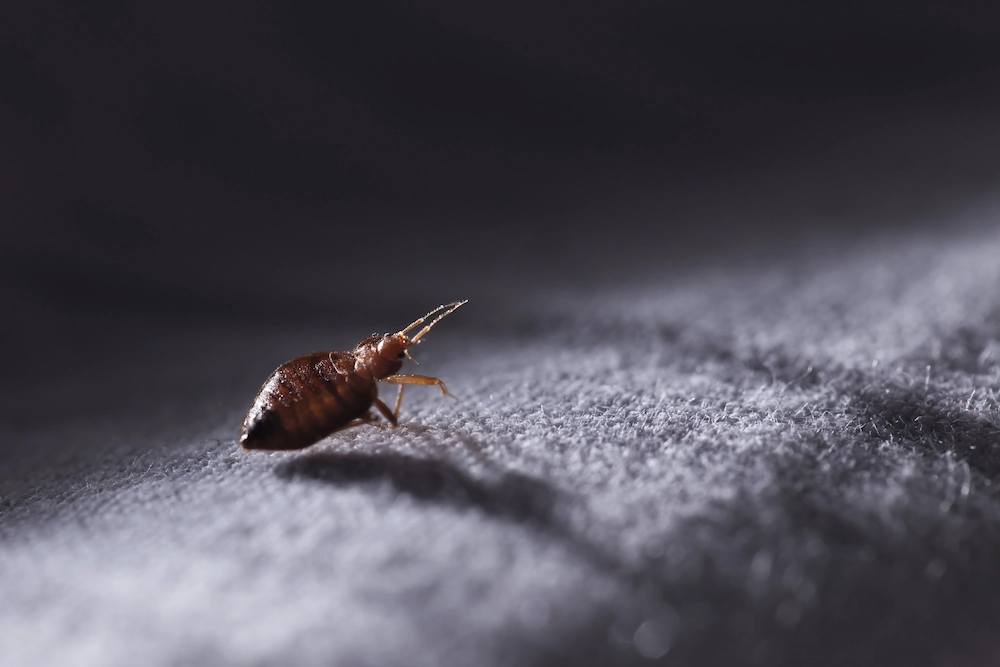
Adult bed bugs are flat, oval, and reddish brown, about the size of an apple seed. Young nymphs are smaller and lighter in color, which makes them harder to spot on light fabrics.
How to inspect without spreading bed bugs
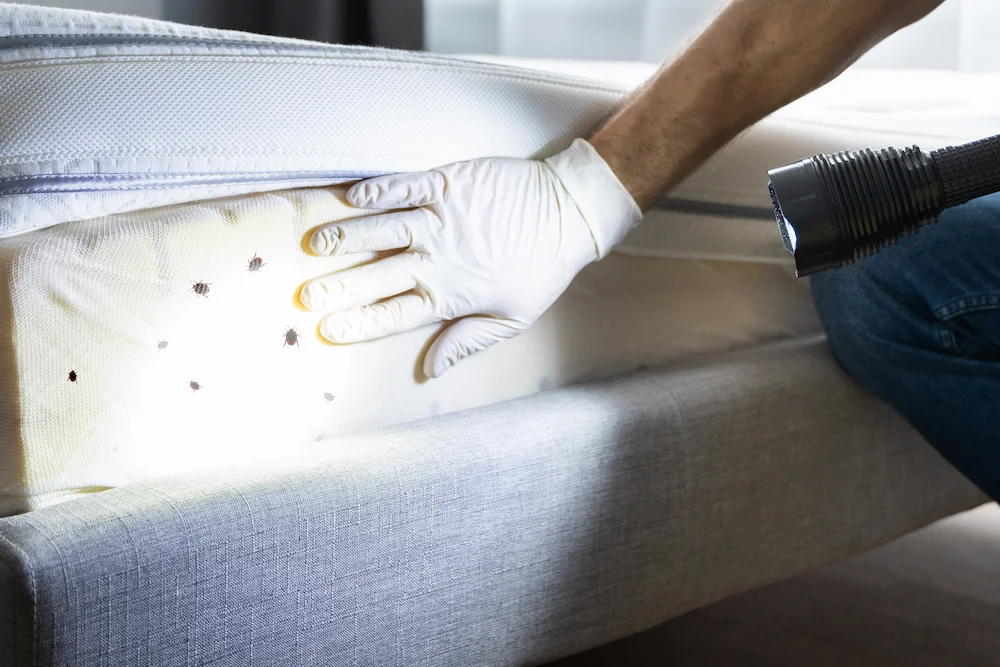
Start with a bright flashlight and move slowly. Lift seams and folds, and look for spotting, shells, or clustered eggs. A thin card can help you run along cracks where the bugs hide.
Avoid moving bedding and clothing through the home uncovered. If you need to remove items, place them into sealed bags first. This keeps bugs from falling off in hallways or other rooms while you troubleshoot the problem.
Bed bug prevention tips that actually reduce risk
Make bedrooms and sleep areas easier to monitor
The goal is not perfection. The goal is reducing hiding spots and making inspections quick. Keep bedding from touching the floor, pull the bed slightly away from the wall, and minimize clutter around the bed frame.
If you live in a multi-unit building, consider placing interceptors under bed and couch legs. These devices can help you spot activity early and confirm whether bugs are coming from another unit.
Preventing bed bugs at home after travel or visitors
A few habits can lower the odds of an accidental introduction:
- Keep luggage off beds and upholstered furniture, then unpack directly into the wash
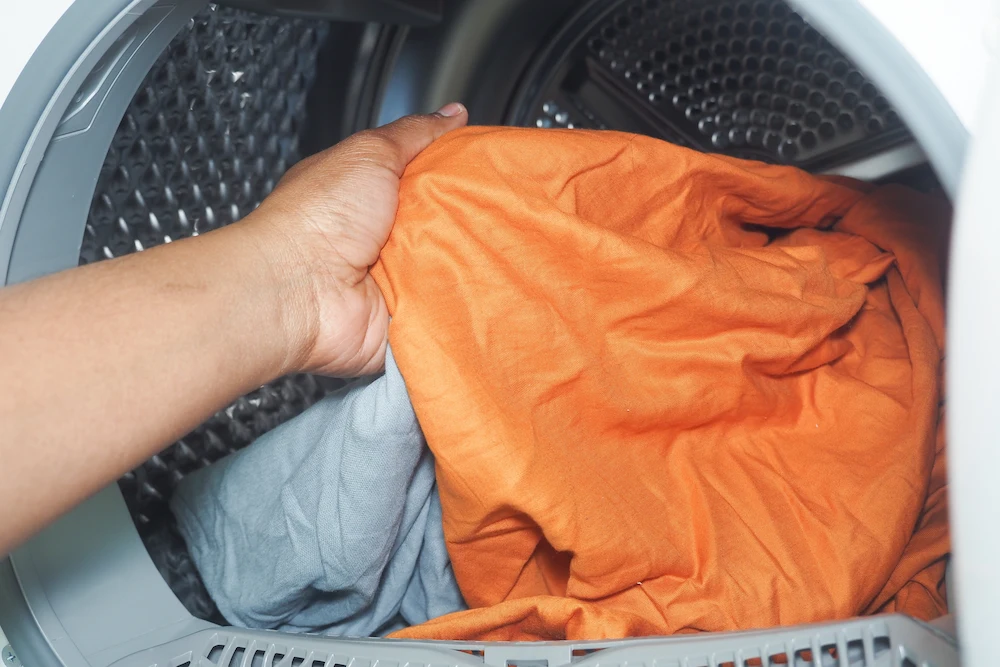
- Dry travel clothes on high heat when fabric allows, since heat is a key killer
- Inspect and clean secondhand furniture before bringing it inside
- Vacuum seams and cracks regularly, then empty the vacuum into a sealed bag
These bed bug prevention tips are especially helpful when you travel often, host guests, or buy secondhand items. They are not a guarantee, but they shift the odds in your favor.
When to call a professional for bed bugs
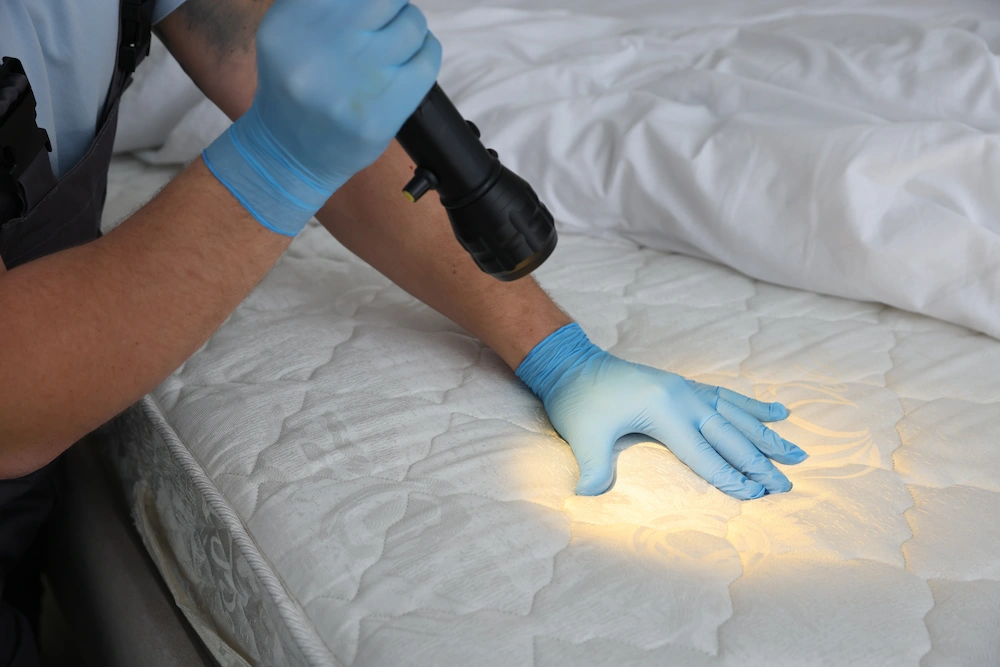
If you have confirmed bed bugs, recurring bites with multiple supporting signs, or activity in more than one room, professional treatment is usually the fastest route to a real reset. Bed bugs hide deep in furniture, wall voids, and floor edges, and missing a small pocket of survivors can restart the infestation.
For expert help, explore Green Mango’s bed bug control in Phoenix. If you want an inspection or treatment plan, contact our team here.
Bottom line
Bed bugs are not a cleanliness issue, and they are not a problem you should feel embarrassed about. They are a pest problem, and like any pest problem, they get easier to solve when you catch them early and respond with a clear plan.
If you suspect bed bugs, document what you find, avoid moving items around the home, and consider professional support sooner rather than later so you can get back to sleeping comfortably. Our local experts are always here to help with your bed bug concerns!
Citations
How to find bed bugs (2025, September 11). United States EPA. Retrieved February 12, 2026, from https://www.epa.gov/bedbugs/how-find-bed-bugs
Possible signs & symptoms of bed bugs (n.d.). Pest World. Retrieved February 12, 2026, from https://www.pestworld.org/all-things-bed-bugs/signs-of-bed-bugs/