
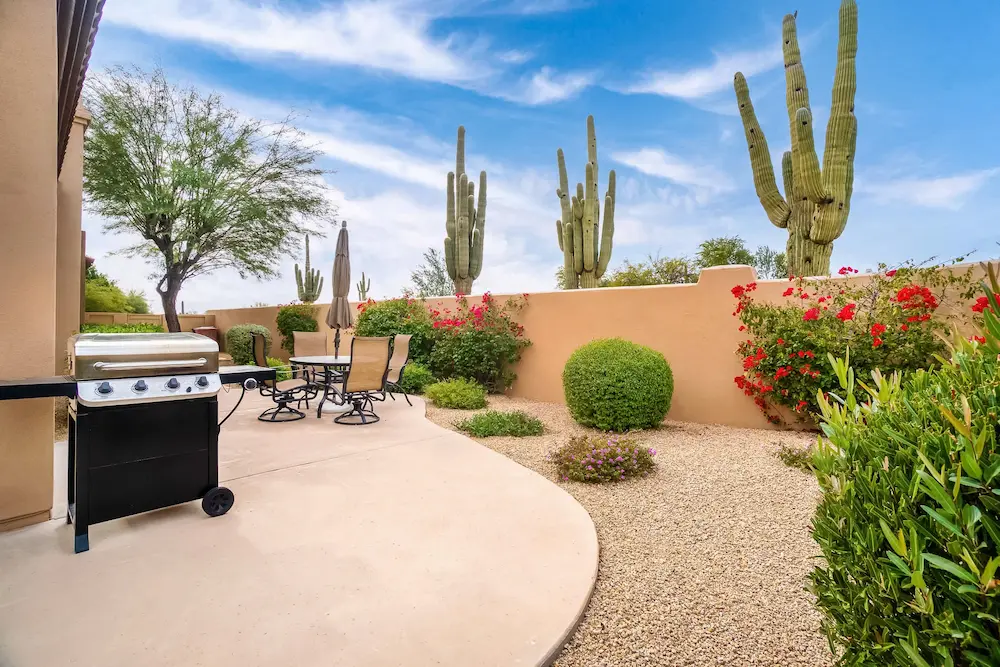
Summary: Practical spring yard prep steps that reduce moisture and shelter so pests are less likely to nest and move toward your home.
Spring is when backyards come back to life, and so do the pests that thrive in warmth, moisture, and fresh growth. If you want to prepare your yard for a pest-free spring, a little work now can reduce nesting sites, cut off food and water sources, and help keep bugs and rodents from moving closer to your home.
In the Phoenix-area desert climate, spring conditions can shift fast. A yard that stays tidy and dry is less inviting to ants, roaches, mosquitoes, scorpions, and rodents. The goal is simple: remove shelter, reduce moisture, and keep plants from turning into pest highways to your exterior walls.
Why spring yard work matters for pest control
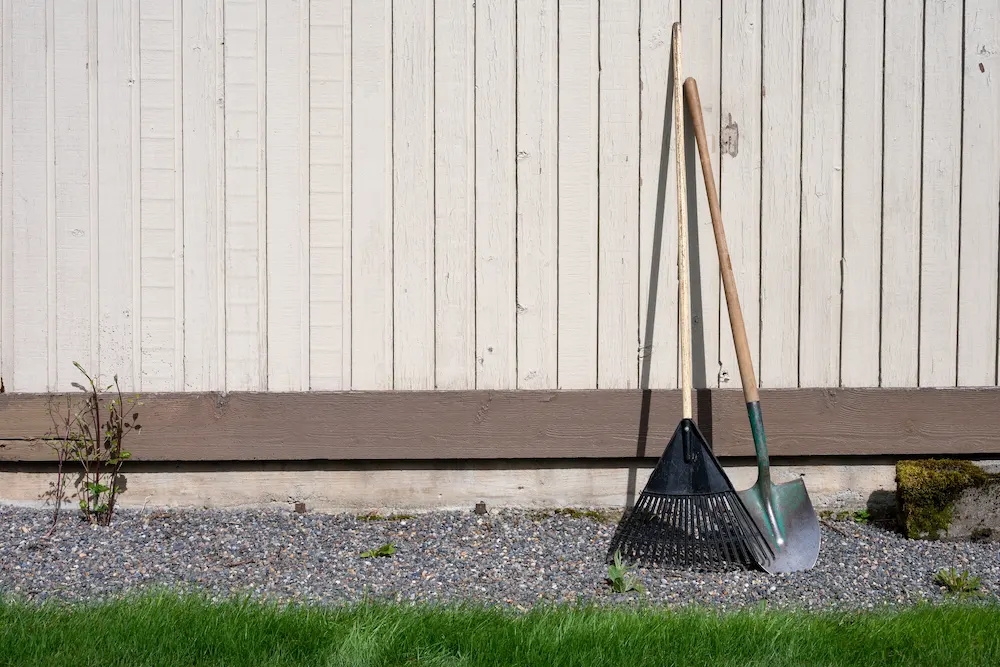
Many common pests ramp up activity as temperatures rise. New plant growth provides shade and cover, while irrigation schedules often increase to support lawns, flowers, and gardens. That combination makes spring one of the best times to tighten up your outdoor routine before small problems turn into repeat sightings.
Think of your yard as the first line of defense. When you manage weeds, clear clutter, and keep vegetation from touching the home, you are not just improving curb appeal. You are supporting spring yard pest prevention by making the environment less comfortable for pests to settle in.
Start with a quick cleanup sweep
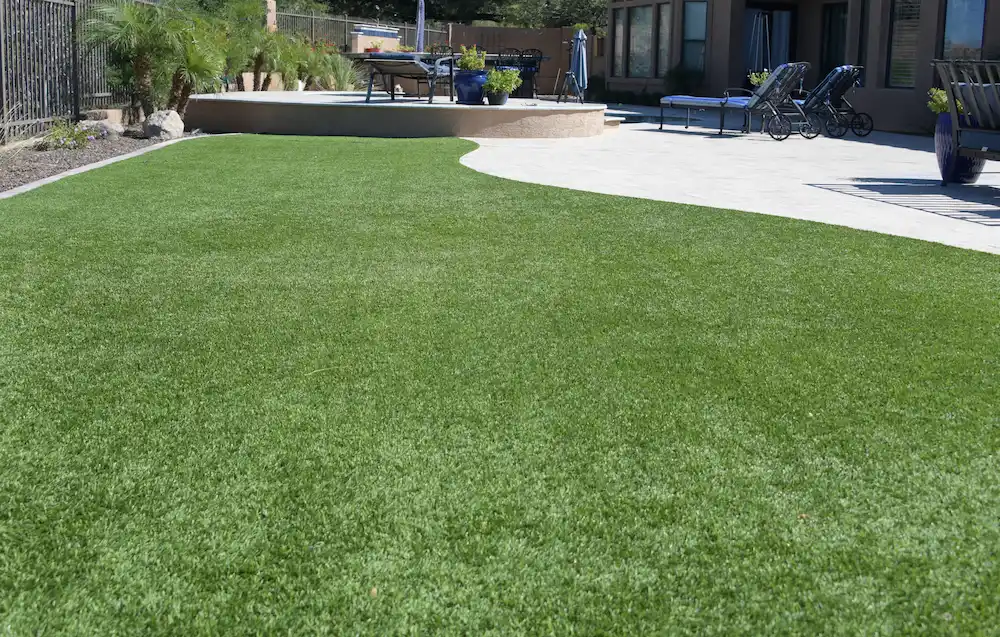
Begin with the low-effort wins: remove anything that gives pests cover. Piles of leaves, stacked boxes, forgotten pots, and old boards can shelter roaches, crickets, and even scorpions. Rodents also love protected spots where they can travel unseen.
While you are cleaning, look for signs of activity like droppings, gnaw marks, or trails near fences and storage areas. If you catch a hot spot early, you can correct it before spring turns into summer pressure.
- Bag and remove leaf litter, fallen fruit, and palm fronds.
- Store firewood at least 20 feet from the house and raise it off the ground if possible.
- Reduce clutter along walls and fences so pests have fewer hiding places.
- Rinse outdoor trash cans and keep lids fully closed.
Trim back plants and reduce hiding spots
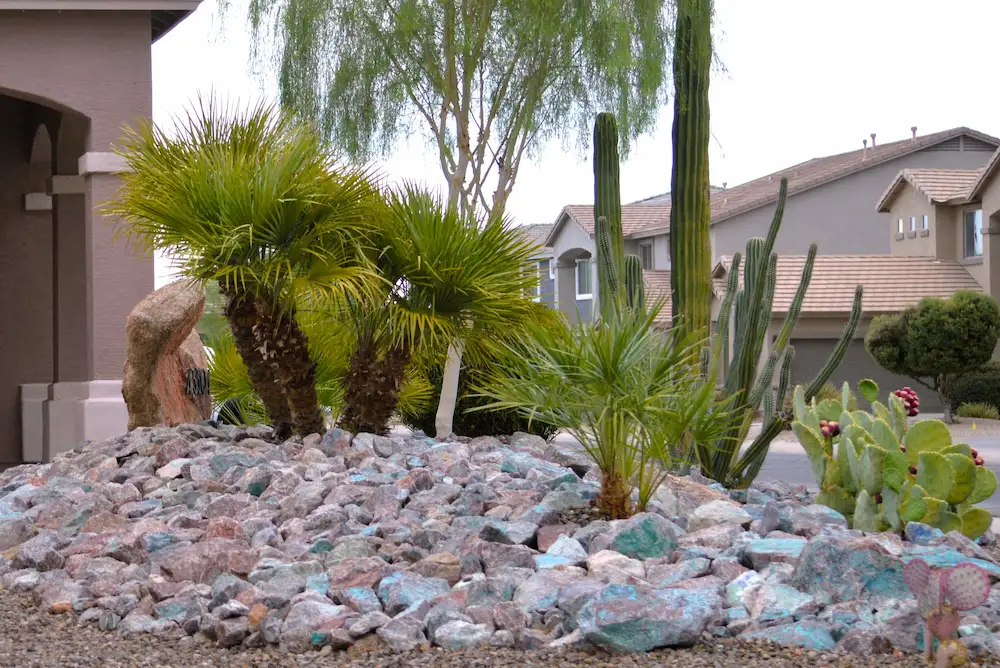
Overgrown plants are one of the most common reasons pests feel comfortable near a home. Shrubs that touch siding create shade, trap moisture, and give insects a direct path to entry points. Keeping branches and ground cover pulled back also helps sunlight and airflow dry the area faster after watering.
This is where trimming plants to prevent pests really pays off. Aim for a clear buffer between your landscaping and the home, and keep mulch and decorative rock tidy so you can spot activity quickly. If you prune regularly, you will also reduce webs and harborage areas that spiders rely on.
Fix moisture problems before they attract pests

Water is a magnet for pests. Leaky spigots, drip lines that spray the wrong direction, and low spots that hold water can draw ants, roaches, mosquitoes, and rodents. A short inspection now can prevent weeks of frustration later.
Walk your yard right after you run irrigation. Look for pooling water, soggy soil near the foundation, or spray that hits exterior walls. Adjust heads, repair leaks, and keep gutters and downspouts directing water away from the home. These are practical outdoor pest control tips that also protect your landscaping investment.
Use smart landscaping to keep pests away
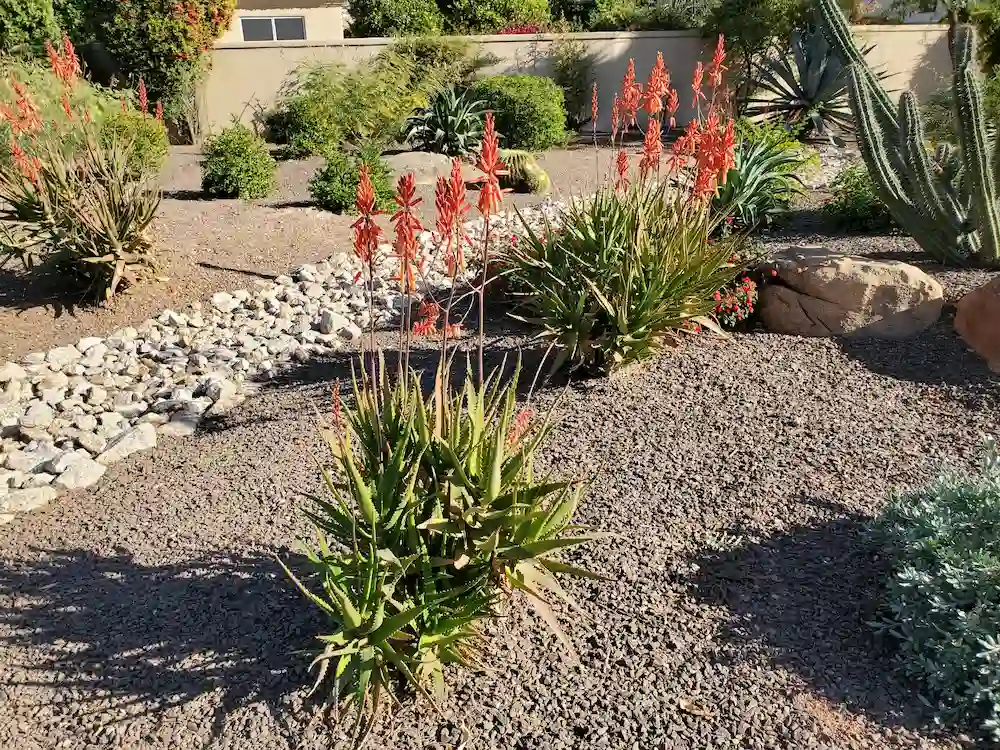
Your plant choices and layout influence how pests travel and where they hide. Dense ground cover, thick mulch, and tightly packed planters can create cool, protected zones where pests stay active even during warm days. Spacing plants and keeping beds maintained reduces that protected habitat.
Consider landscaping to keep pests away by prioritizing airflow, visibility, and easy maintenance. You do not need a bare yard. You just want a yard that does not provide a free shelter network right next to your home.
- Choose plants that are easier to keep trimmed and off the ground.
- Keep a clean border of decorative rock or bare soil between beds and the foundation.
- Avoid over-mulching, and refresh mulch only as needed to prevent damp, compact layers.
- Keep compost bins sealed and positioned away from doors and patios.
Secure outdoor storage and block easy access
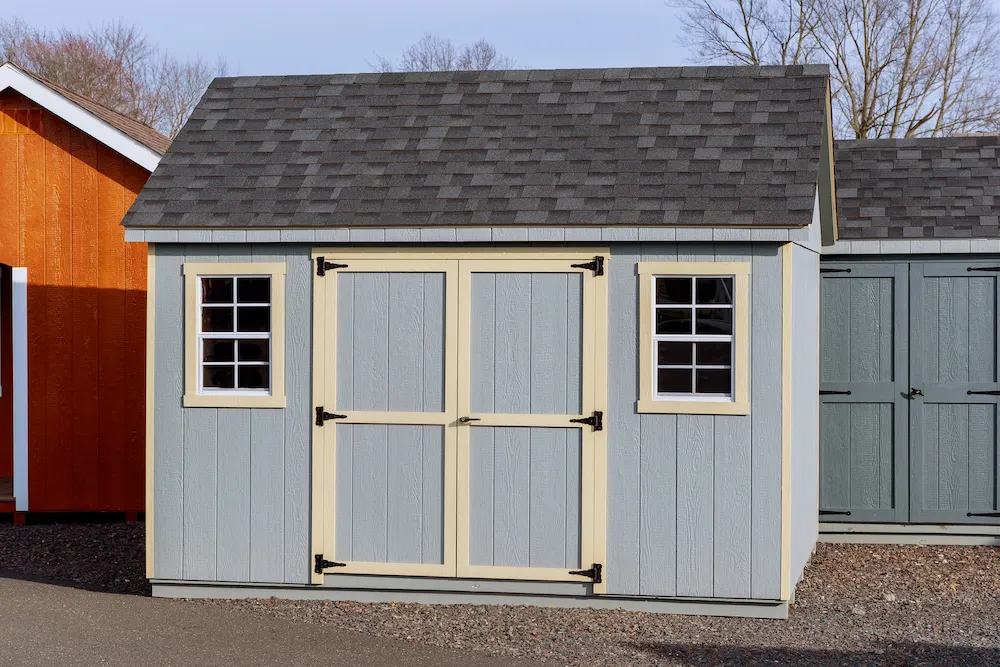
Yard items can become pest hotels if they sit directly on soil. Elevate storage bins, keep sheds organized, and avoid leaving pet food or bird seed outdoors overnight. If you have a grill, clean grease traps and check the area underneath for crumbs that attract ants and roaches.
Also, do a quick walk around the exterior at ground level. If plants, trellises, or stored items touch the home, move them back. The more you control exterior conditions, the easier preventing pests in your yard becomes throughout the season.
Pair yard prep with professional protection when needed
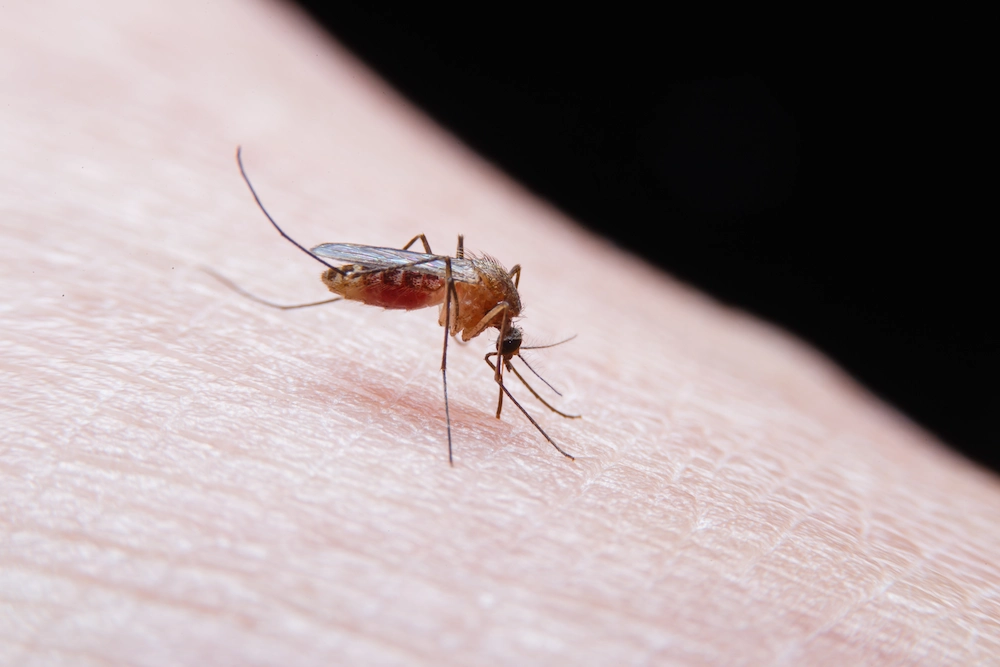
Even with great maintenance, some pests in Arizona are persistent. If you are seeing recurring ants, roaches, scorpions, or rodents, it may be time to combine yard improvements with a professional perimeter treatment and ongoing monitoring.
Green Mango Pest Control can help you build a plan that matches your property and the pests most common in your area. Start by exploring our service options here or reach out for scheduling and questions here.
continue to Prepare your yard with an ongoing routine
Spring prep is not a one-time chore. A quick weekly routine makes the difference between an occasional sighting and an ongoing issue. Spend a few minutes each week trimming new growth, checking irrigation, and clearing fresh debris after wind or storms.
Once you have the yard in a good place, keep it there. The consistent habits are what keep pests from re-establishing, especially when the weather heats up and activity peaks. Pest prevention is an ongoing effort to protect your home from year-round invaders.
Citations
DeCausmaker, J. (2025, December 29). The importance of spring yard cleanup in Arizona. Little John’s Lawns. Available at https://www.littlejohnslawns.com/blog/the-importance-of-spring-yard-cleanup-in-arizonav (Accessed on February 18, 2026).