
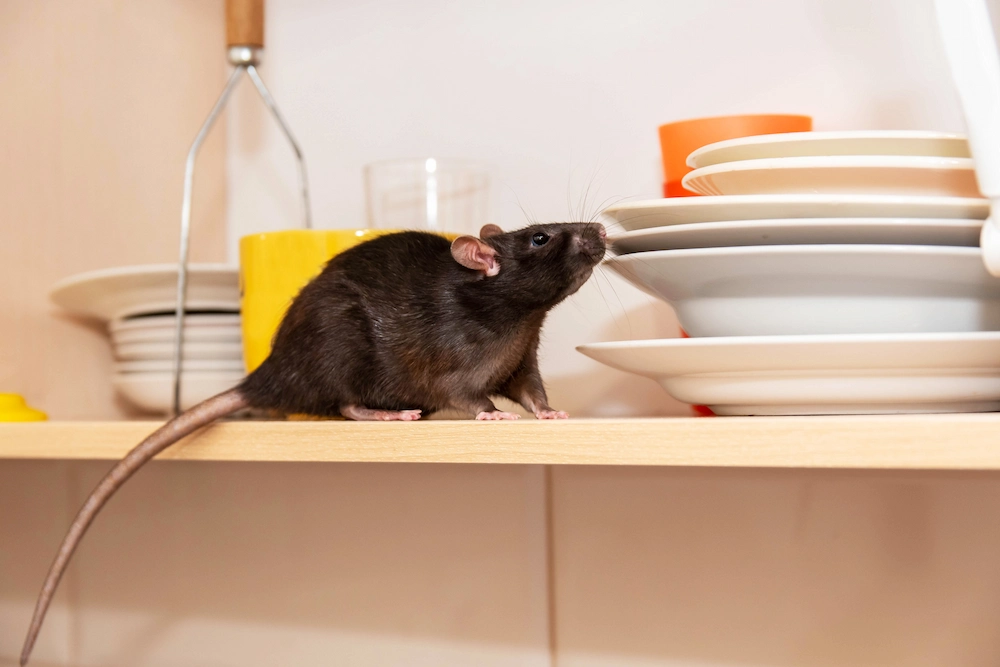
Summary: Rodents can spread disease by contaminating food and surfaces, shedding droppings and urine that create airborne dust, and transporting parasites like fleas. This guide explains where risk happens most often and how to reduce exposure with cleanup, sanitation, and exclusion.
Rodents are tough survivors, which is exactly why they show up in Arizona neighborhoods year round. But when mice or rats get comfortable around your home, the bigger issue is not the scratching sounds in the walls. It is what they leave behind on countertops, in pantries, and in the air you breathe.
Understanding rodent disease transmission helps you protect your family, pets, and even your coworkers. Below, we break down the most common ways how rodents spread diseases, where contamination usually happens, and what steps actually reduce risk when rodents show up.
Why rodents thrive around Arizona homes and businesses

Phoenix-area properties give rodents the basics they need: shelter from heat, access to irrigation, and easy food sources. Even in clean homes, a little bird seed, a few fallen citrus, or a dripping hose bib can keep a rodent population active.
Rats often travel along block walls, alleyways, and canal paths, then slip into yards at night. Mice tend to take advantage of garages, storage closets, and attic insulation where they can nest quietly. Once they find a consistent route, they will keep using it, which is why small problems can turn into repeat activity if entry points are not addressed.
Seasonal changes matter too. When temperatures swing or heavy rains hit, rodents look for stable indoor shelter. That is why you may notice new signs right after a monsoon storm or during cooler nights when attics and garages feel safer than the yard.
The main ways rodents pass germs to people

Most rodents do not need to bite you to create a health problem. The risk comes from the routine things they do to survive: eating, nesting, and traveling through tight spaces. As they move, they shed urine, droppings, saliva, and hair along baseboards, inside cabinets, and on stored items.
These materials can carry bacteria, viruses, and parasites. When they dry out, tiny particles can become airborne and get stirred up when you sweep, vacuum, or open a storage tote. That is one reason rodent droppings health risks are not just about what you touch, but also what can end up in the air.
Rodents also spread problems indirectly. They track grime from crawl spaces into kitchens, they chew through packaging, and they move between trash areas and living areas in the same night. The more nights they are active, the more opportunities there are for germs to land on the things you use every day.
- Direct contact: touching droppings, urine, or nesting material, then touching your mouth or food
- Indirect contact: germs transferred from contaminated surfaces like counters, shelves, and dishware
- Airborne exposure: dust from dried droppings or urine stirred up during cleanup
- Vector transfer: fleas, ticks, and mites that feed on rodents and then bite people or pets
Food contamination is one of the biggest everyday risks
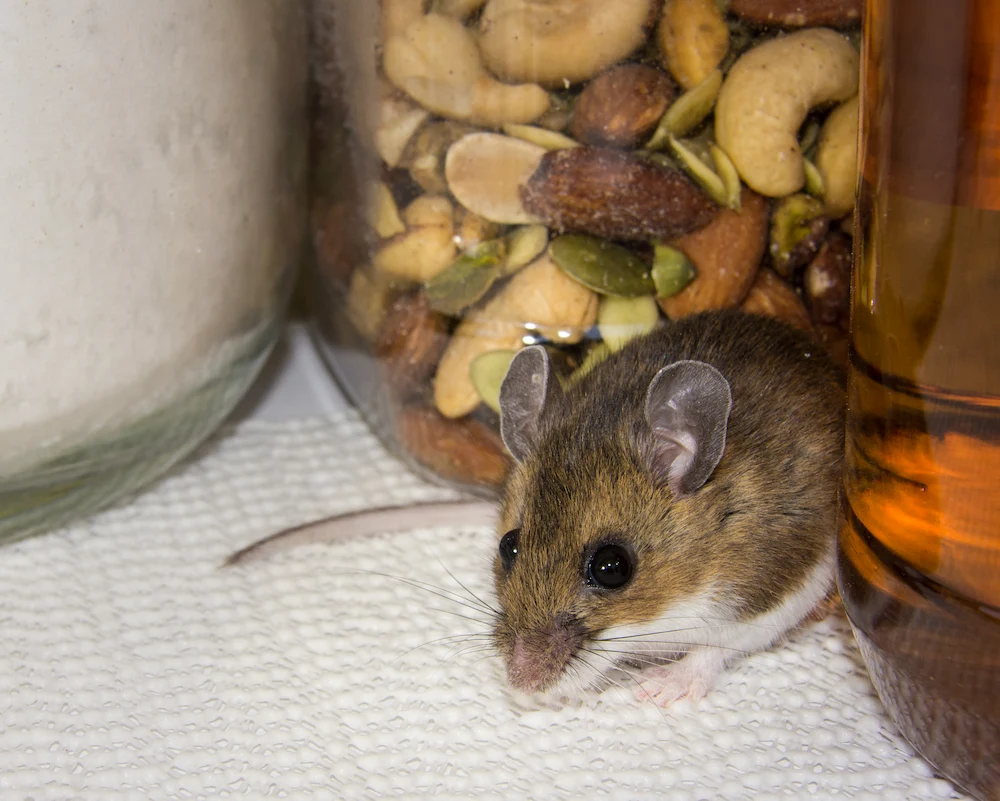
When you picture rodents contaminating food, it is easy to think only about open bags in the pantry. In reality, rats and mice can contaminate far more than you see. They climb packaging, nibble corners, and leave trace urine on shelves as they search for the easiest calories.
That contamination can spread quickly. A single night of activity can turn a clean pantry into a problem, especially if you store snacks in thin plastic, keep pet food in open bowls, or leave fruit on the counter. If a rodent runs across a cutting board, a coffee station, or a kid’s snack drawer, you can end up with germs on surfaces that look perfectly clean.
Food storage also ties into behavior. If rodents learn that the garage has a bag of bird seed or a bin of dog food, they will keep coming back. Closing off food access is one of the fastest ways to reduce activity, but it works best when paired with sealing the entry points that let them inside.
If you run a restaurant, warehouse, or office, the stakes go up. Storage rooms, break areas, and trash zones can become a rodent highway that crosses paths with food and shared surfaces. If you need help protecting your property, Green Mango offers professional rodent control services in Phoenix that focus on finding entry points and stopping the problem at the source.
Droppings, urine, and nesting dust can contaminate your home

The most obvious sign of activity is droppings, but the risk is not limited to the pellet itself. Urine can soak into insulation, cardboard, and fabric, leaving behind odor and microbes long after the animal is gone. Nesting material can pull in fibers from closets, garages, and attics, then concentrate contamination in one spot.
When you clean, the goal is to avoid turning dried waste into dust. Sweeping or vacuuming droppings can push particles into the air, especially in an enclosed attic or a cramped storage room. A safer approach is to ventilate the space, wear gloves, dampen the area with a disinfectant solution, and remove waste carefully.
In addition to contamination, gnawing can create secondary hazards. Rodents chew wires, plastic lines, and wood framing. Damage like that can open new pathways for pests and increase moisture problems, which can attract insects and create a cycle of ongoing issues inside the home.
- Air movement: turning on a fan or HVAC can circulate dust from a contaminated attic or crawl space
- Storage handling: pulling down boxes can shake loose particles from dried waste
- Laundry contact: fabrics stored near nesting areas can pick up urine or hair
Common rodent related illnesses and what symptoms can look like

The germs spread by rodents vary by region, the specific rodent species, and where they have been traveling. Some illnesses are linked to direct contact with droppings or urine, while others involve bites from fleas or ticks that used rodents as a host. In practical terms, the riskiest situations are the ones where rodents are active near food, sleeping areas, or HVAC pathways.
It is important to remember that many symptoms overlap with everyday illnesses. Fever, fatigue, stomach upset, and respiratory irritation can have many causes. If you believe your symptoms are connected to rodent exposure, especially after cleaning droppings or finding a nest, contact a healthcare professional for advice and let them know about the exposure.
The goal here is awareness, not panic. Most households will never experience a serious rodent-borne illness, but ignoring an infestation can raise the odds of exposure. Treat rodent signs like you would a water leak: it is easier and safer to fix early than to let it spread.
From a prevention standpoint, the most effective move is stopping activity quickly. If you are seeing signs in the East Valley, Green Mango provides rodent control in Chandler to help homeowners seal entry points, reduce attractants, and prevent repeat issues.
How to reduce exposure and prevent future problems
Prevention starts with removing what rodents want: easy food, water, and shelter. Even small changes add up, like switching to sealed containers, reducing clutter, and keeping trash lids fully closed. Outdoors, clean up fallen fruit, store bird seed and feed in hard containers, and avoid leaving pet food out overnight.
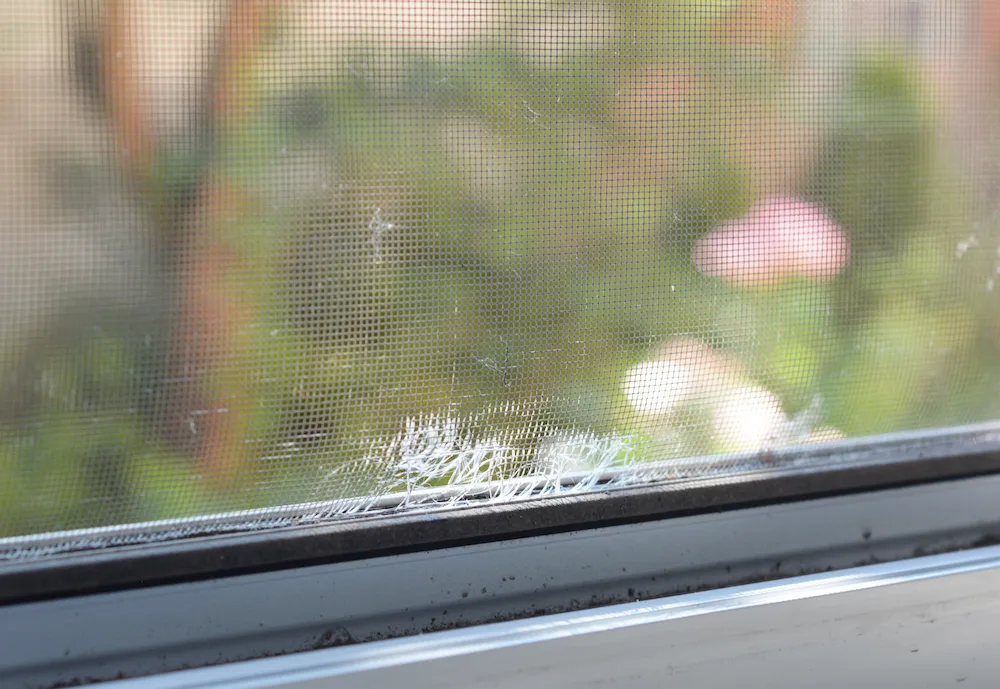
Next, focus on exclusion. Mice can squeeze through surprisingly small gaps, and rats can exploit weak spots around garage doors, rooflines, and utility penetrations. Check weather stripping, repair torn screens, and seal gaps around pipes and vents. If you are not sure where the weak spots are, a professional inspection can save you a lot of trial and error.
Finally, if you find droppings, shredded nesting material, or repeated activity, avoid over-handling the mess. Clean carefully, then address the root cause so you are not stuck in a loop of cleanup. A treatment plan that includes trapping, exclusion, and monitoring is usually the fastest way to restore peace of mind.
Final thoughts on How Rodents spread diseases
Rodents spread disease through contamination, airborne dust, and the parasites they carry. The good news is that most risk is preventable when you act early, clean safely, and remove the conditions that attract rodents in the first place. If they don’t have easy access to food and shelter, rodents won’t have nearly as many attractants to choose from.
If you are hearing movement in the attic, spotting droppings, or noticing chewed packaging, it is time to take it seriously. Reach out to Green Mango for an inspection and a plan that fits your property, so you can get back to feeling comfortable at home.
Citations
Controlling wild rodent infestations. (2024, April 8). CDC. Retrieved January 8, 2026, from https://www.cdc.gov/healthy-pets/rodent-control/index.html